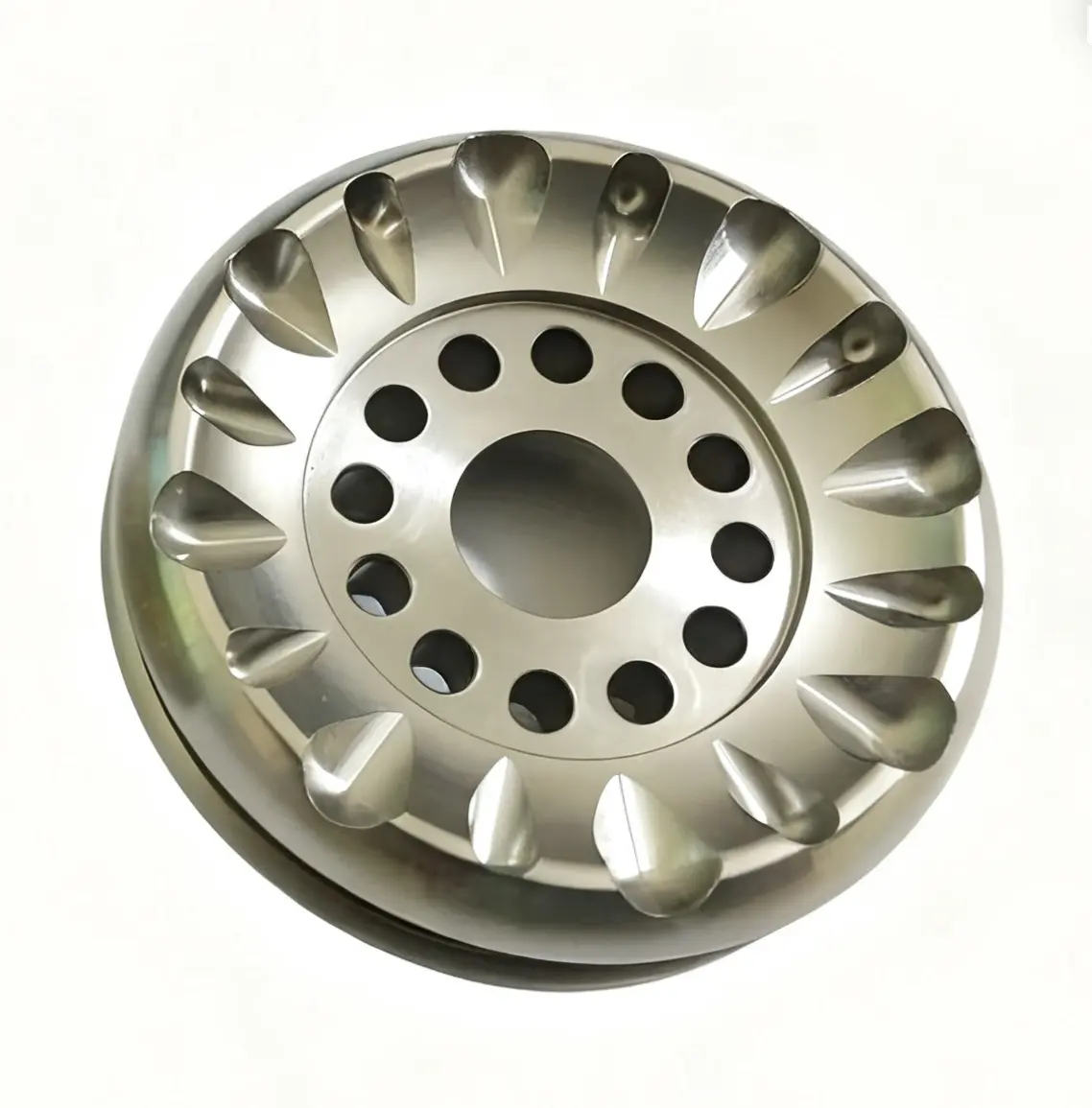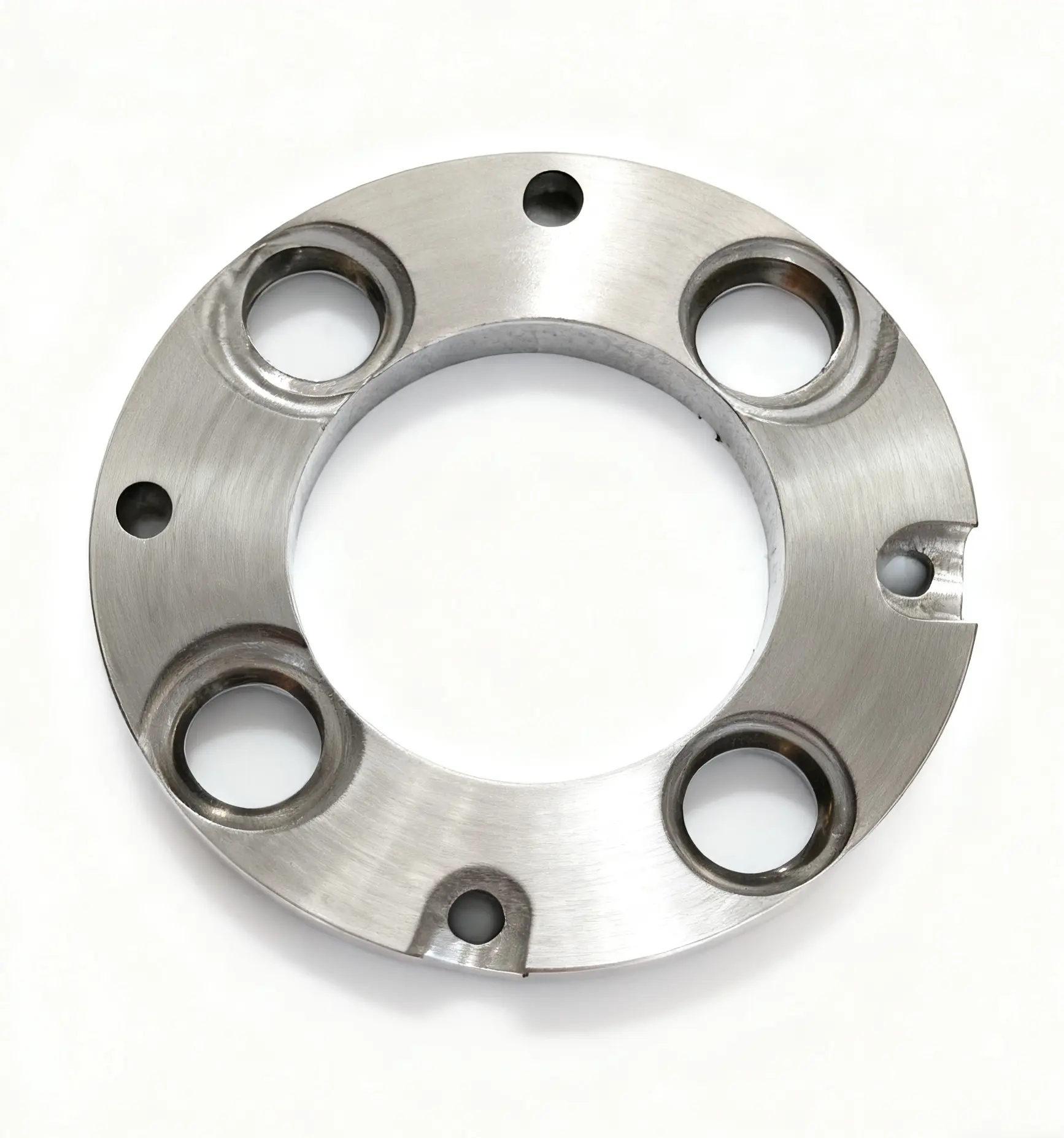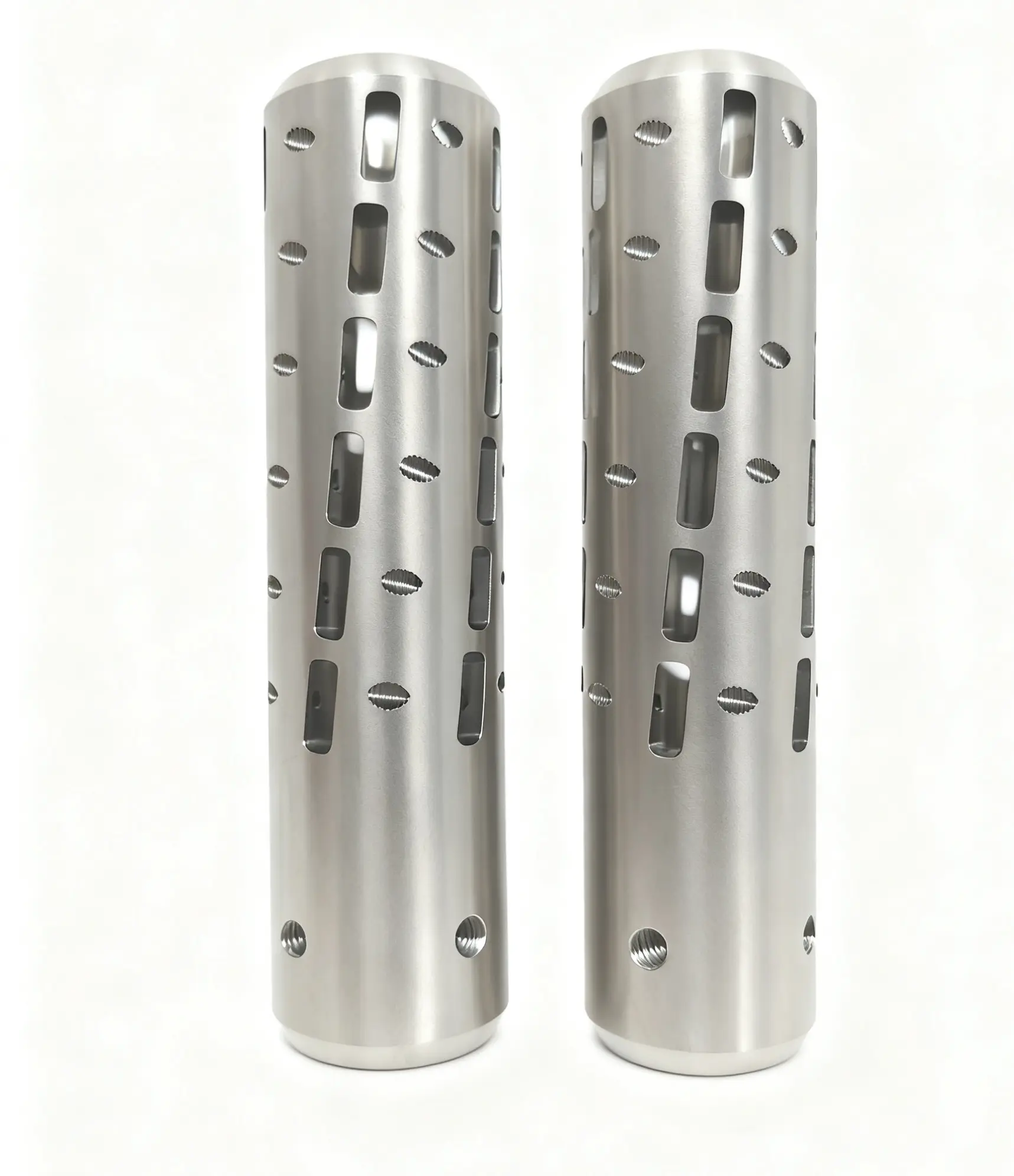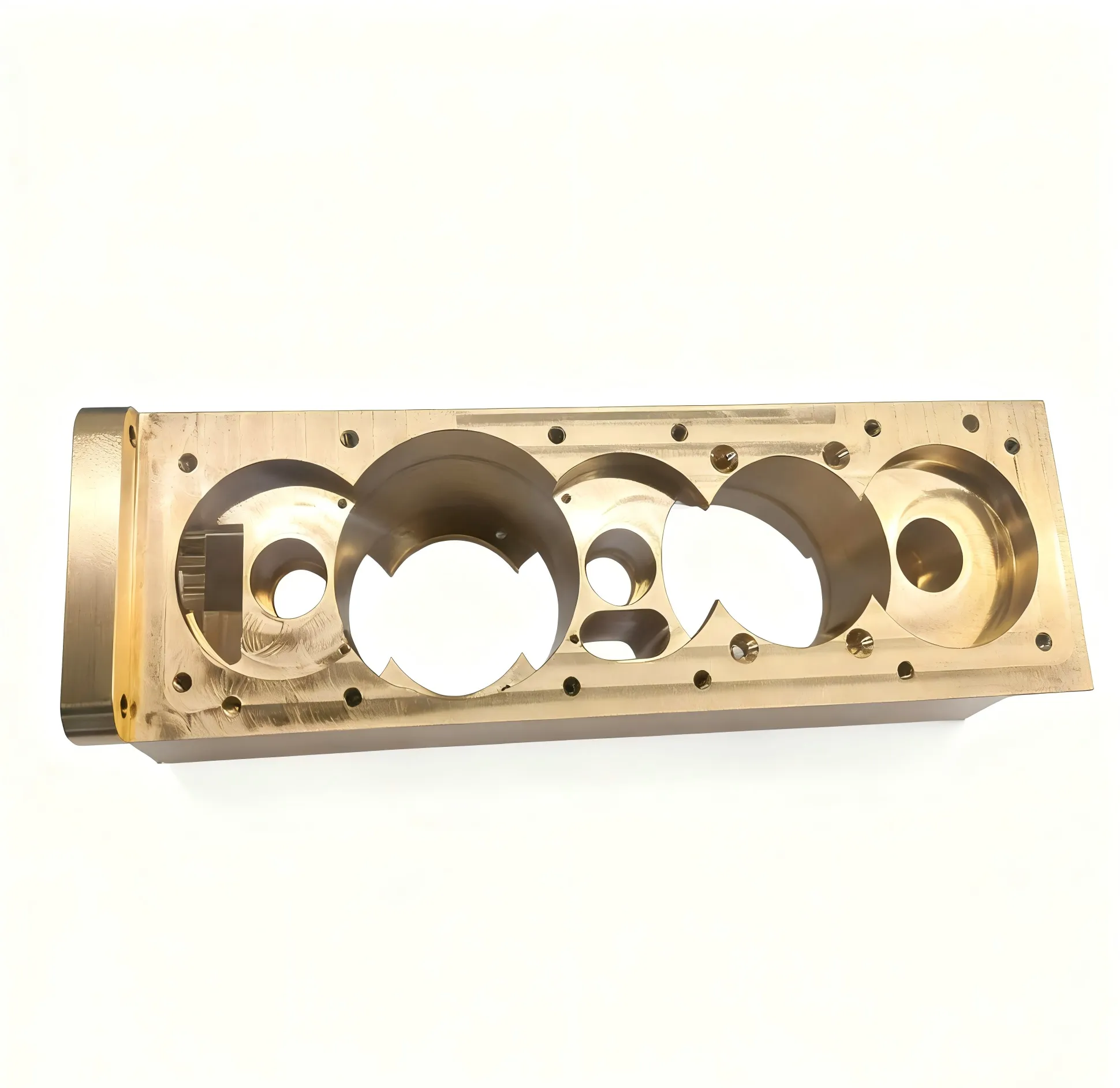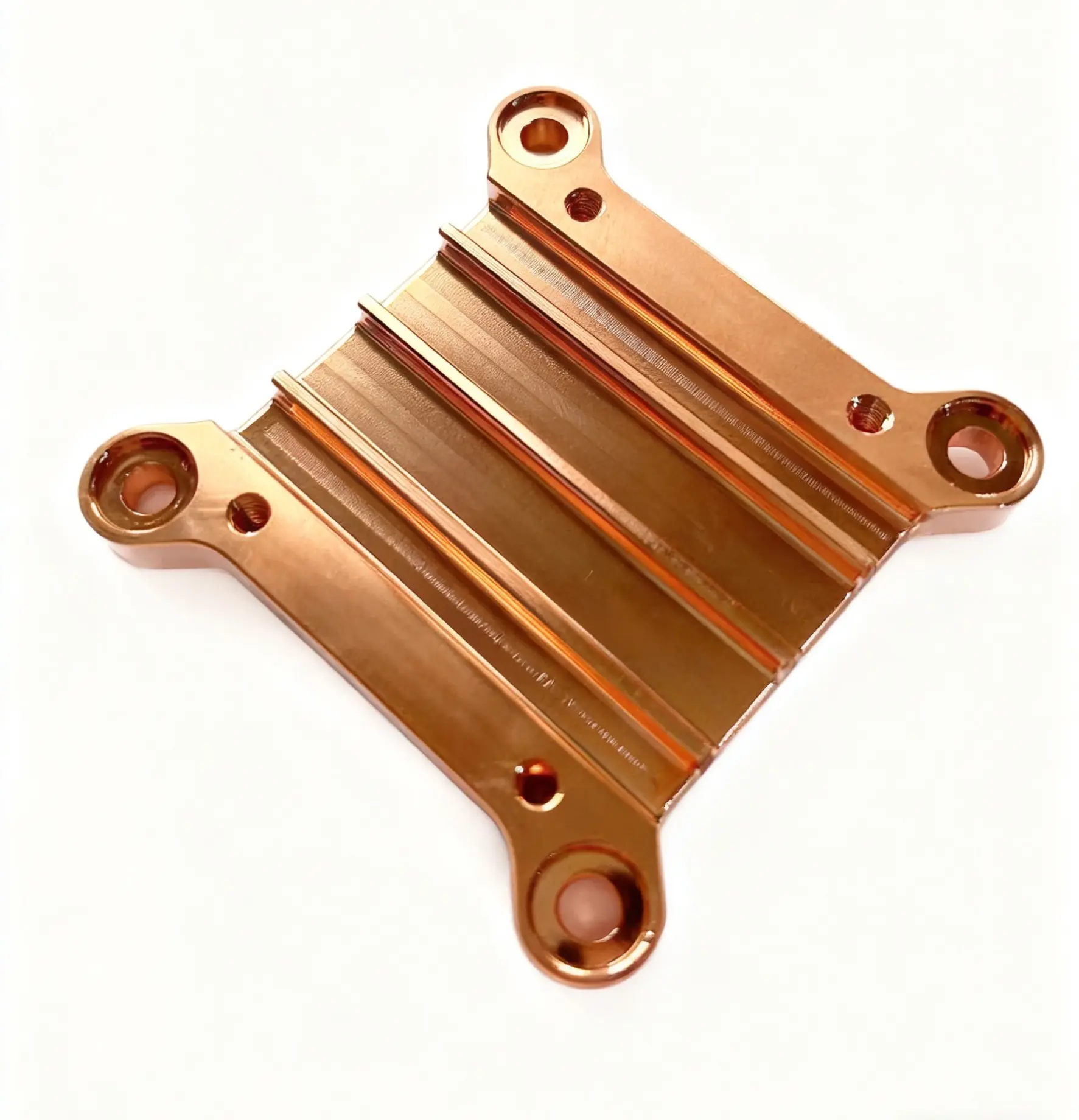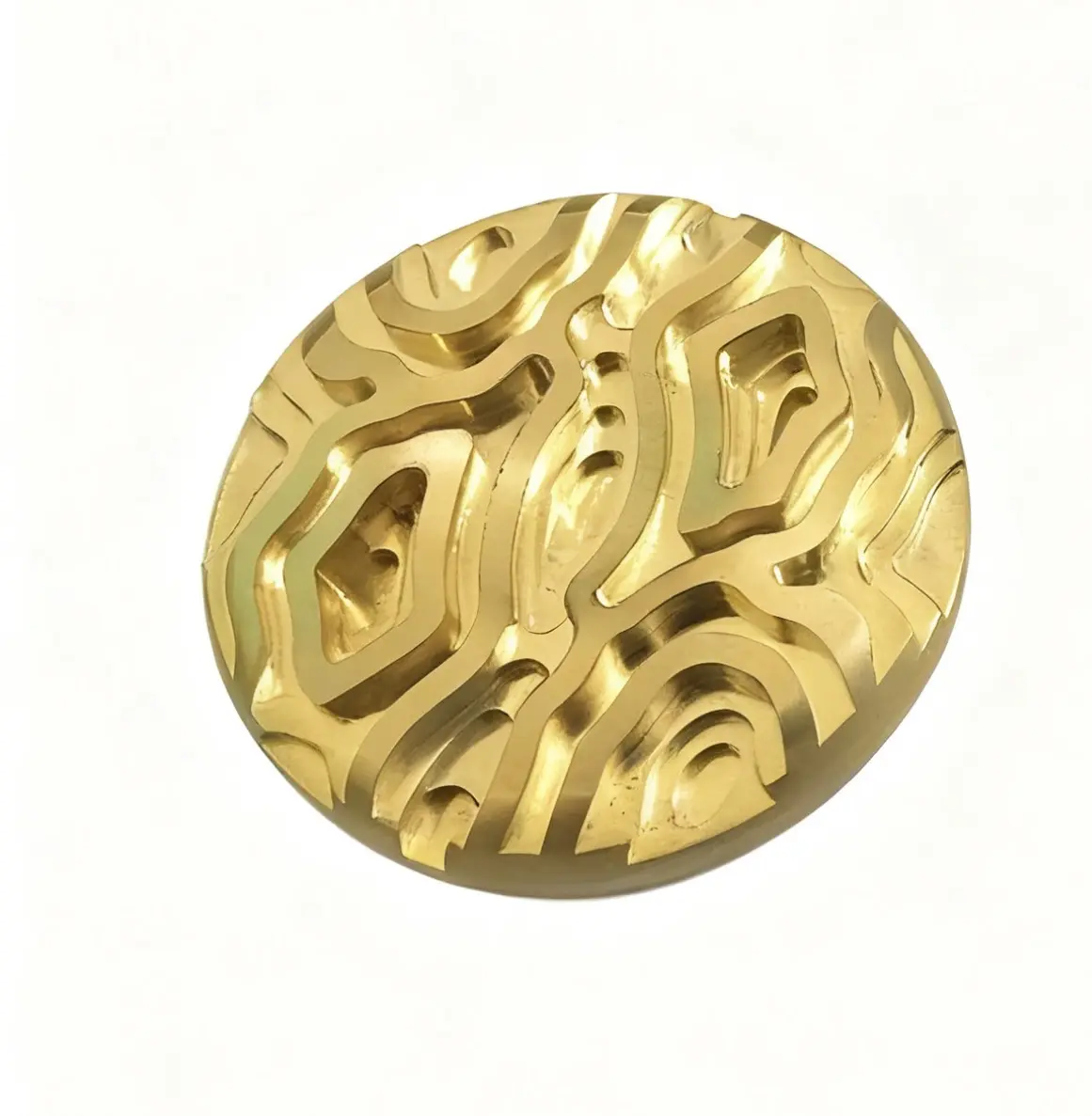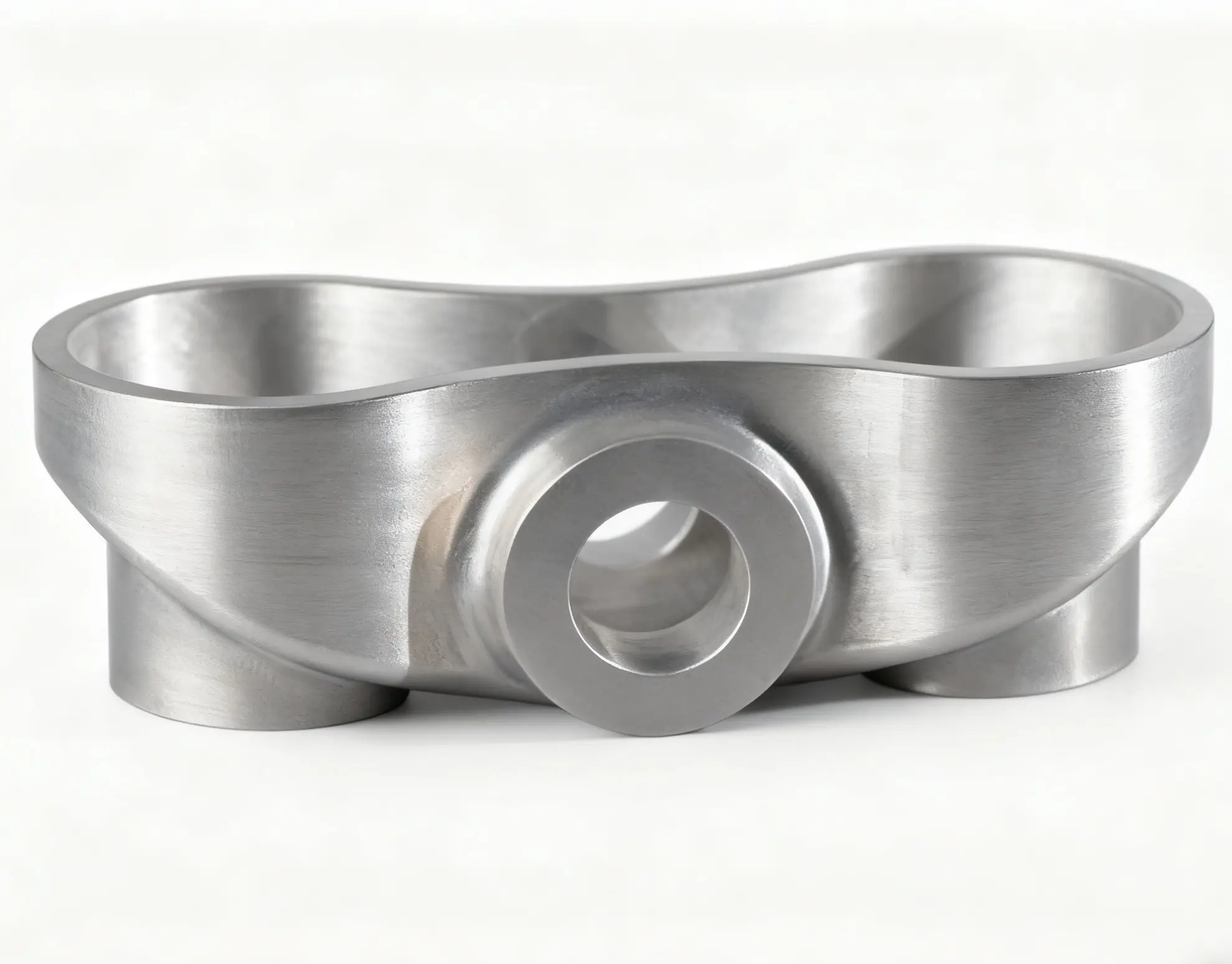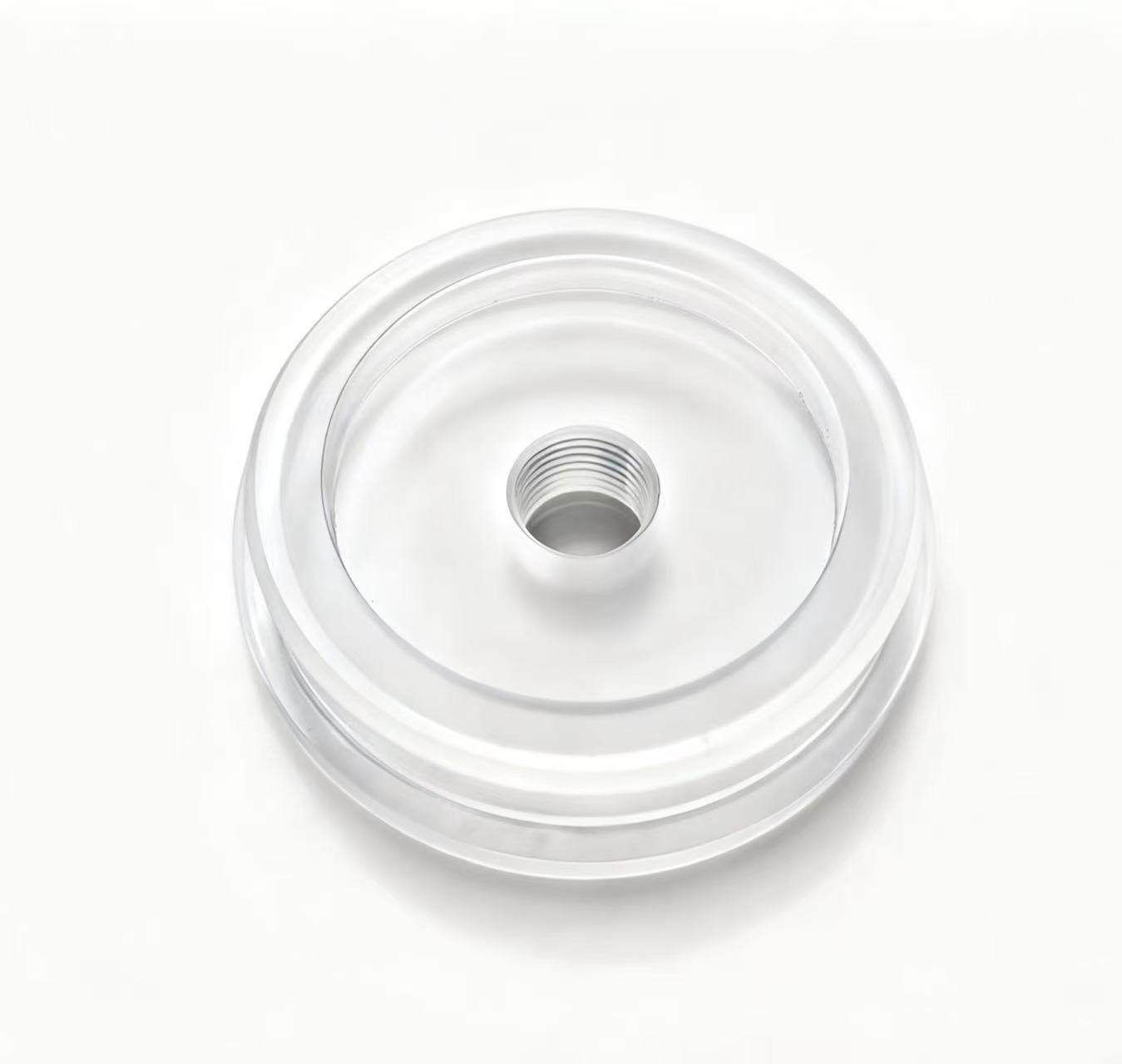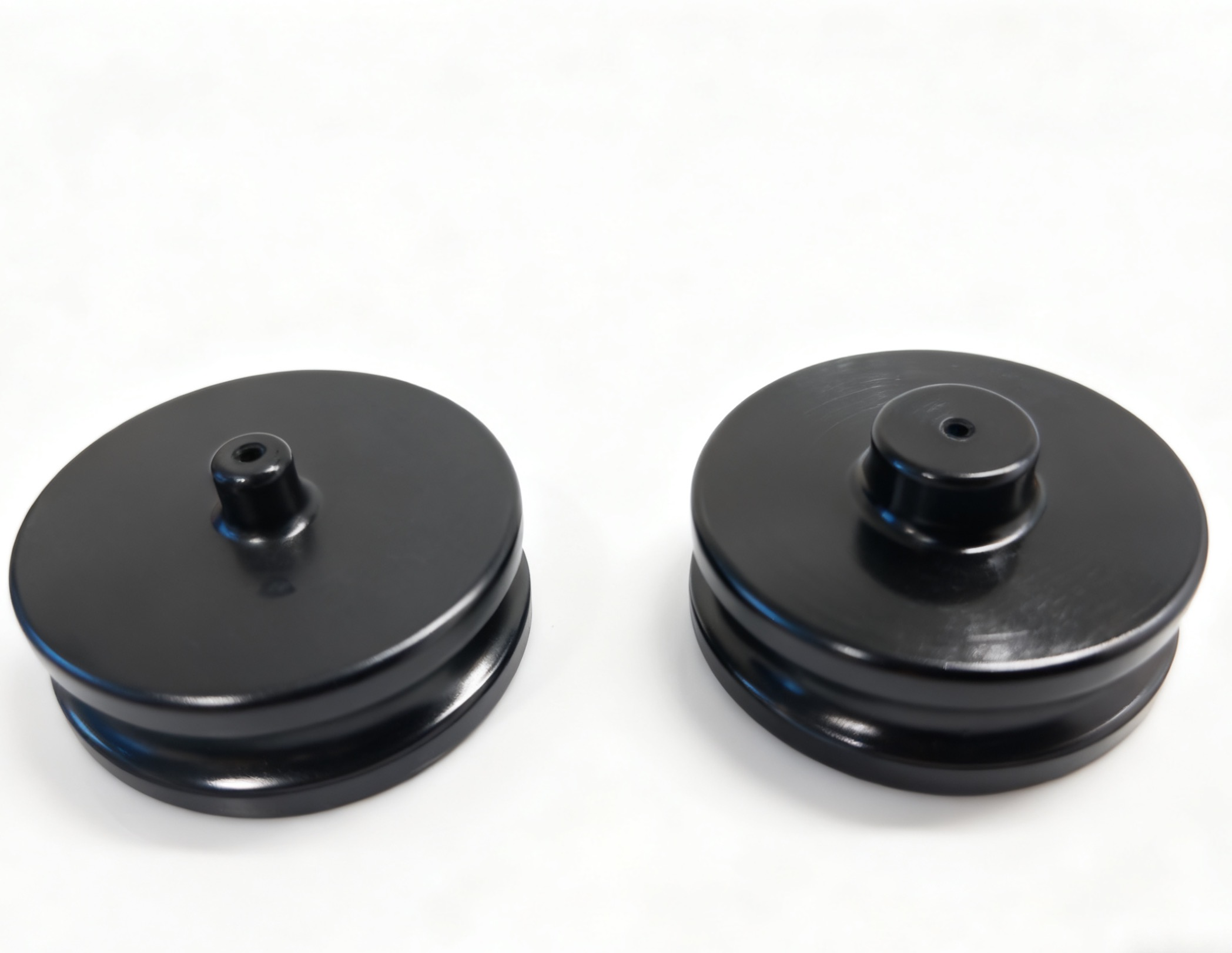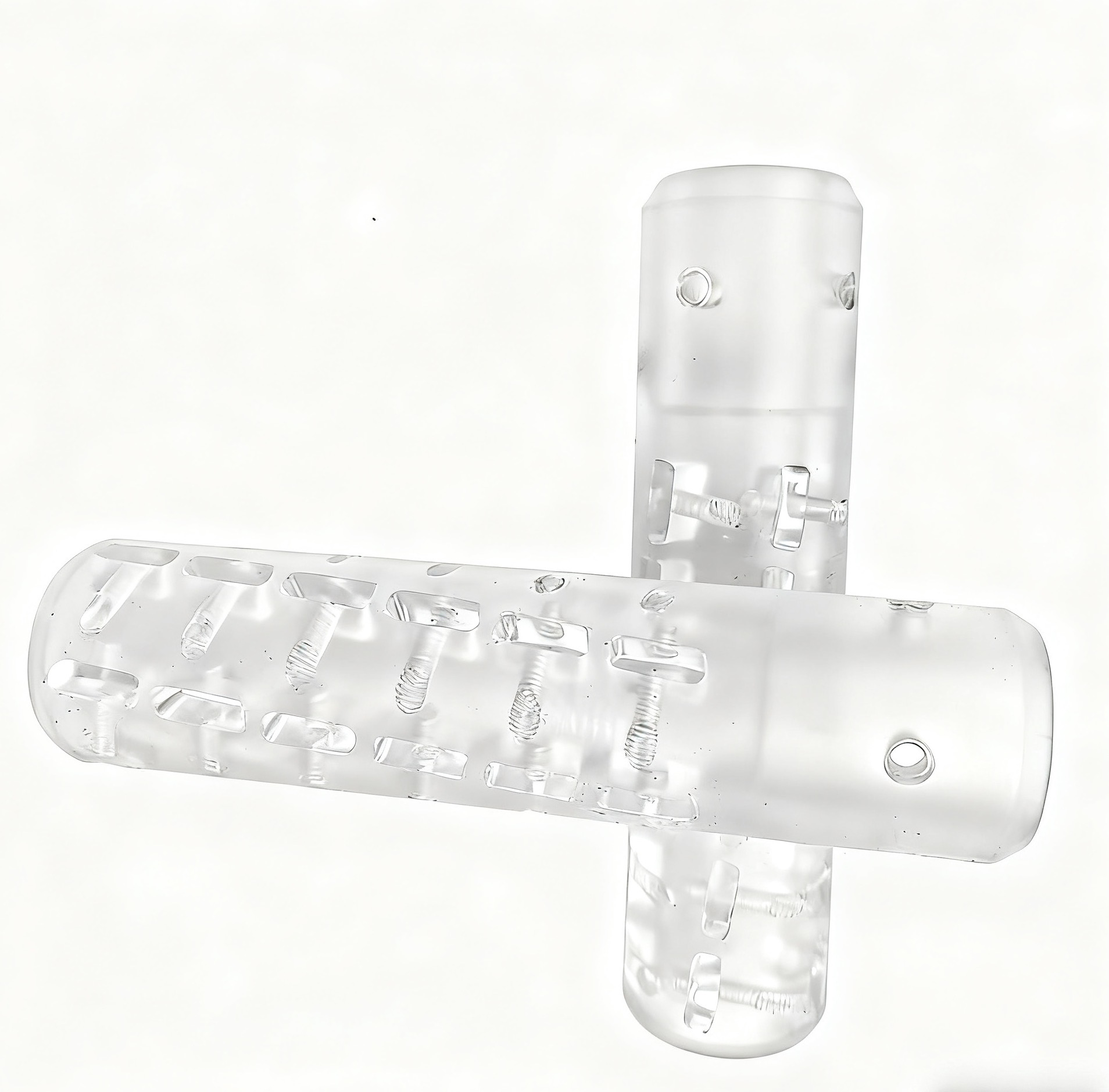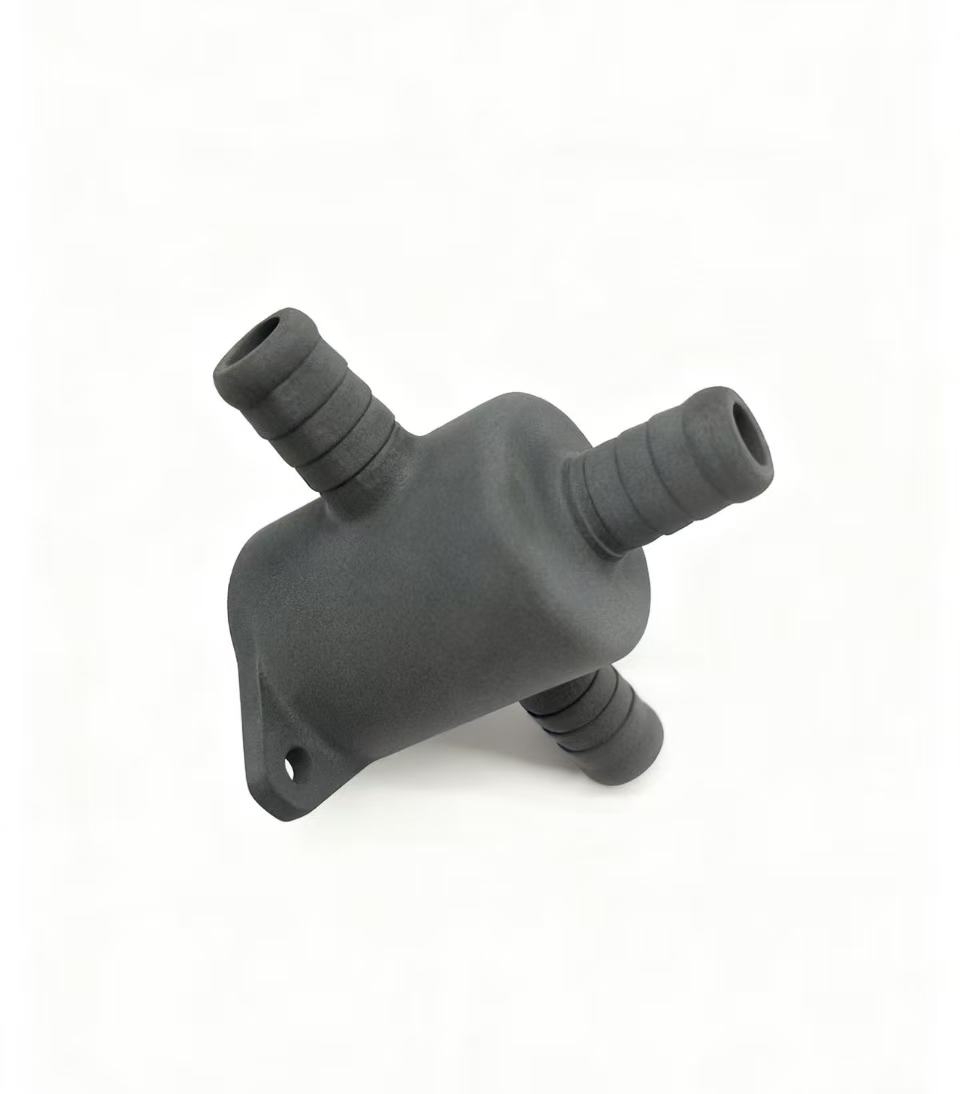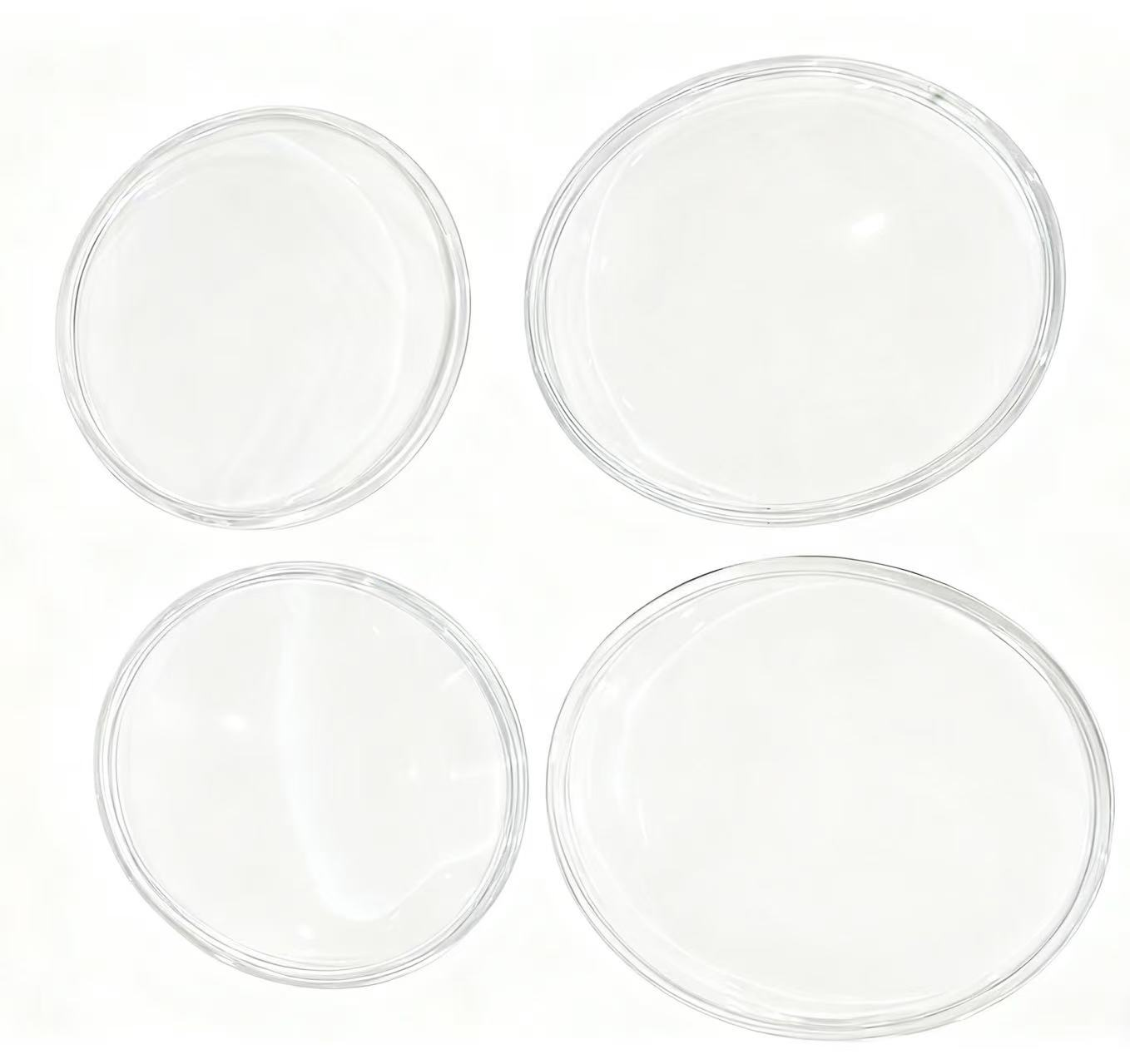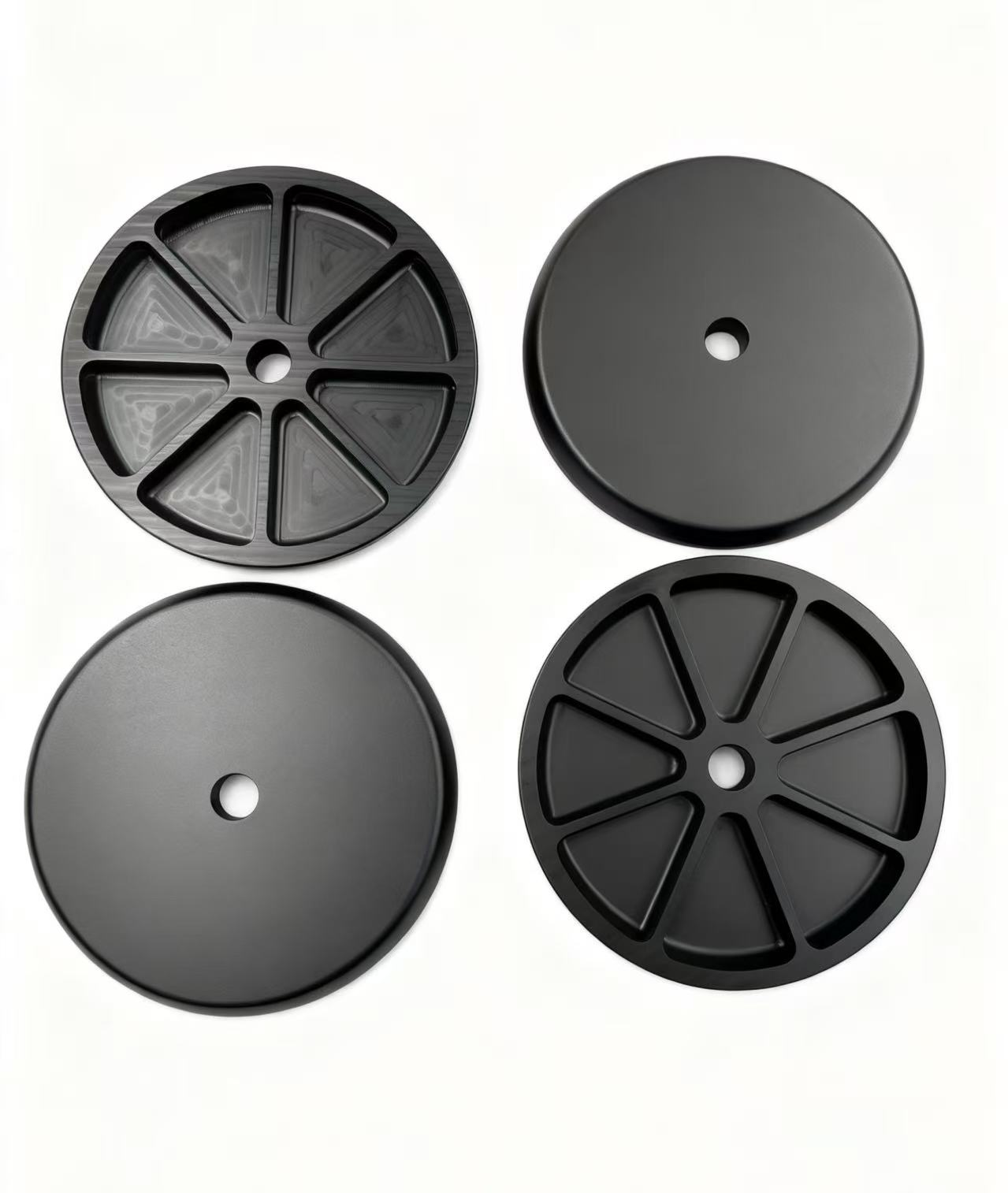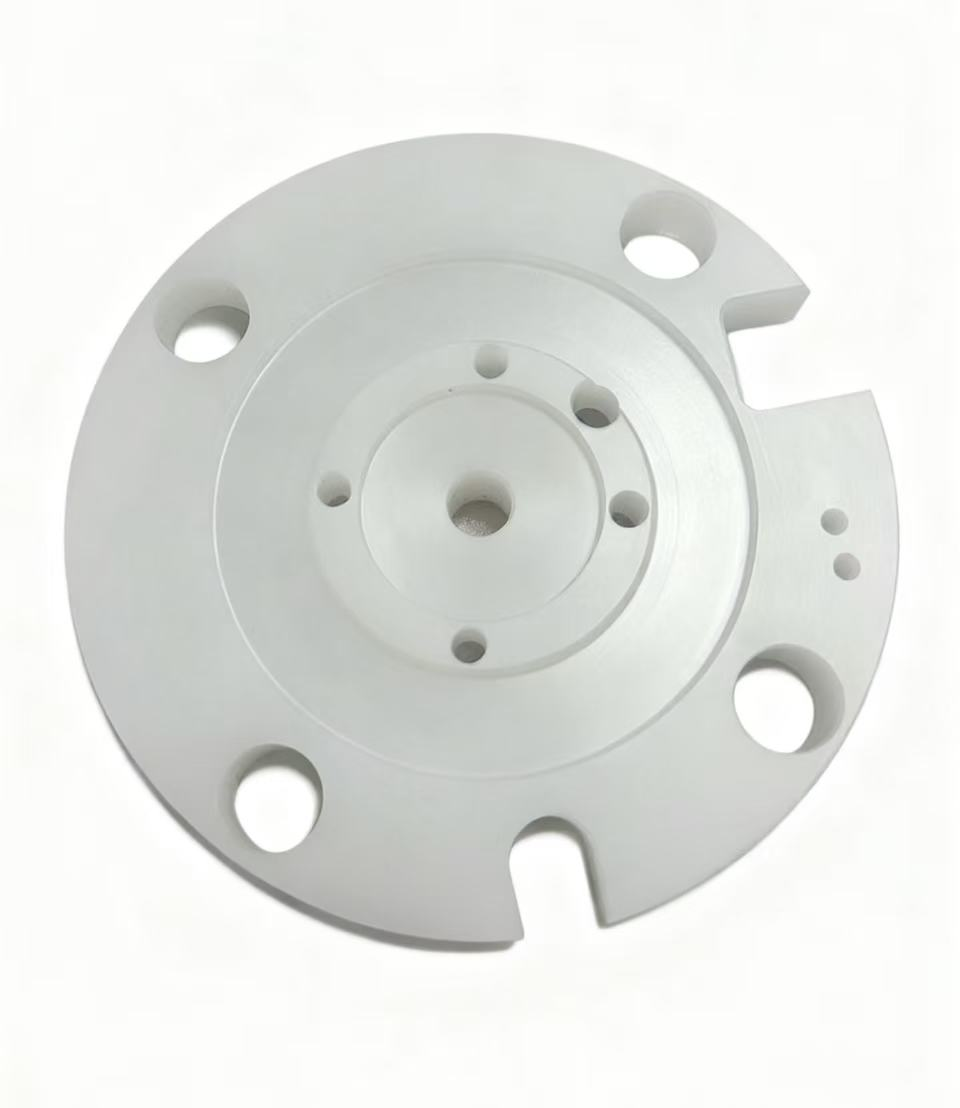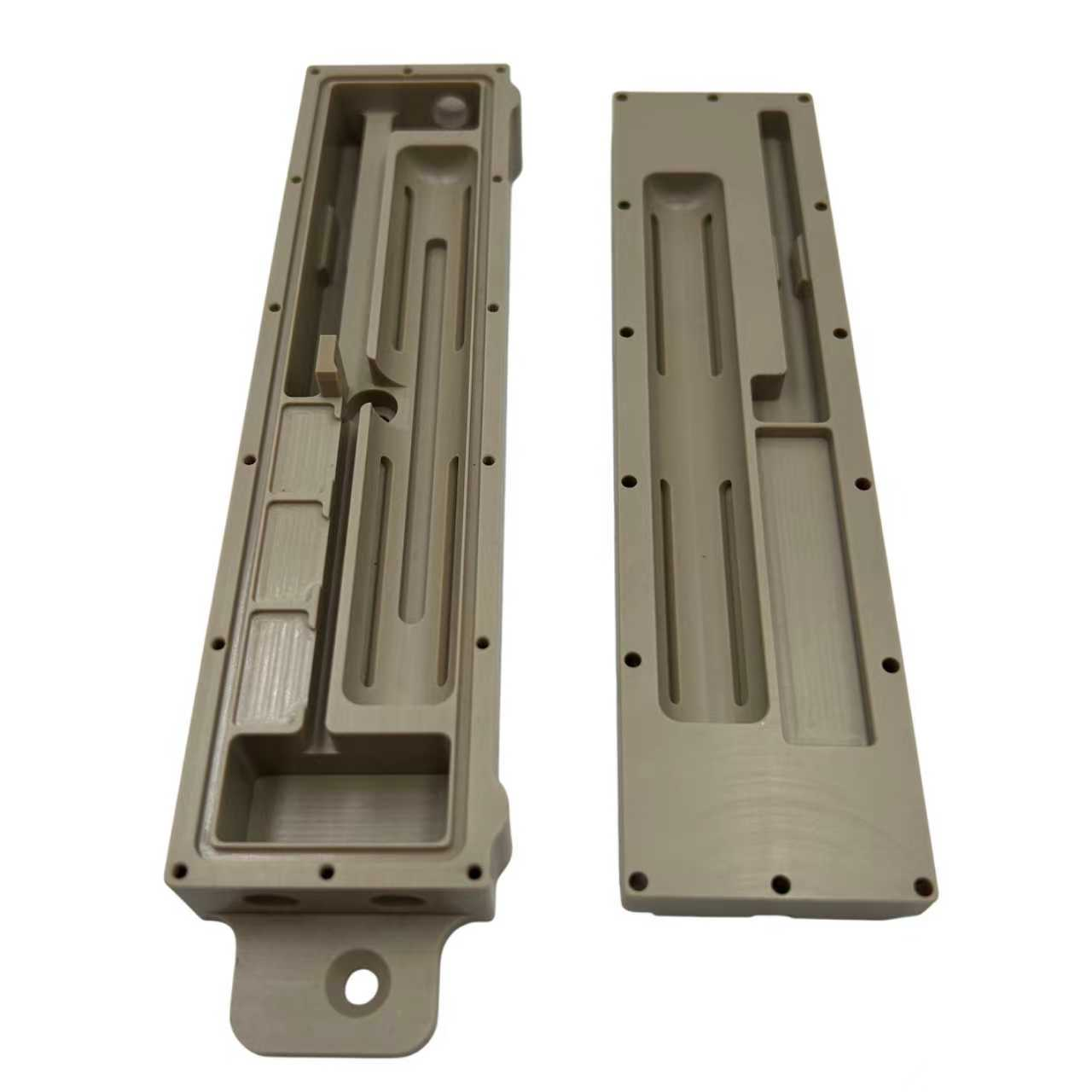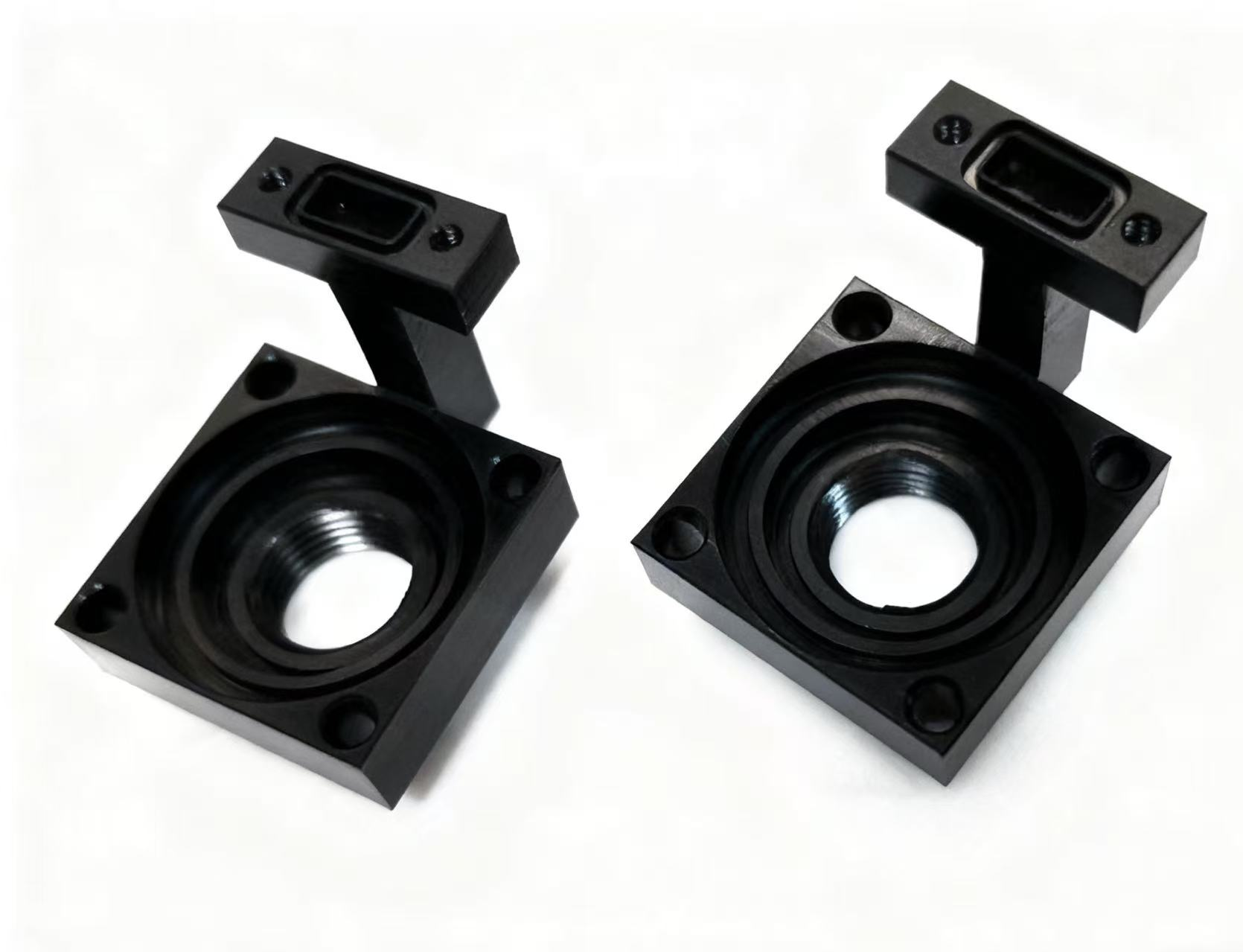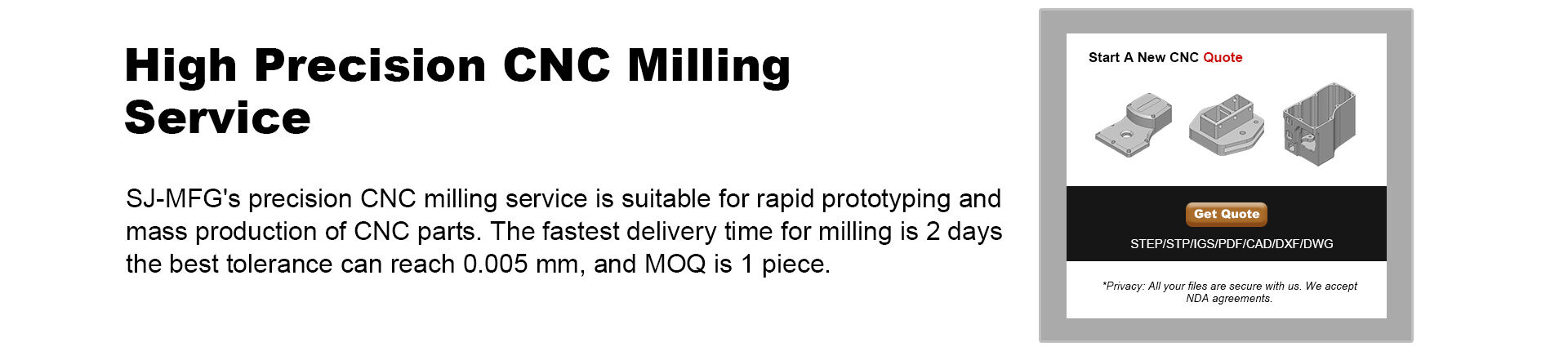
CNC milling (Computer Numerical Control Milling) is a subtractive manufacturing process that uses a rotating tool controlled by a computer to create precise parts. It can process materials such as metal and plastic and is widely used in fields like aerospace, medical devices, and molds, among others. It is renowned for its high precision, high efficiency, and customizability. High degree of automation, high precision, suitable for complex parts and mass production.
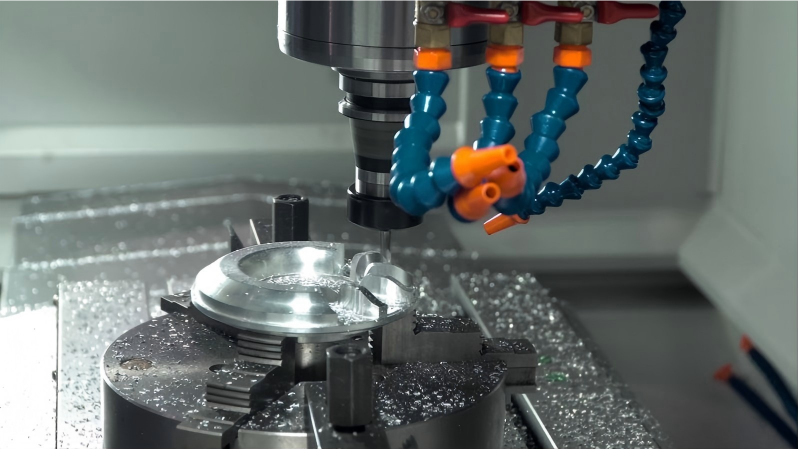
• Working principle design: Use CAD software to create a 2D or 3D digital model of the workpiece.
• Programming: Use CAM software to convert the CAD model into G-code (tool path instructions) that the machine can understand.
• Setup: Fix the raw material on the machine tool worktable and install the appropriate tool.
• Processing: The servo motor of the CNC machine tool controls the relative movement of the tool and the workpiece according to the program. The tool rotates at high speed and cuts the material along the predetermined trajectory, removing the excess part, and finally forming the shape.

Ranging from the basic 3-axis to the more complex 4-axis, as well as the even more advanced 5-axis processing, we offer our customers comprehensive CNC milling processing services.
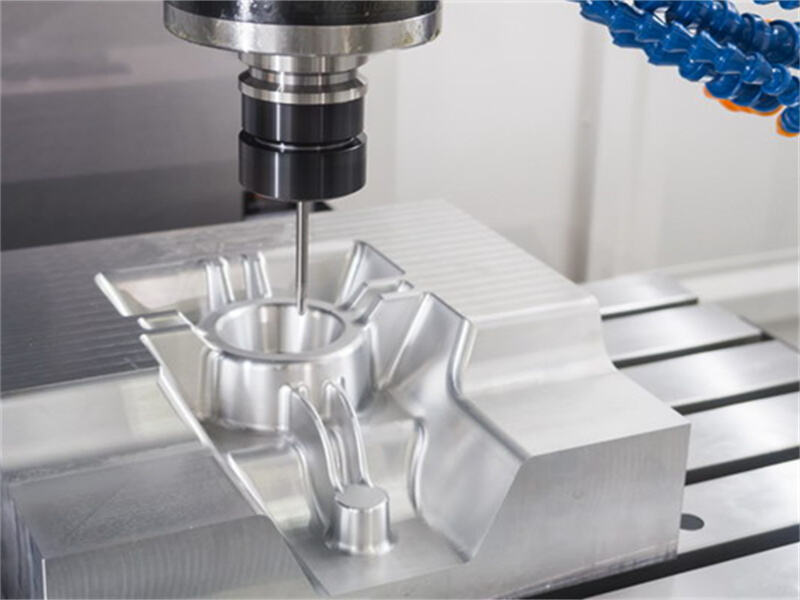
3-axis CNC milling is the most basic and widely used form of CNC machining. It is operated by moving the tool along the three vertical axes (X, Y, and Z).
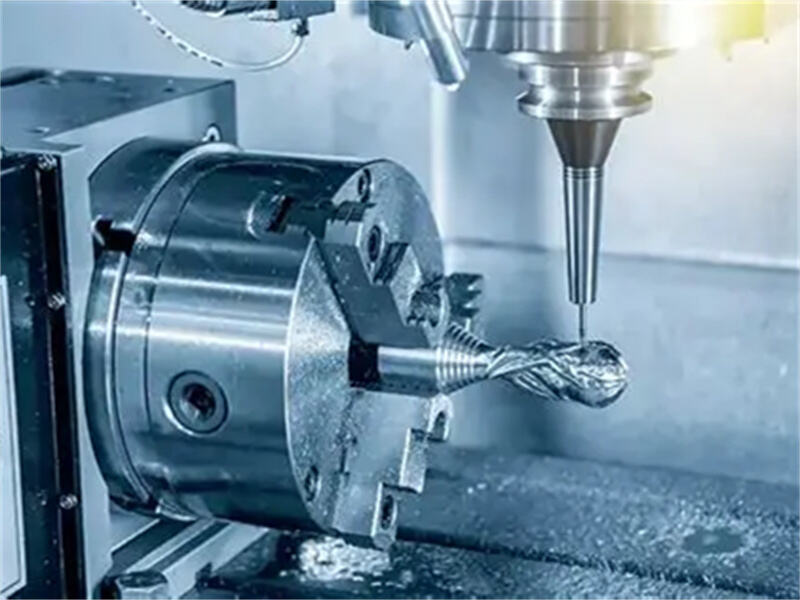
4-axis milling is a technique that builds upon three-axis milling by adding the A-axis (rotation around the X-axis) to achieve more complex processing.
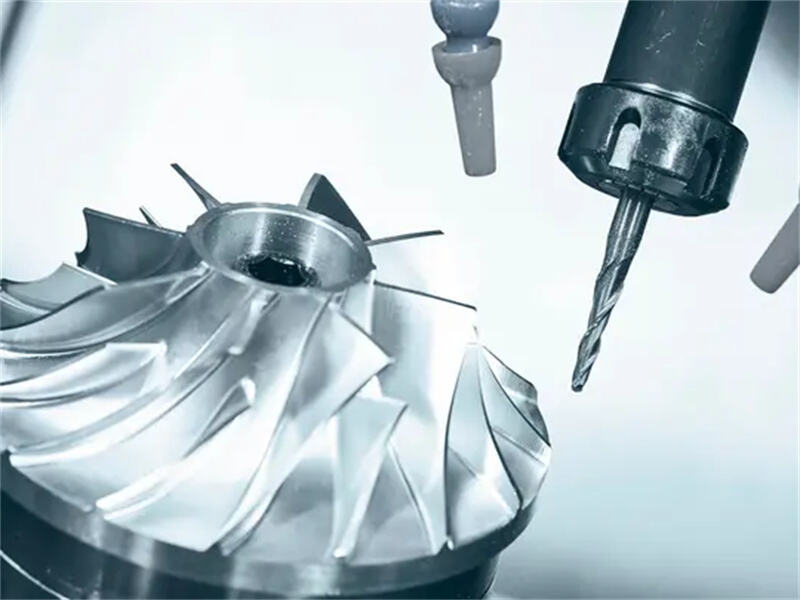
5-axis machining is achieved through the coordinated operation of the three linear axes (X, Y, Z) and two rotational axes, it is suitable for processing complex curved surface parts.
Low density, light weight, high strength, good electrical and thermal conductivity, excellent corrosion resistance, good appearance, and easy for CNC machining.
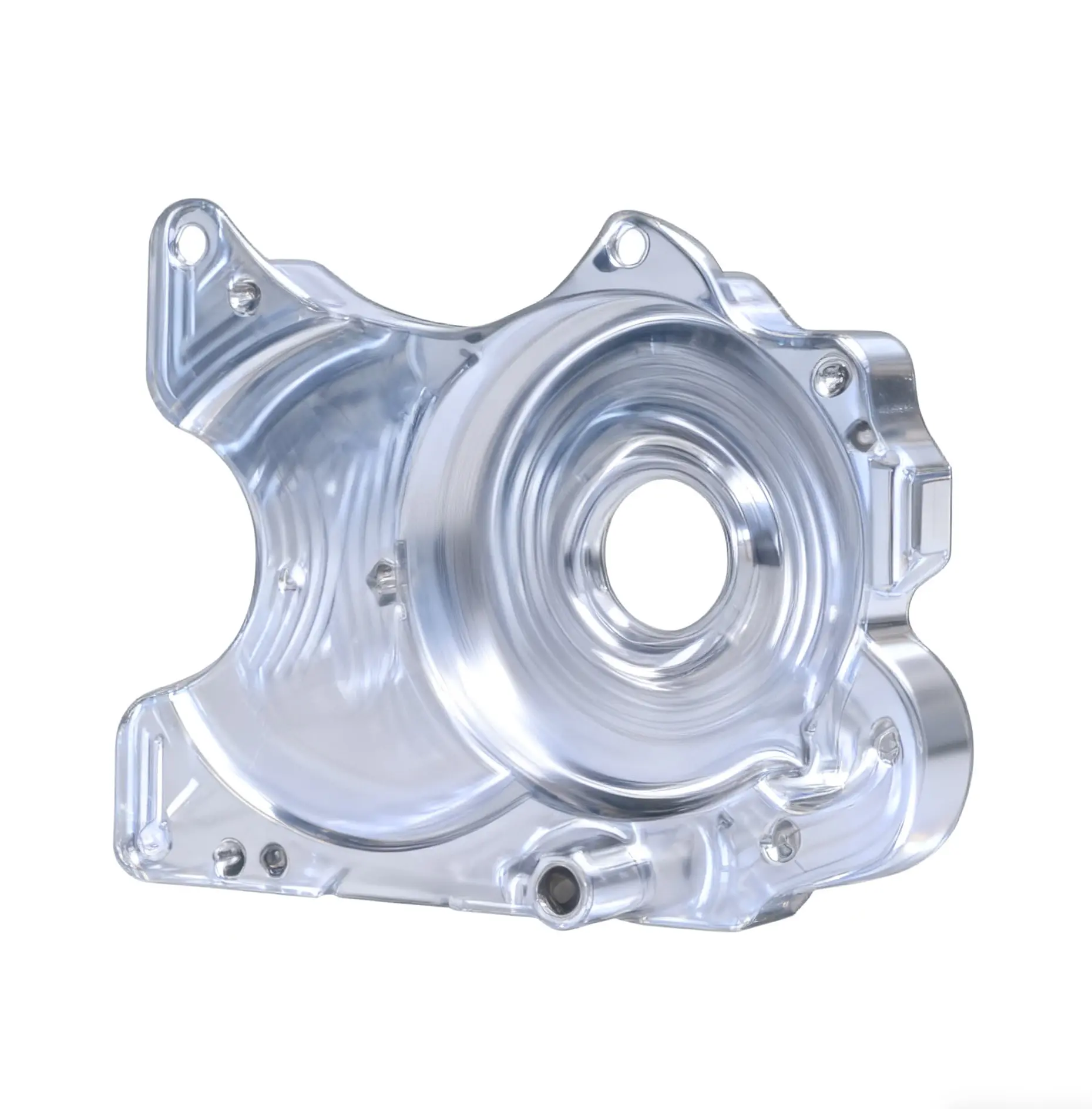
Easy to process and shape, good stability, resistant to chemical corrosion, excellent surface quality, good mechanical properties, resistant to impact and external forces
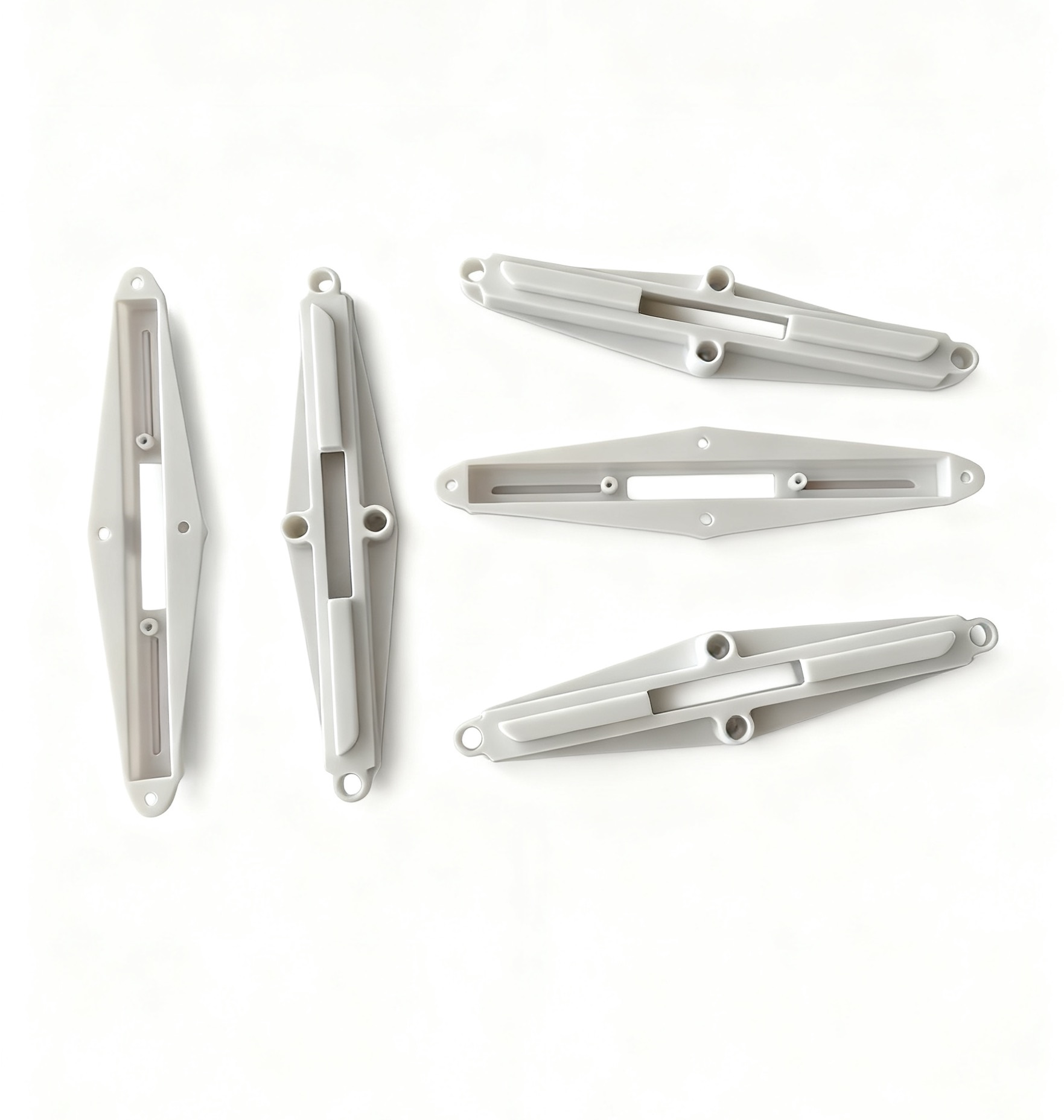
SJ-MFG offers a wide range of surface treatment options, which are applied to the surface treatment of 5 axis CNC parts. The main purpose is to meet specific functional requirements, enhance the appearance color, and improve the chemical and corrosion resistance of the part surface.
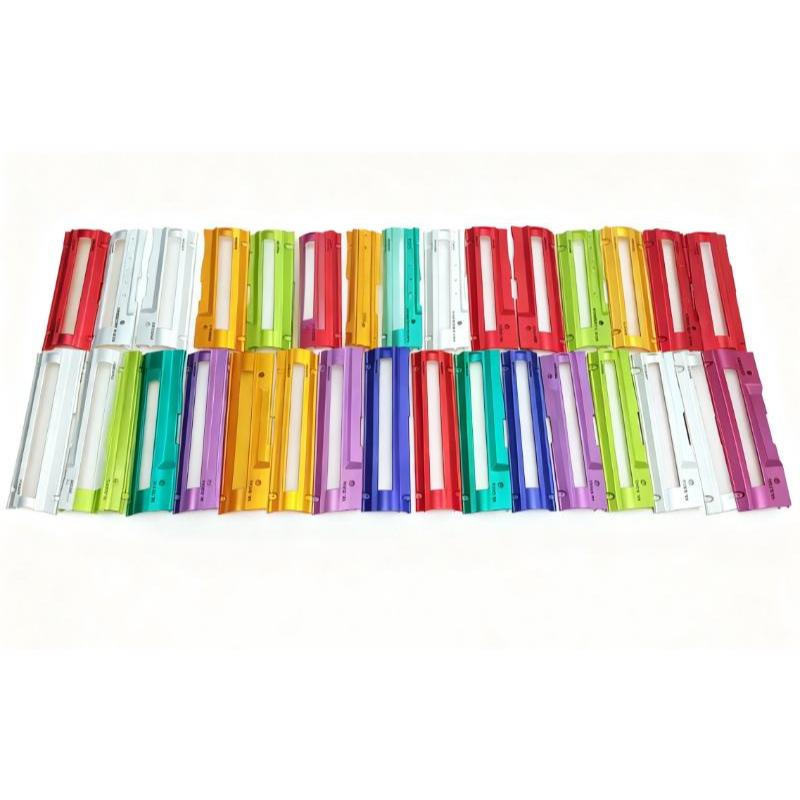
A protective oxide layer is formed on the surface of metal products, which is corrosion-resistant, wear-resistant, has a variety of colors and a beautiful appearance. It is most commonly used for aluminum alloy materials.
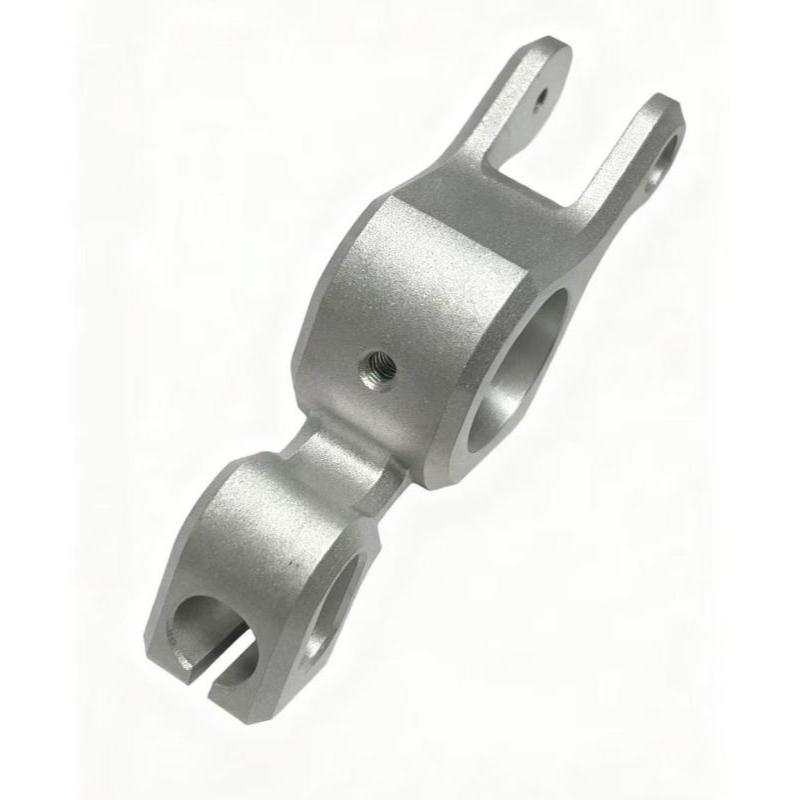
Using the impact effect of high-speed sand flow to clean and roughen the surface of the parts, a certain degree of cleanliness and different roughness can be achieved, and is applicable to both metal and plastic materials.
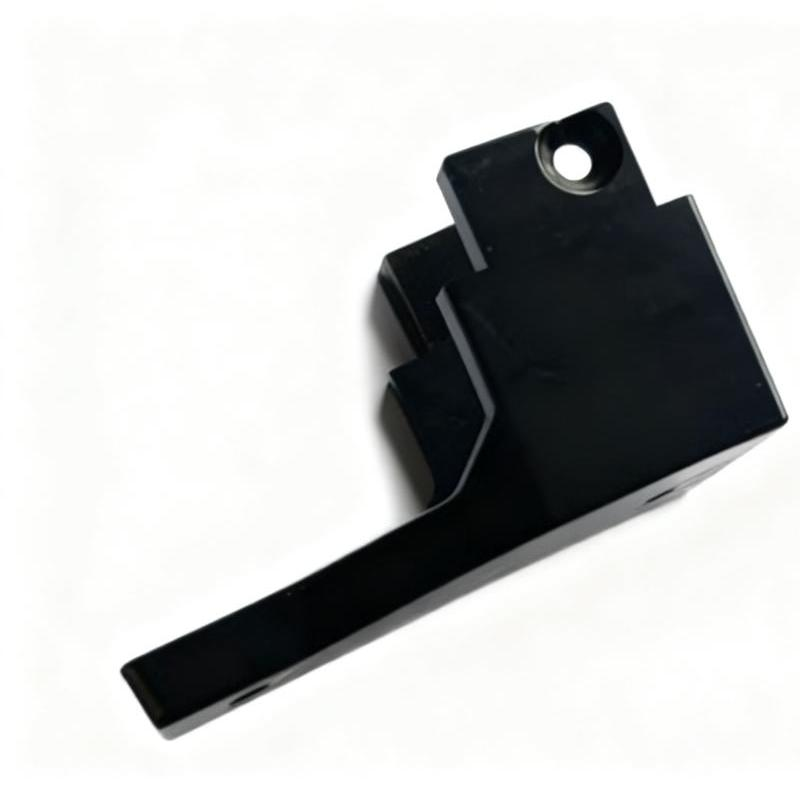
Heated in a high-concentration chemical solution, it forms a dense protective film, which is used to enhance the corrosion resistance, improve the appearance and minimize light reflection. It is commonly used for steel and stainless steel materials.
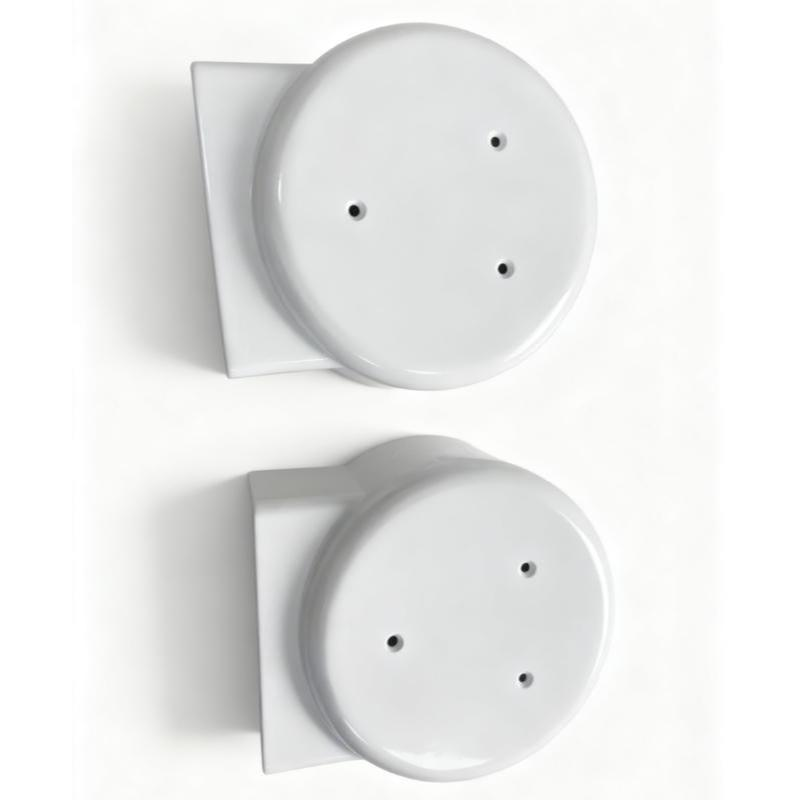
Enable the powder paint to adhere to the parts, forming a hard coating film on the surface. The coating thickness is uniform and it is wear-resistant. It is commonly used for metal parts.
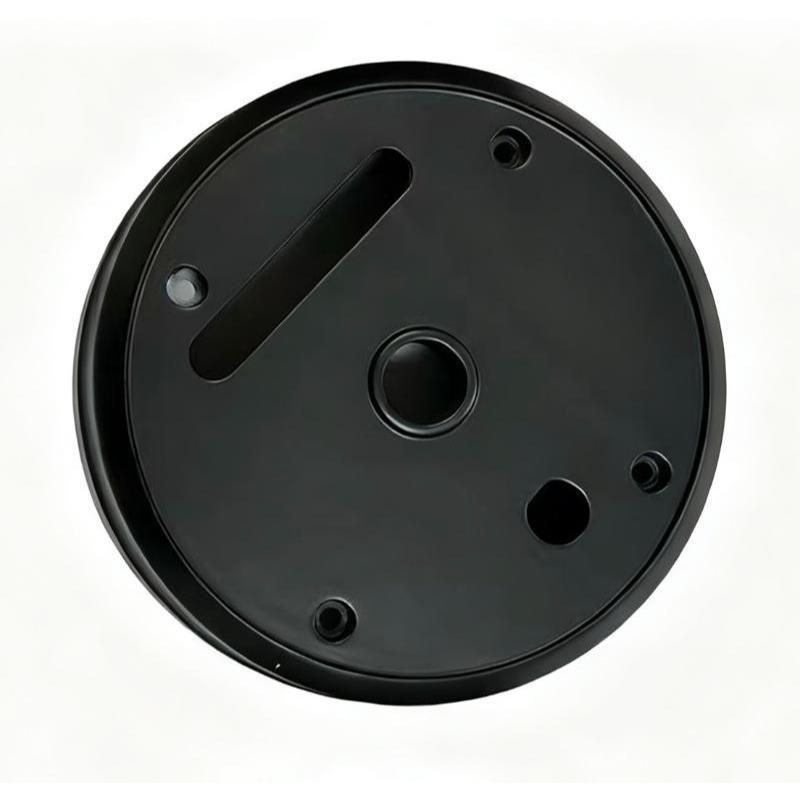
Liquid paint is sprayed onto the surface of the parts by compressed air. It is widely used for surface coating of products such as automobiles and electronics, and is applicable to both metal and plastic materials.
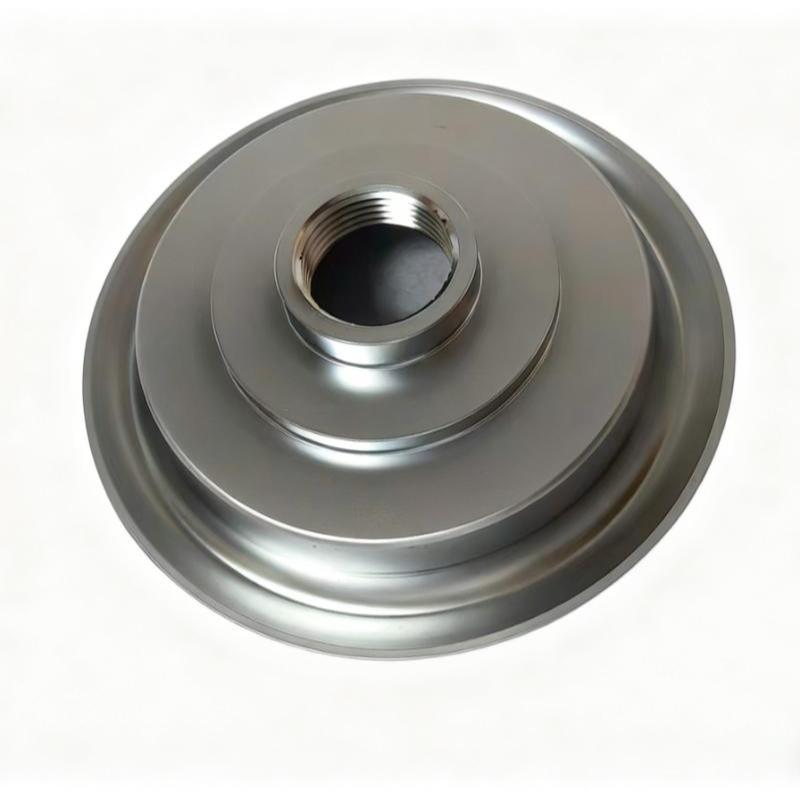
Coating a layer of another metal on the surface of the metal part, such as nickel, chrome, gold, zinc plating etc, it is corrosion-resistant, wear-resistant and has a beautiful appearance. It is suitable for metal parts.
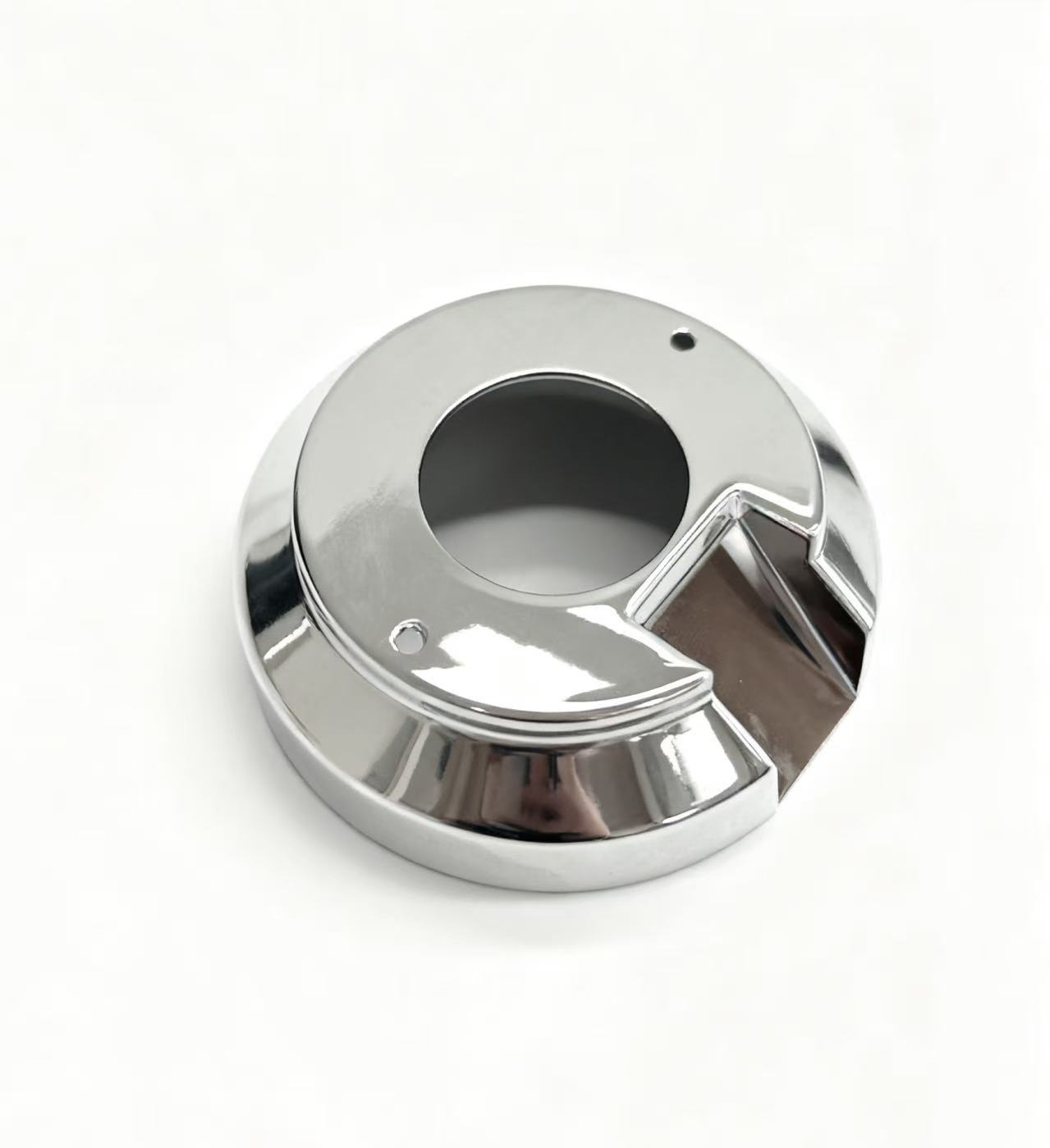
Based on the surface treatment with chemical plating solution, the parts are immersed in the plating solution to form a metal film, no need for electricity. Suitable for metals and a few plastic materials (ABS, PP, PC).
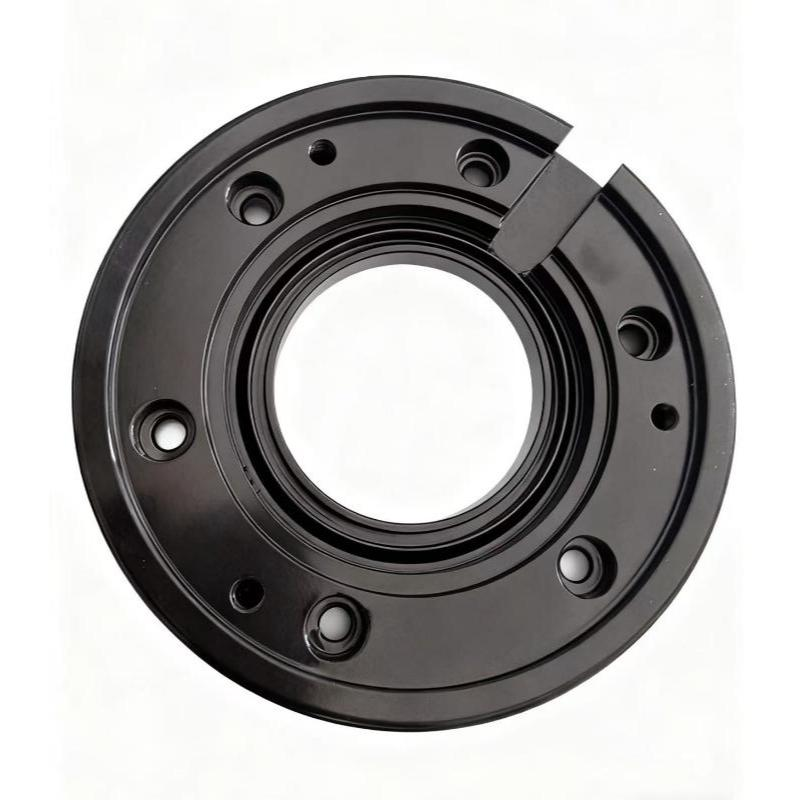
Using the charged particles in the solution to form a uniform coating on the surface of the parts. Suitable for metal parts.
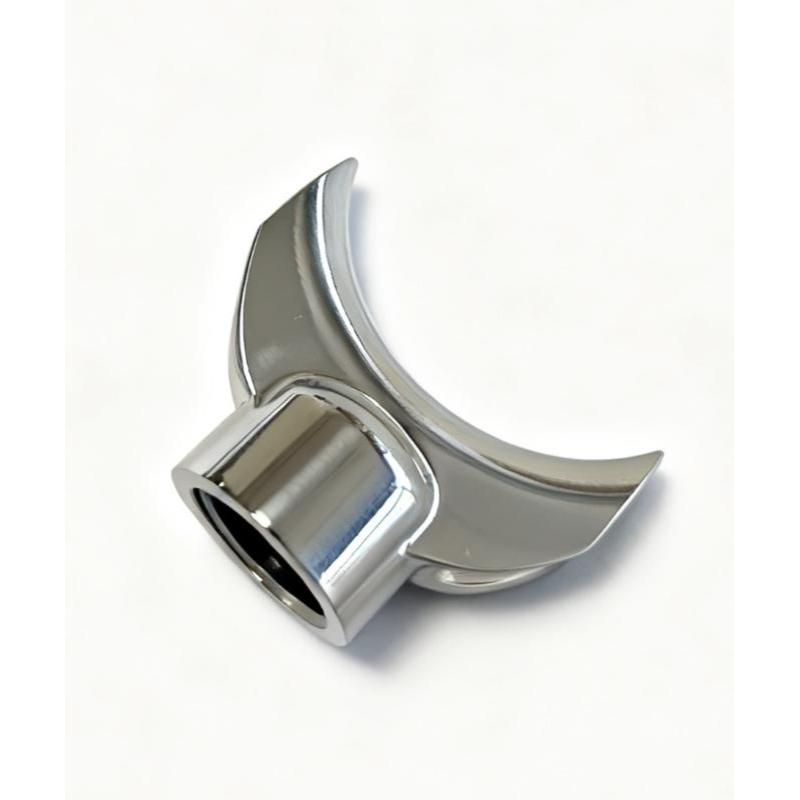
Reduce the surface roughness of the parts and achieve a shiny, smooth and mirror-like surface effect. Applicable to metal parts and plastic parts.
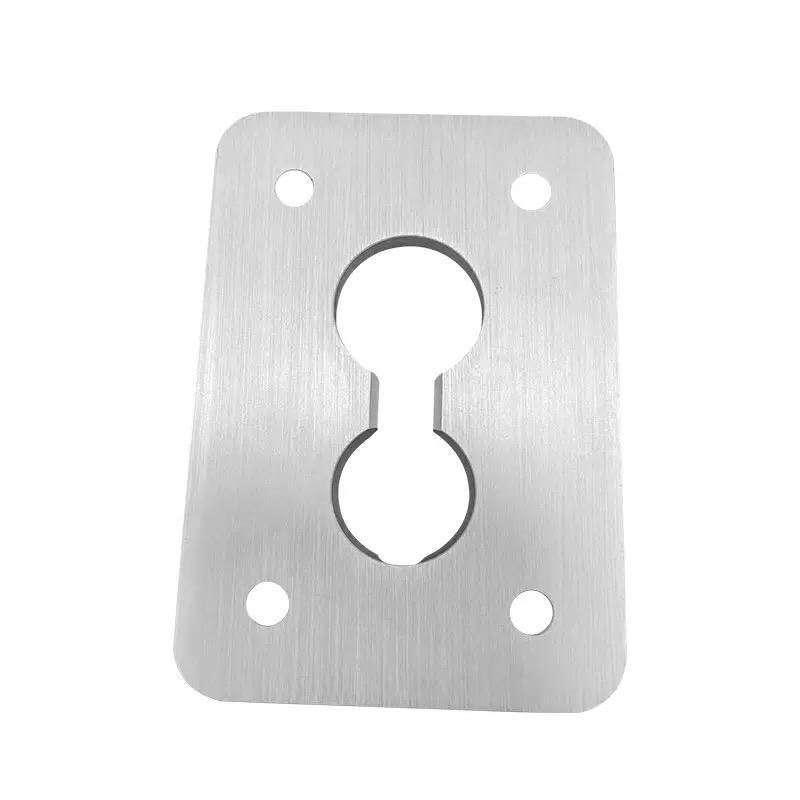
By grinding the surface of the parts to create lines, a fine and lustrous effect is achieved. Applicable to metal parts.
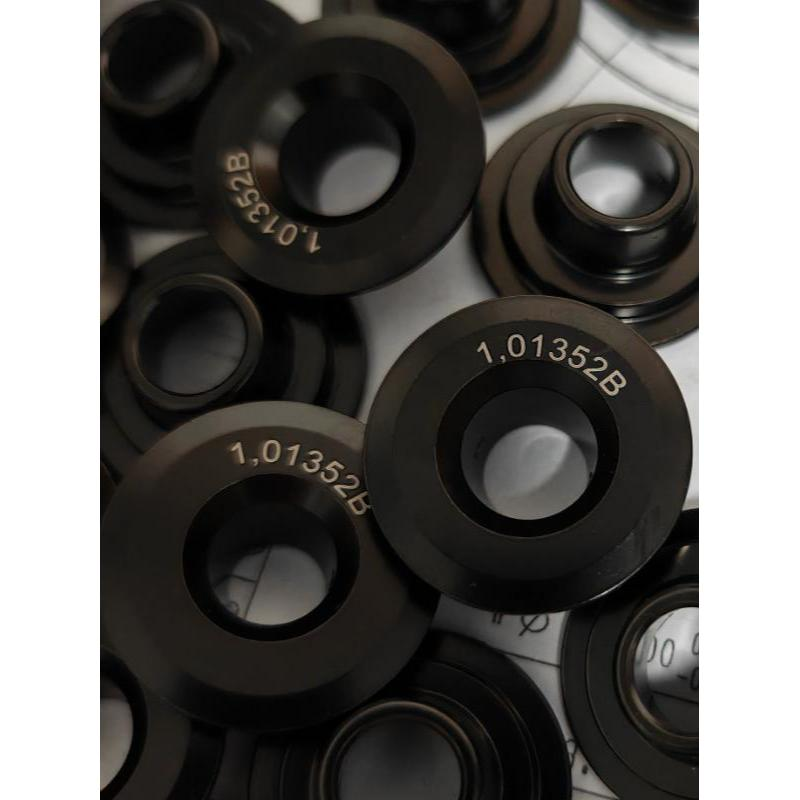
Using high-energy-density lasers to irradiate specific areas of the parts, special marks are left. Applicable to metal and plastic parts
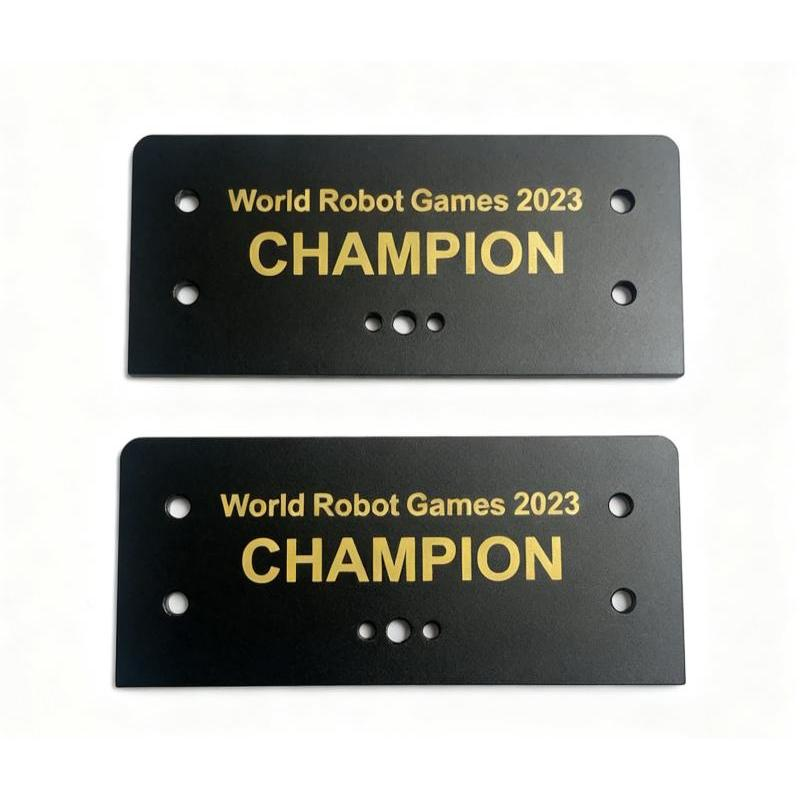
Press the screen-printed plates with graphics and text onto the surface of the parts, and offer a wide range of color options. Suitable for metal and plastic parts.
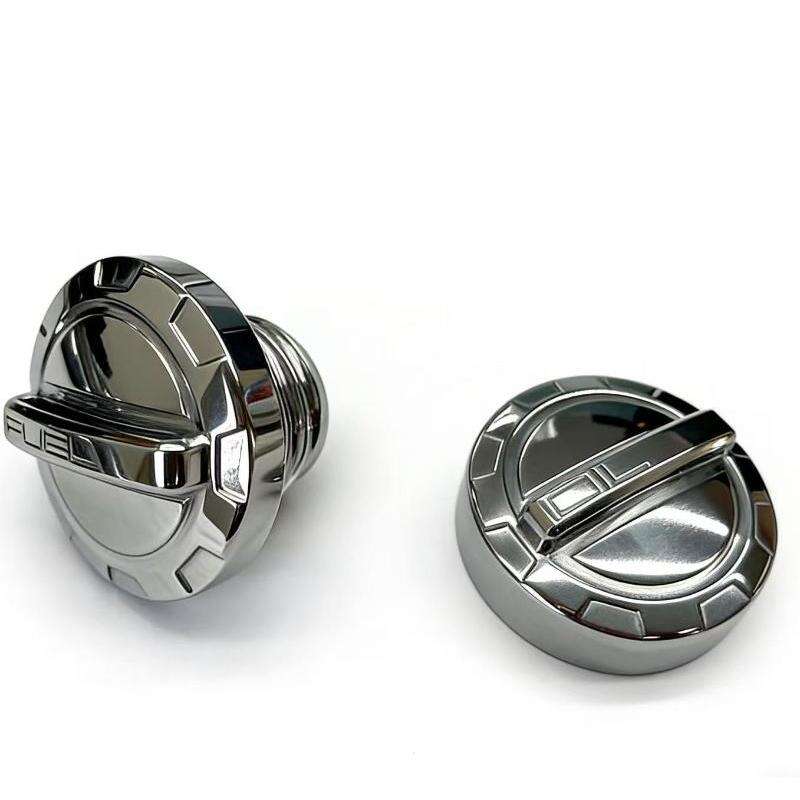
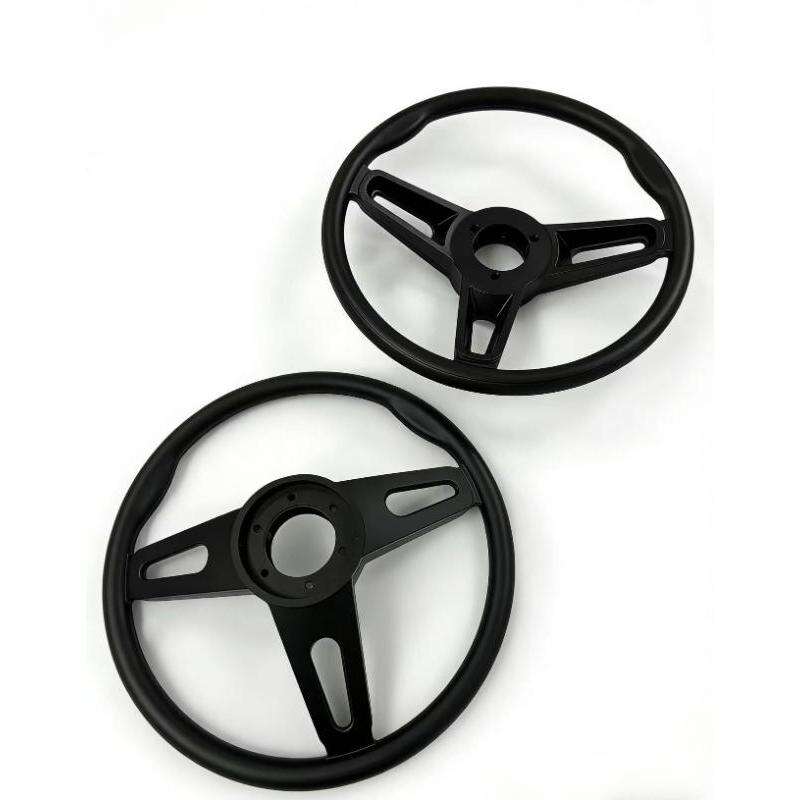
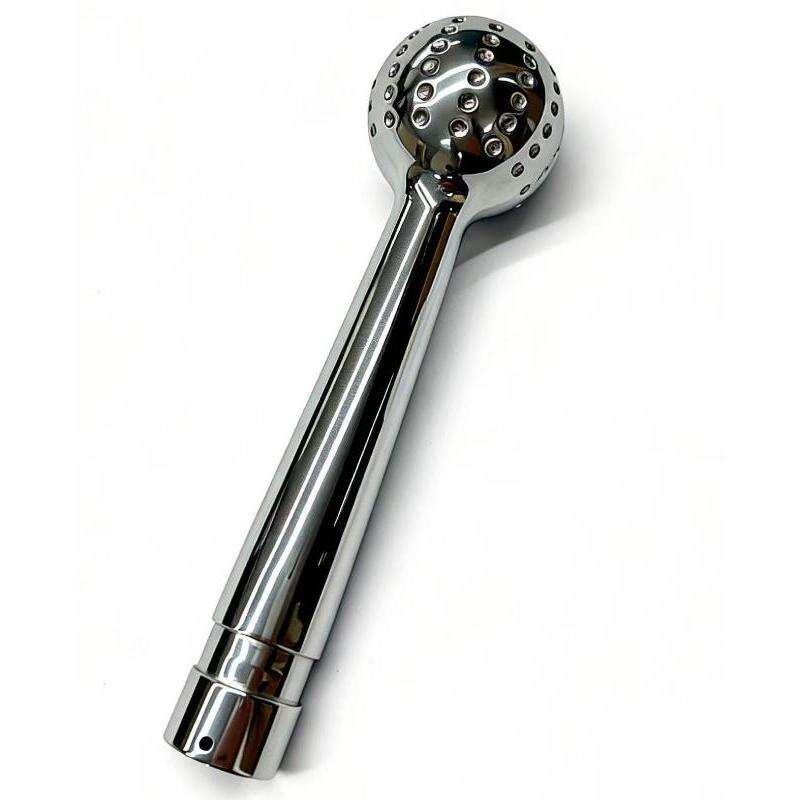
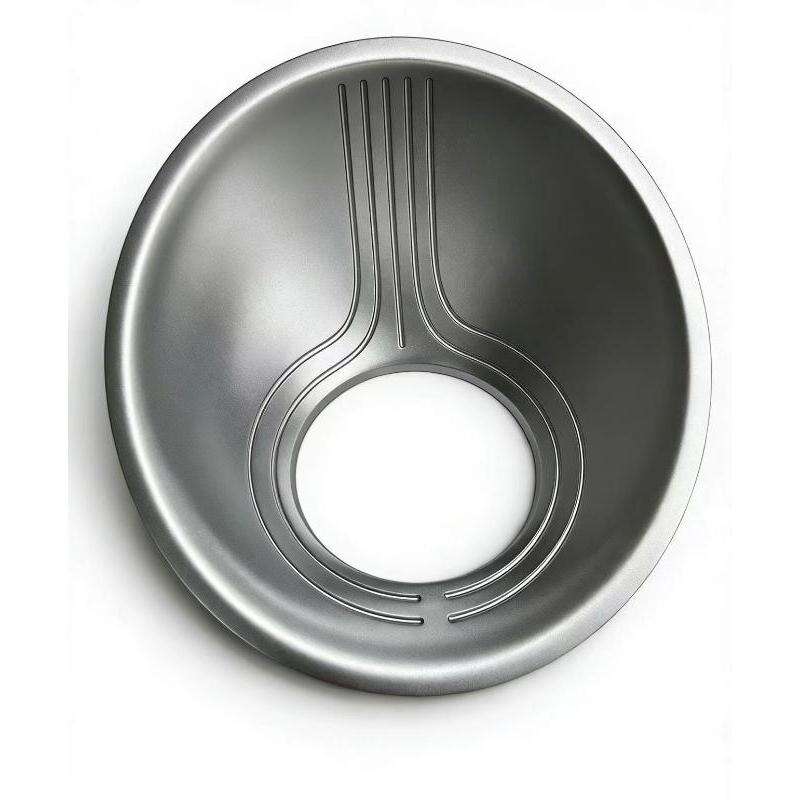
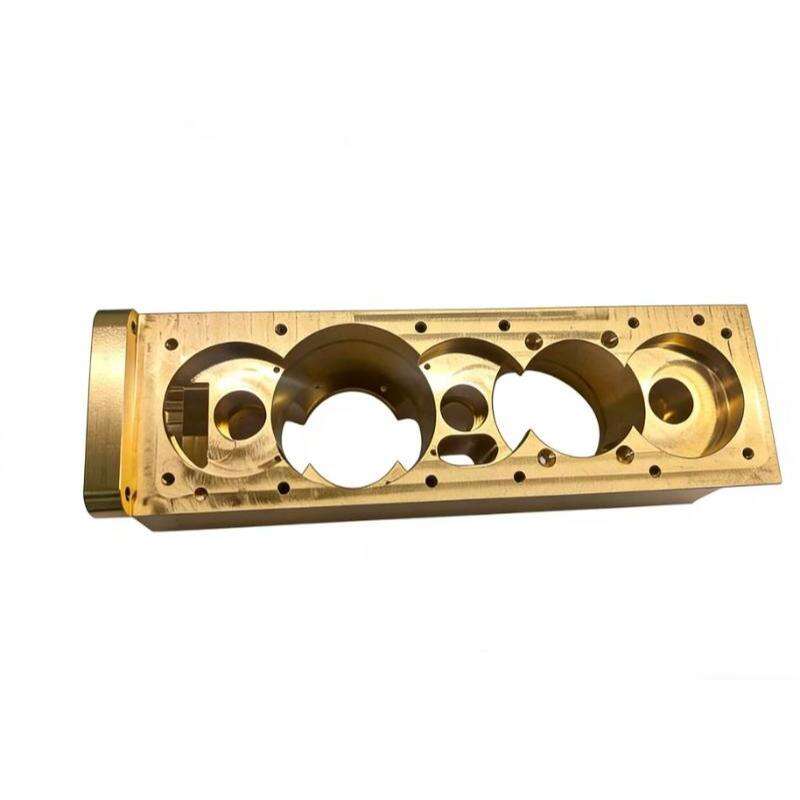
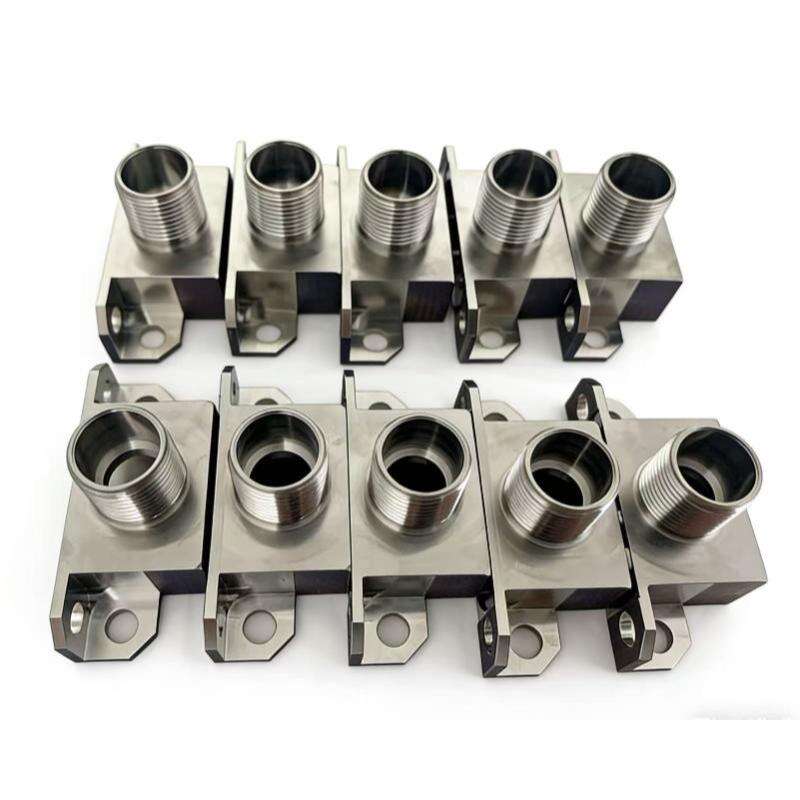
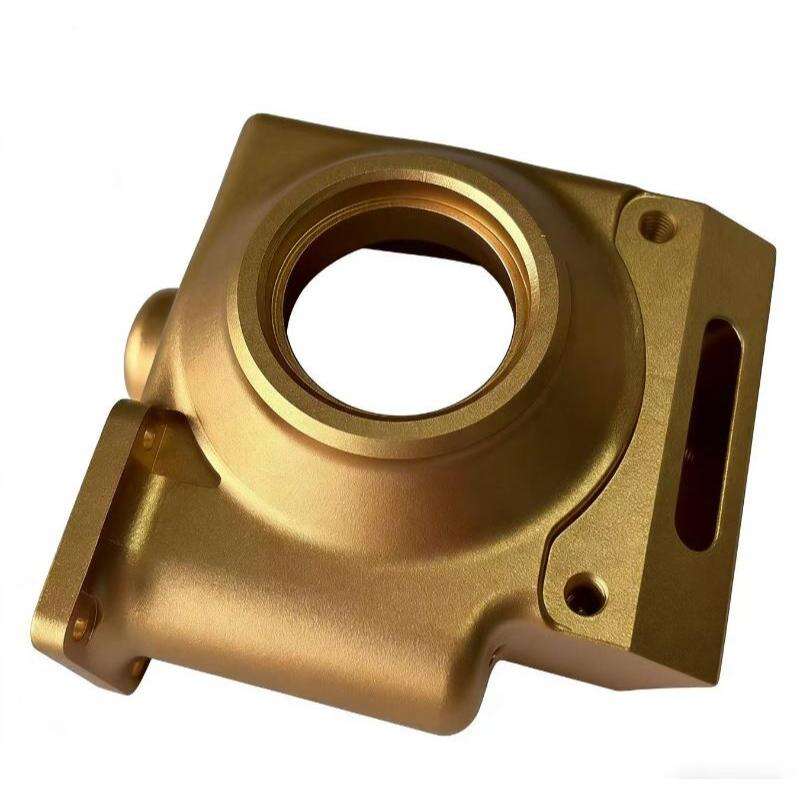
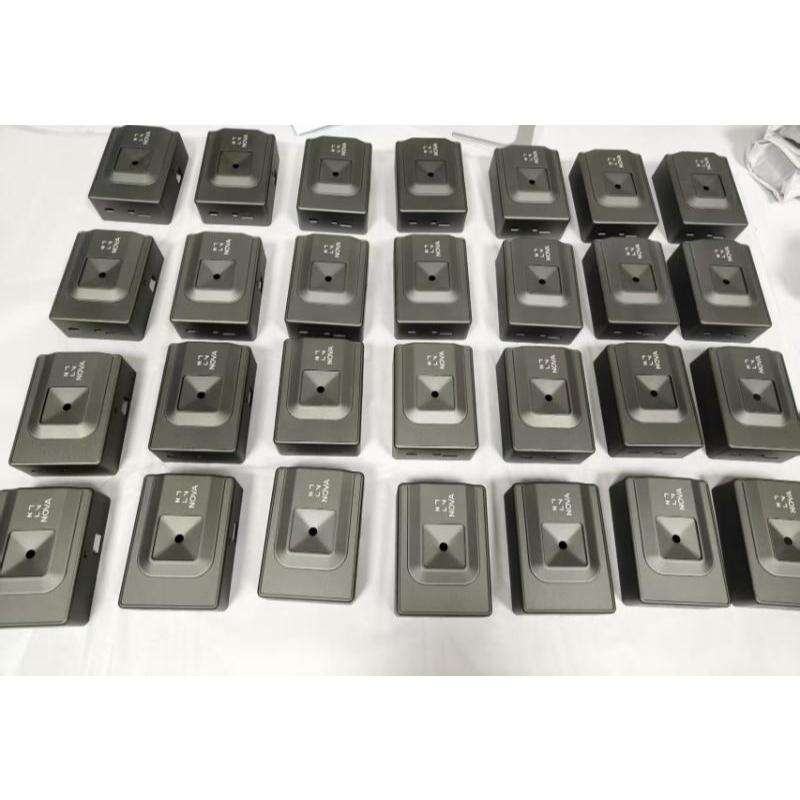
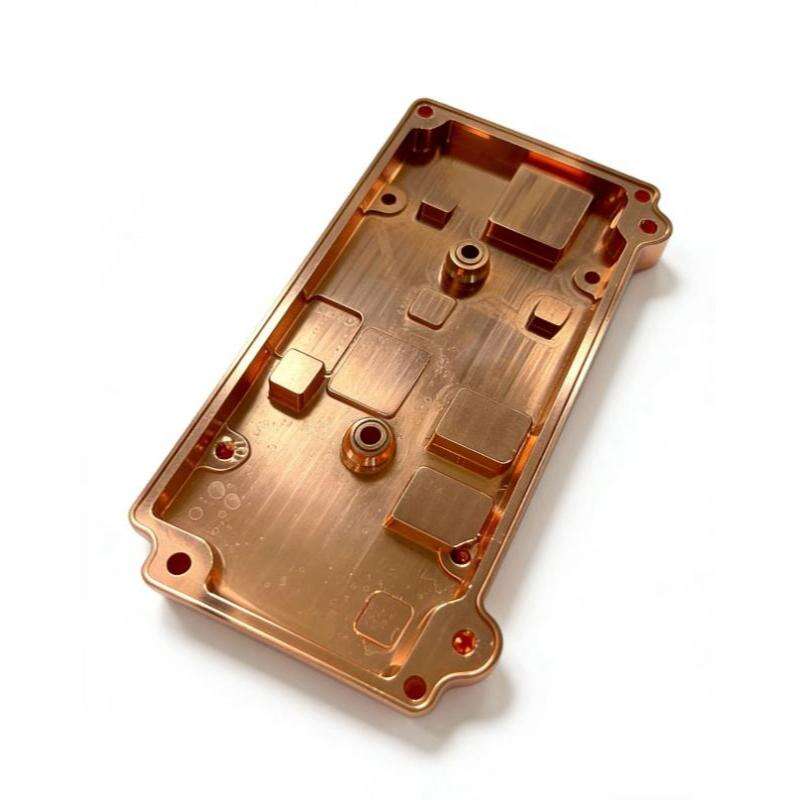
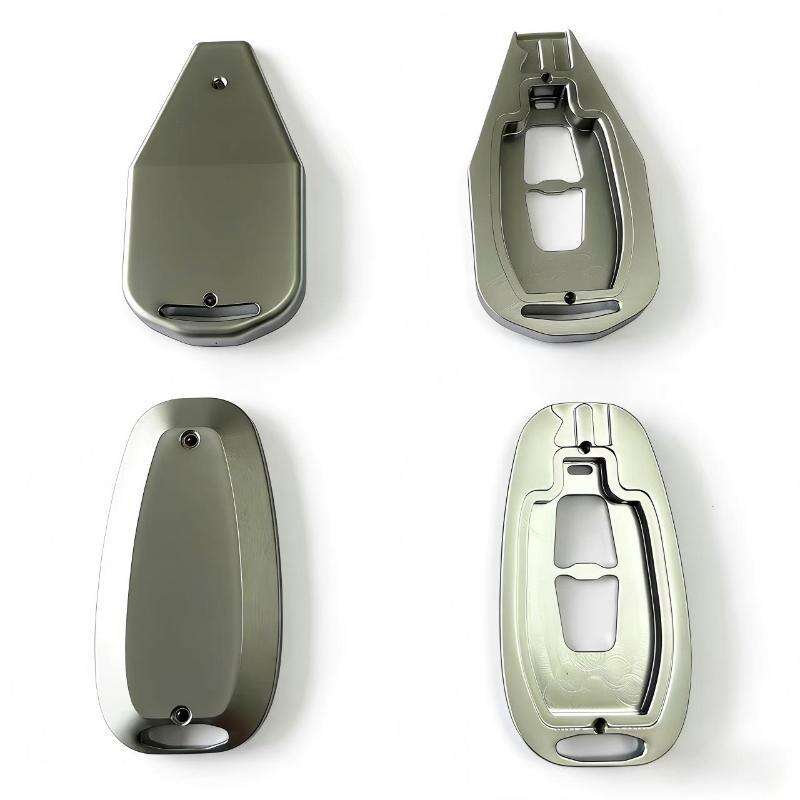
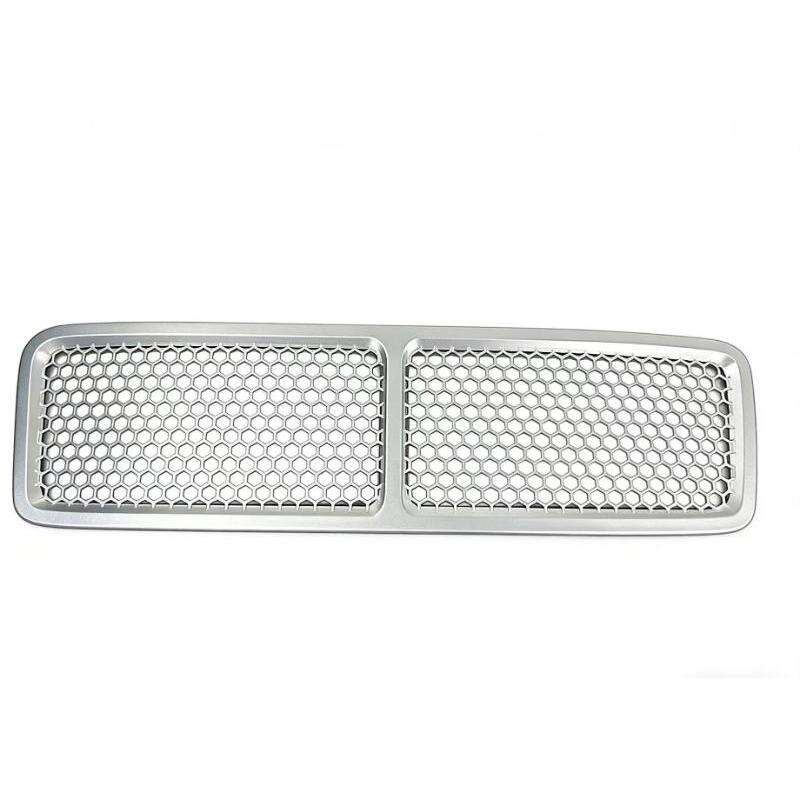
SJ-MFG’s standard tolerances of CNC milling are applicable to ISO 2768 (medium) for plastic machining and ISO 2768 (fine) for metal machining. If the customer has more stringent tolerance requirements for specific positions, please inform us in advance. Our engineering team will carefully evaluate the situation and provide the highest possible precision.
We produce high-quality and precise complex milling parts for our customers, with first-class dimensional stability.
|
Maximum processing dimensions: Maximum diameter 1000*500*500mm. |
|
Minimum processing dimensions: Minimum diameter 5*5*5mm. |
|
General tolerance: ±0.1mm, best tolerance can meet ±0.005mm. |
|
Production time: Simple small milling parts can usually be completed within 2 days. Large-sized complex structural components usually within 3-5 days. |
 EN
EN