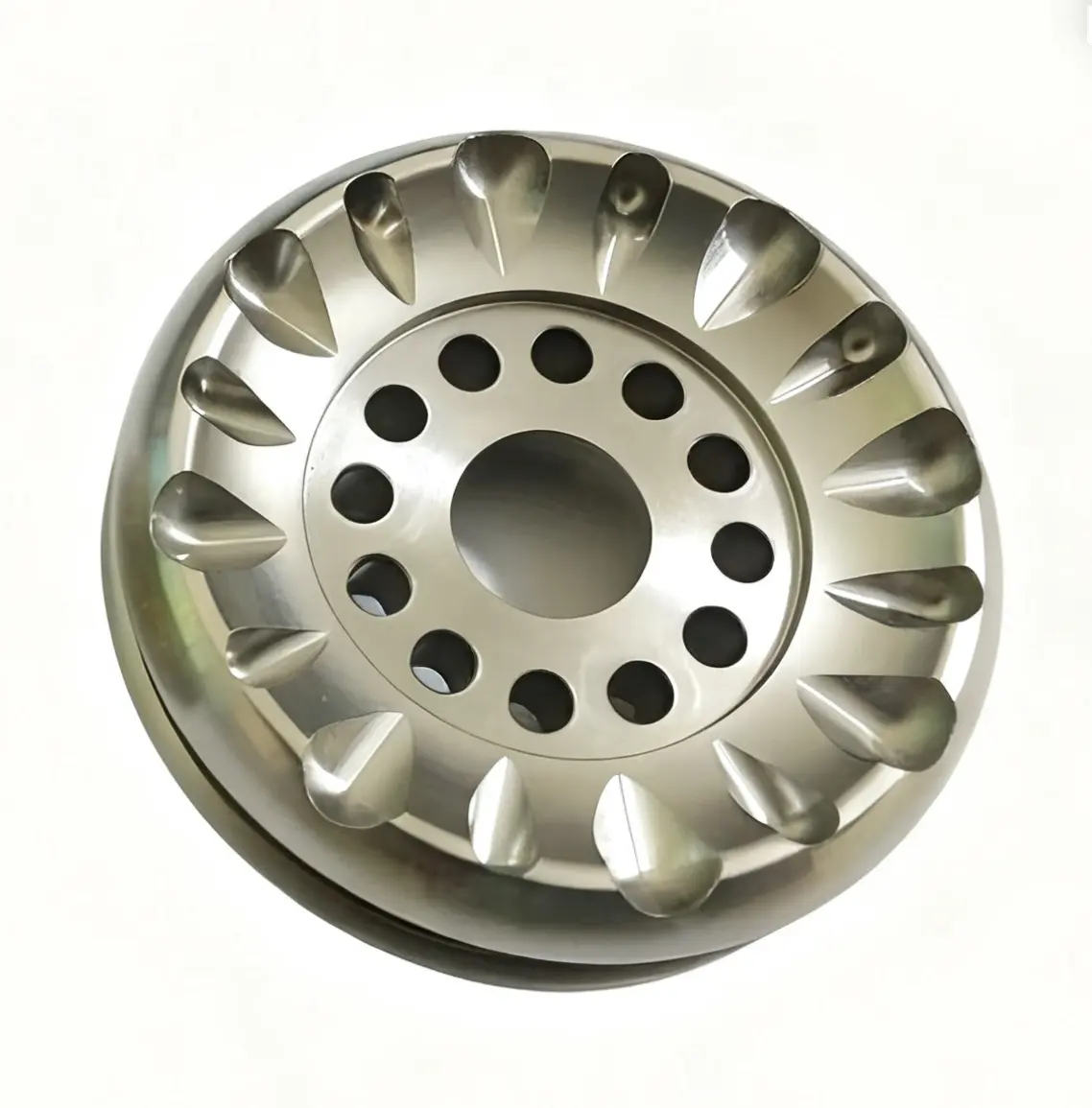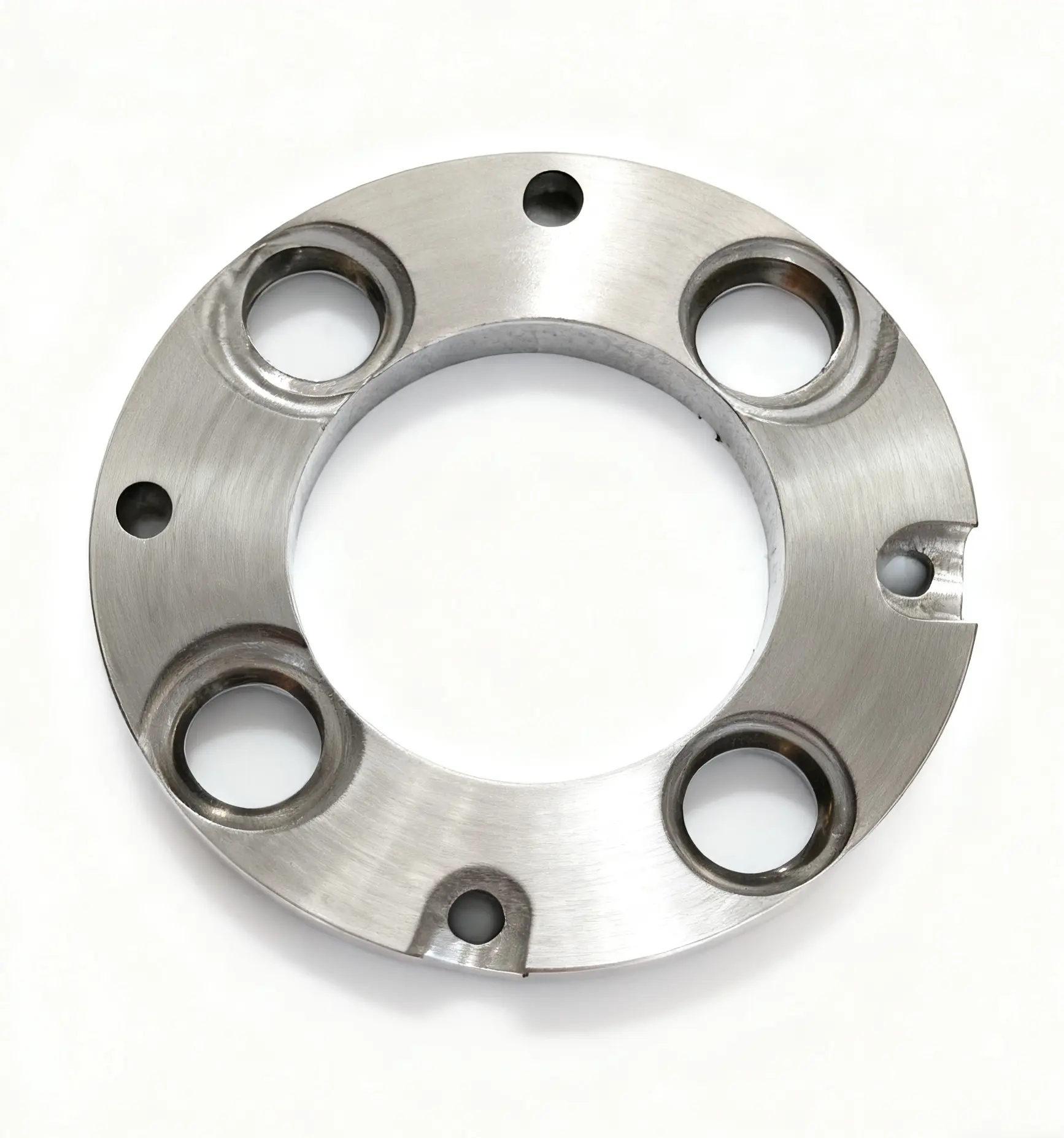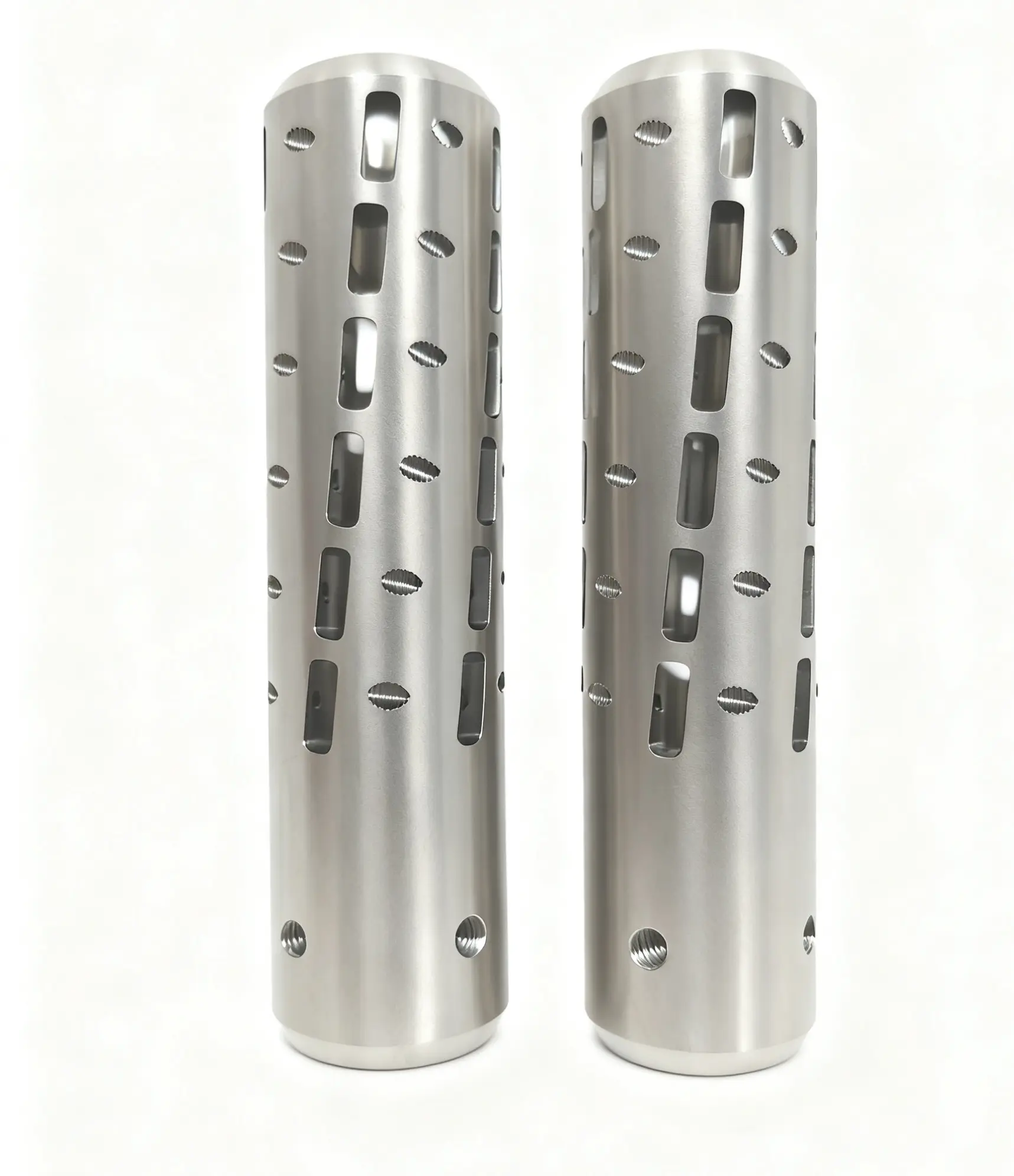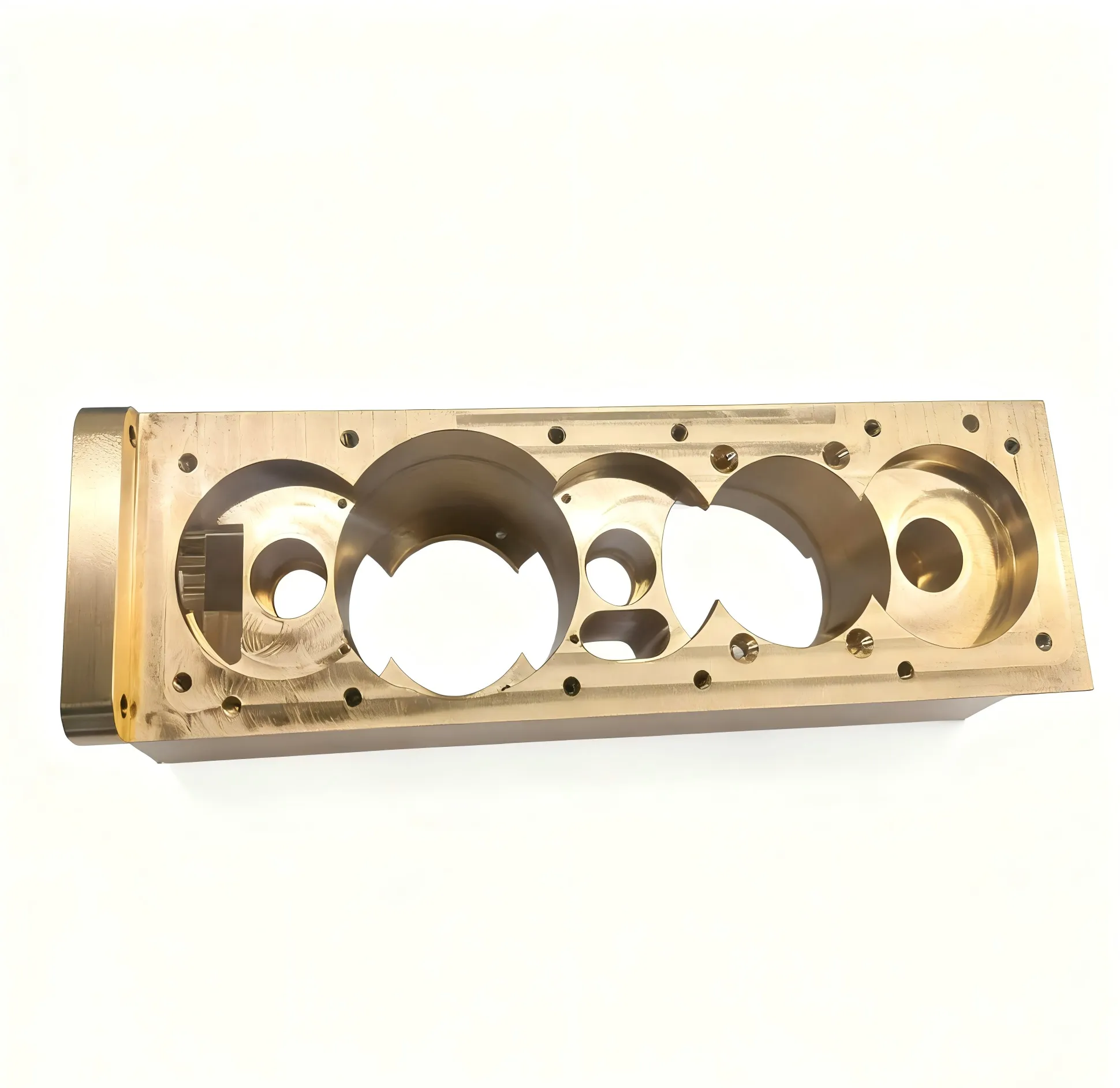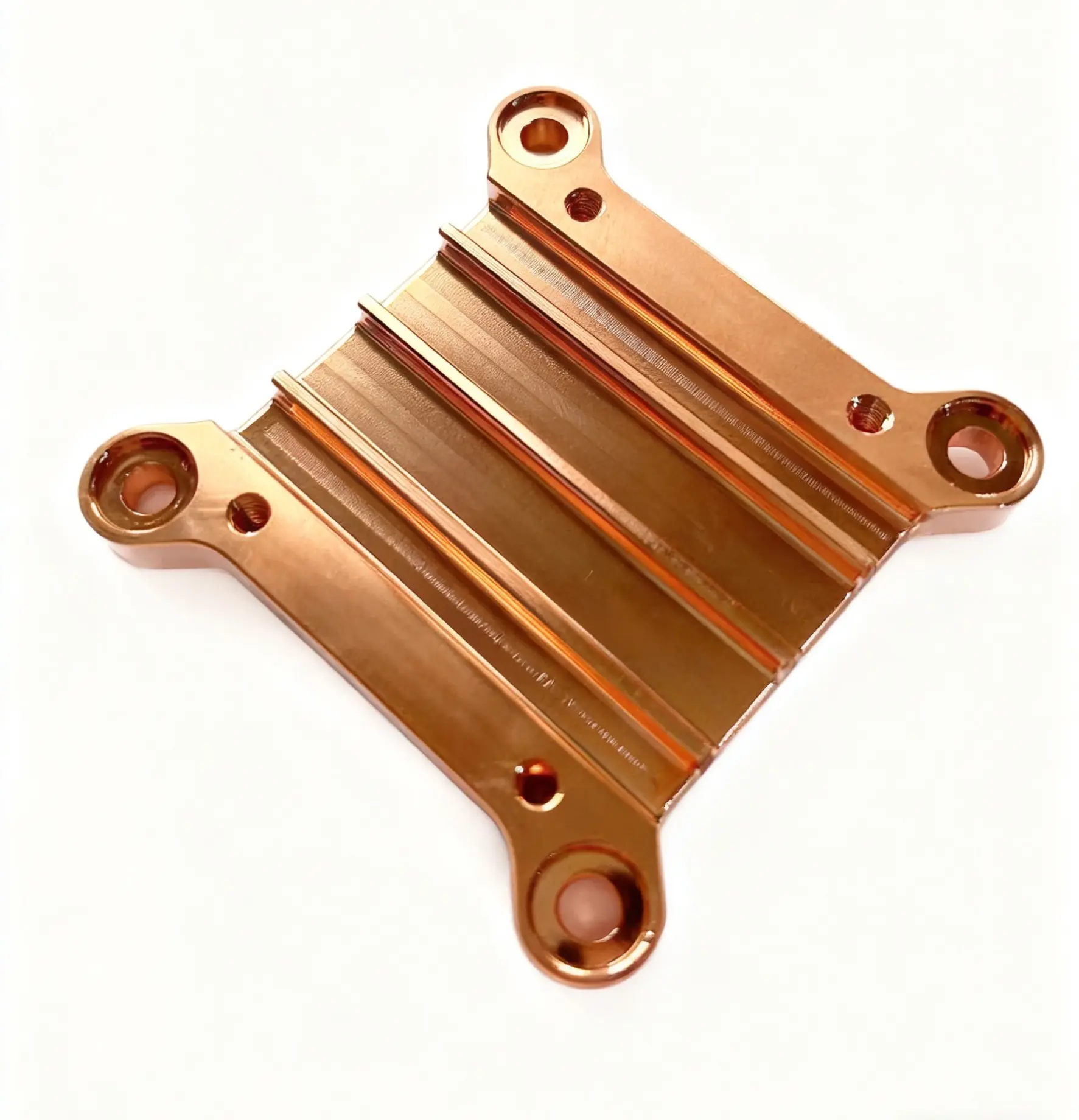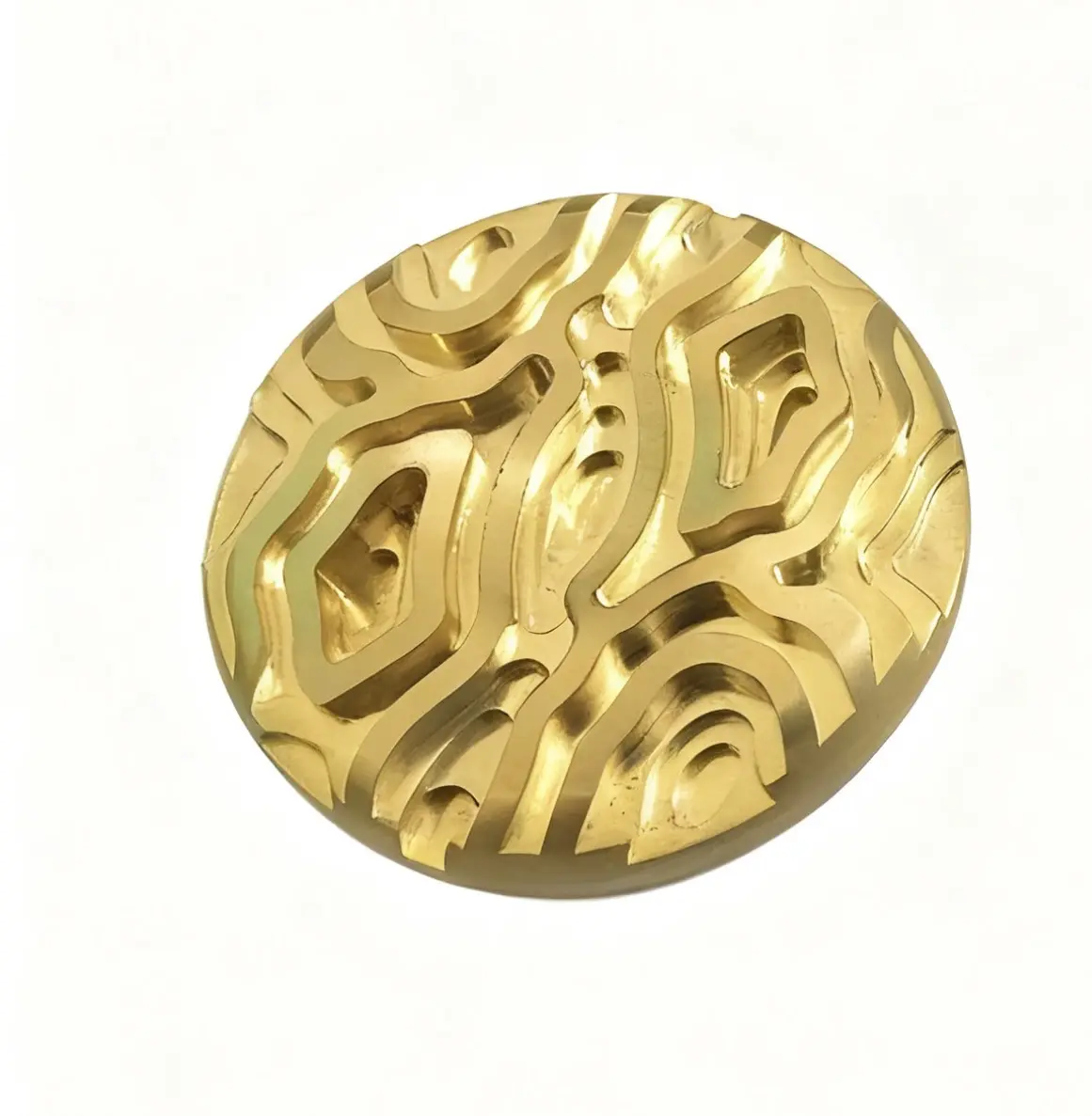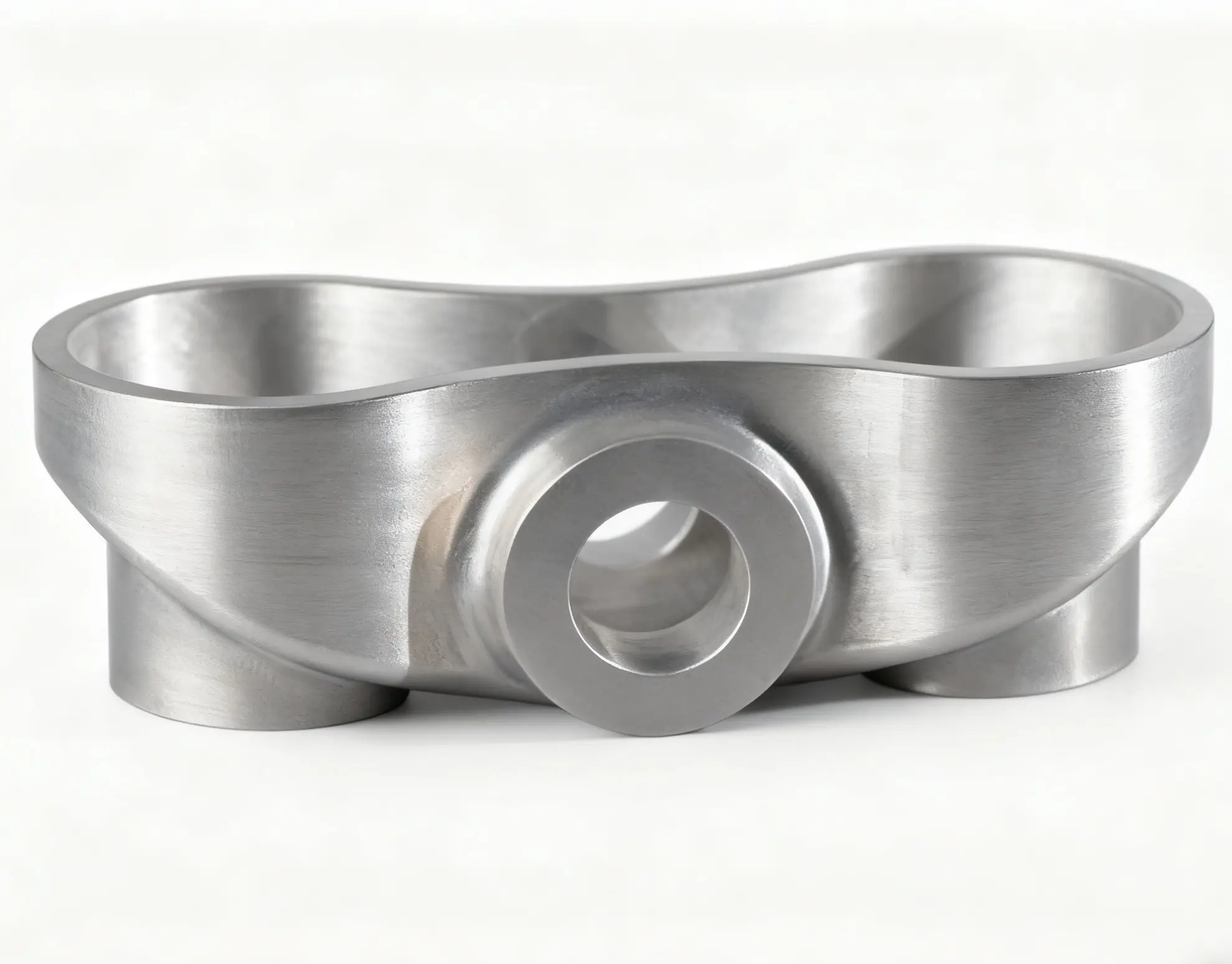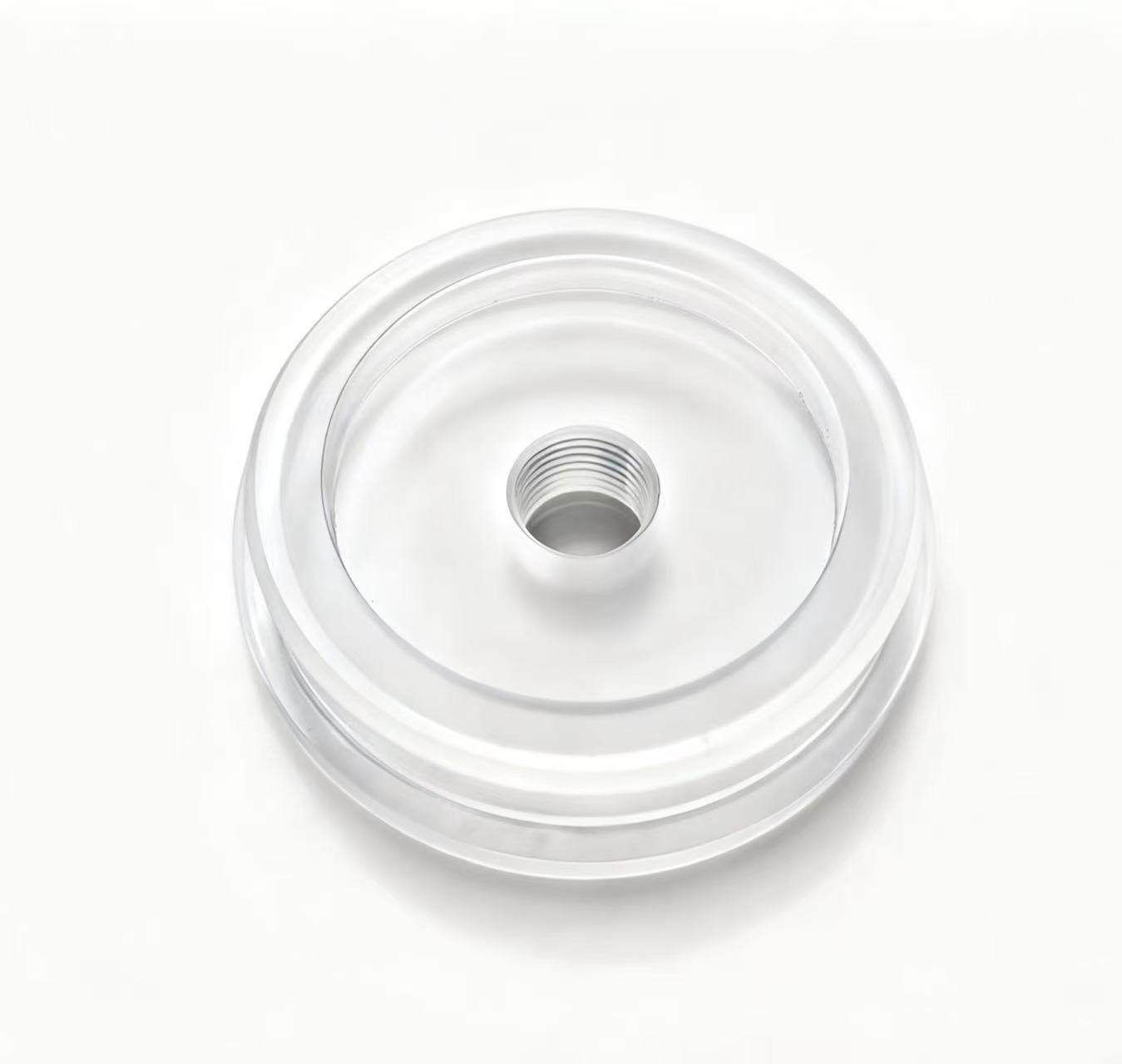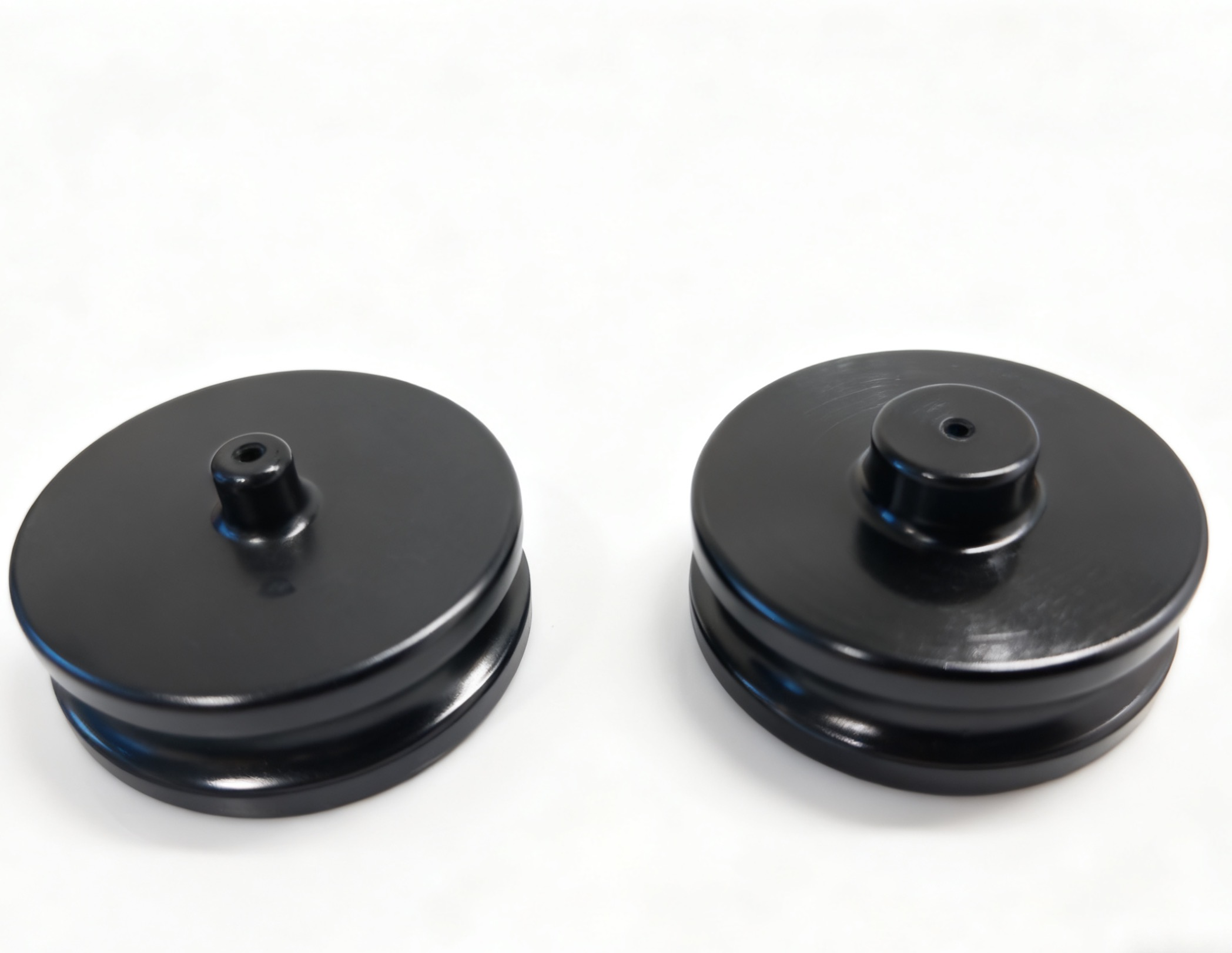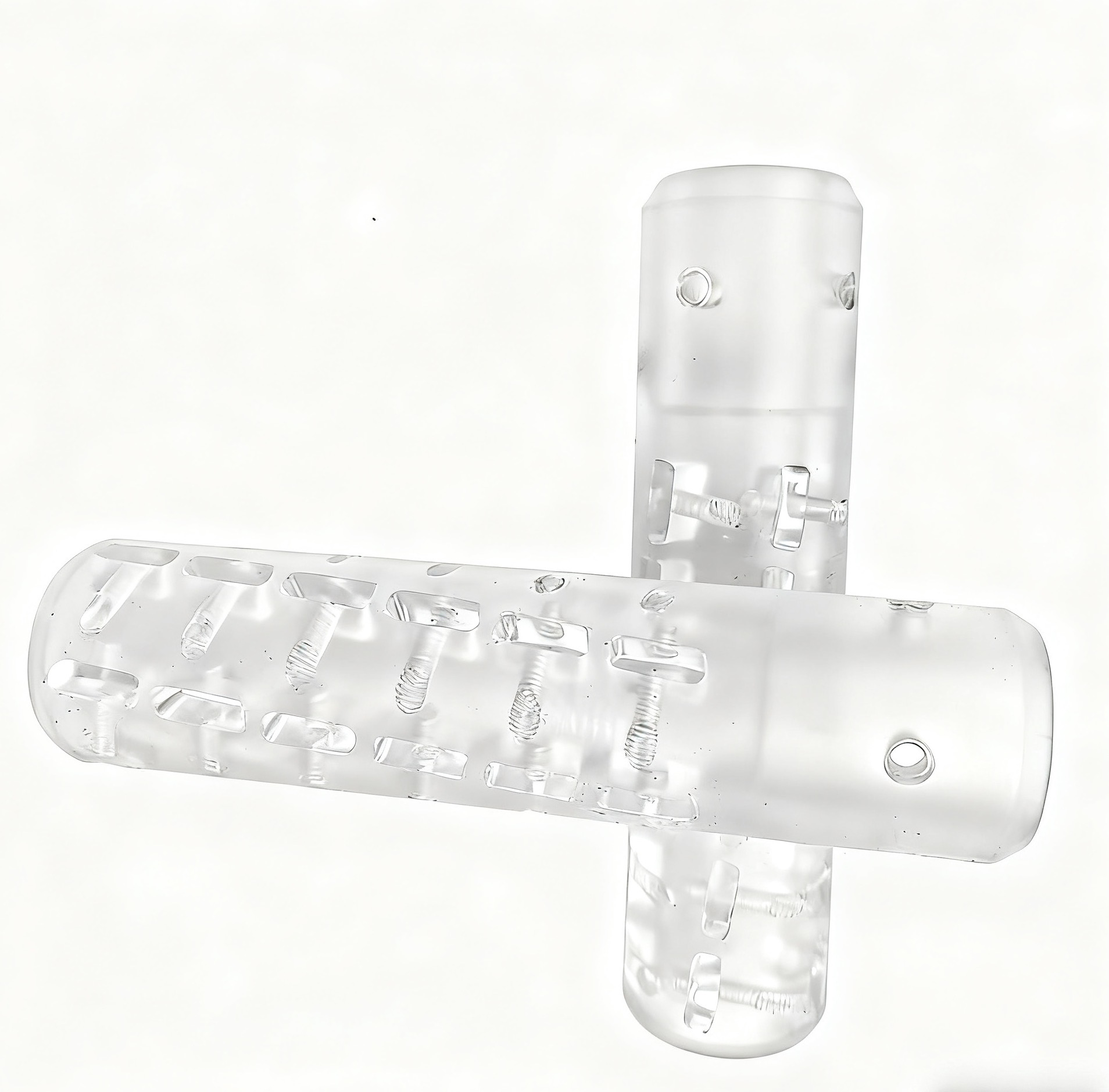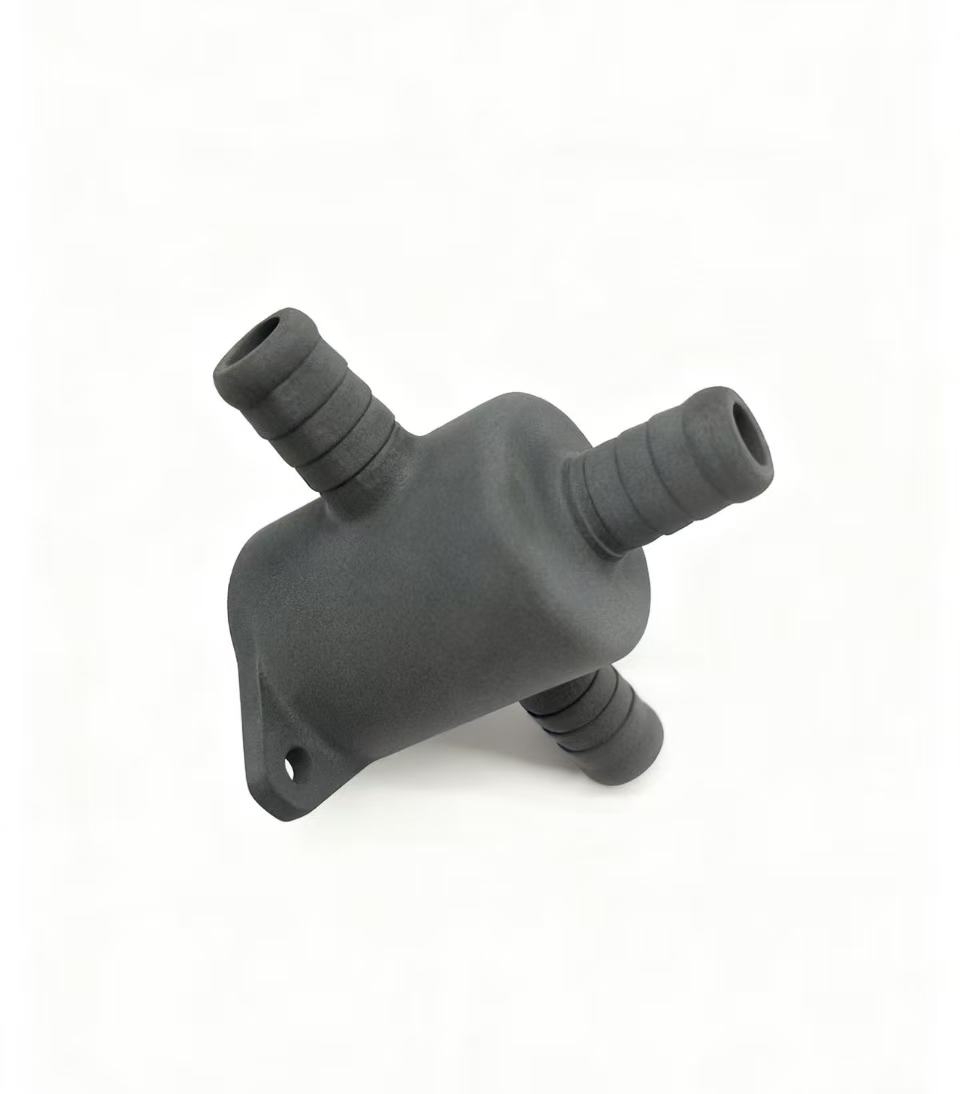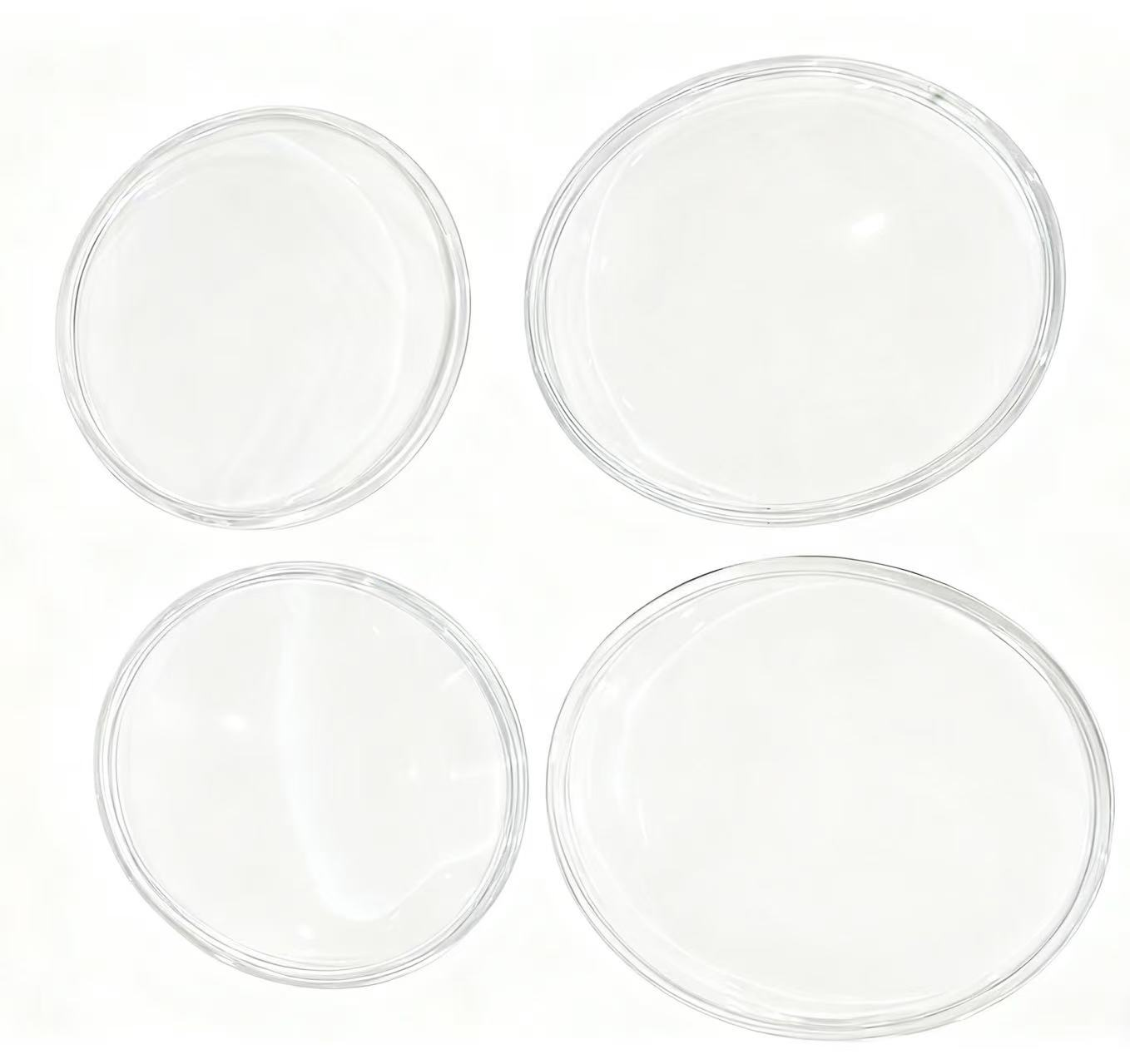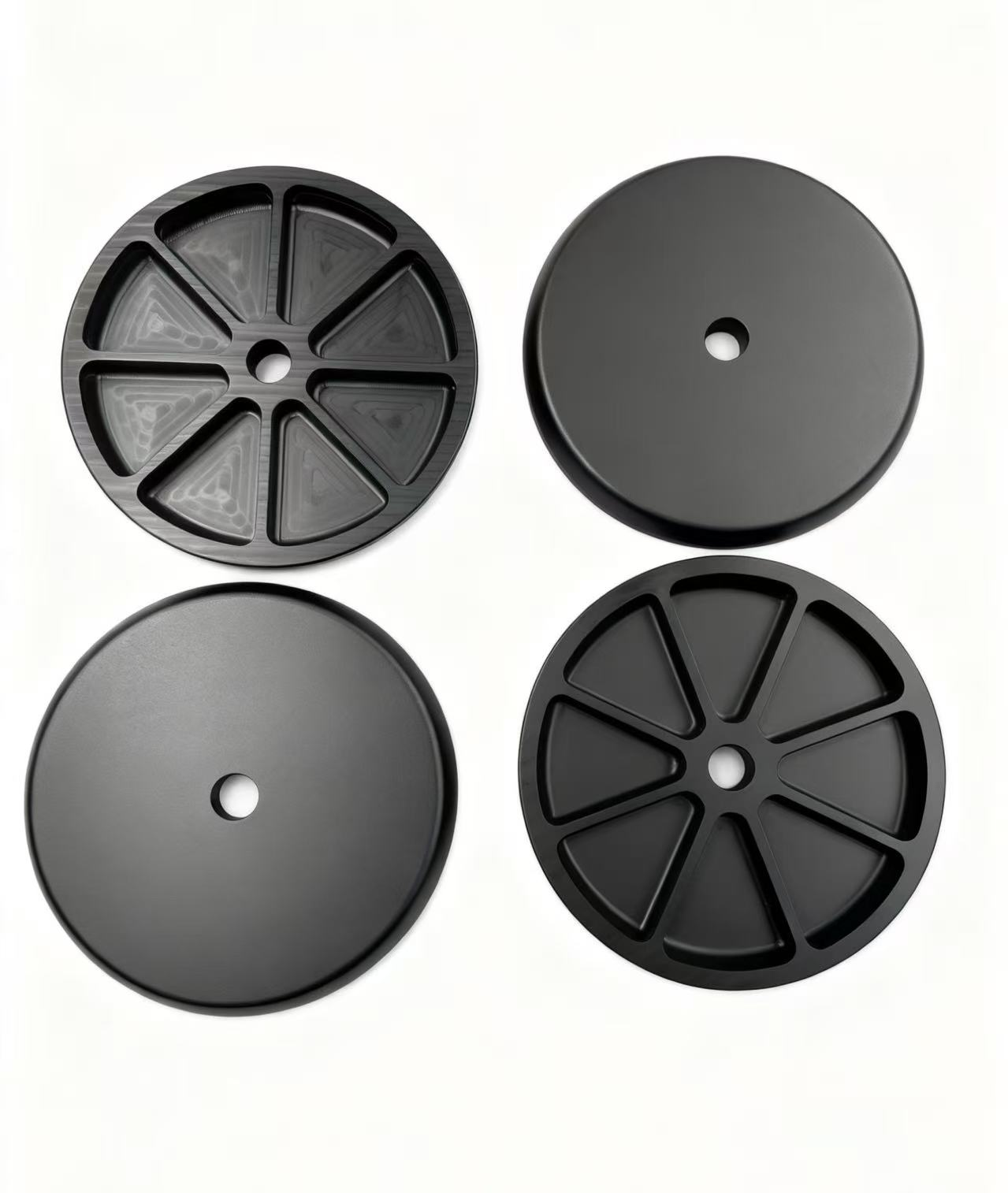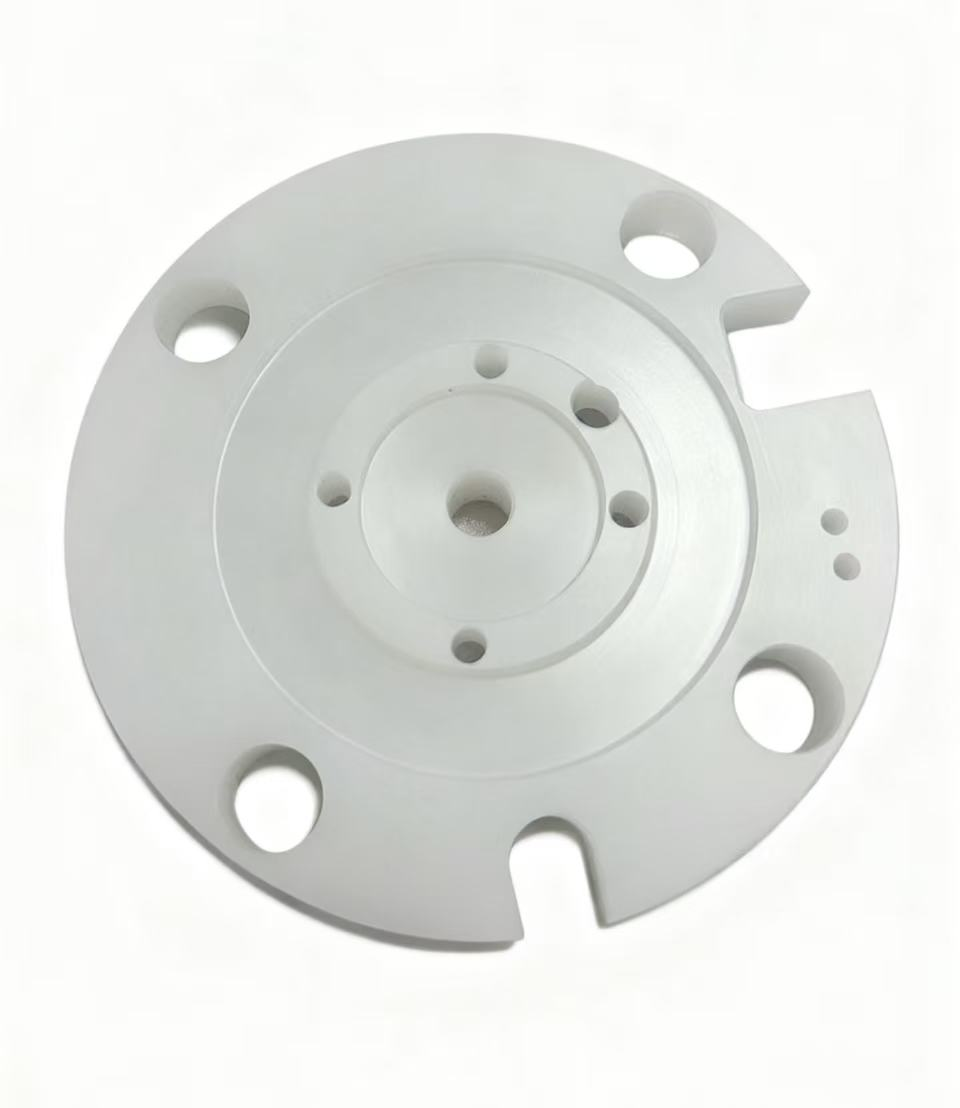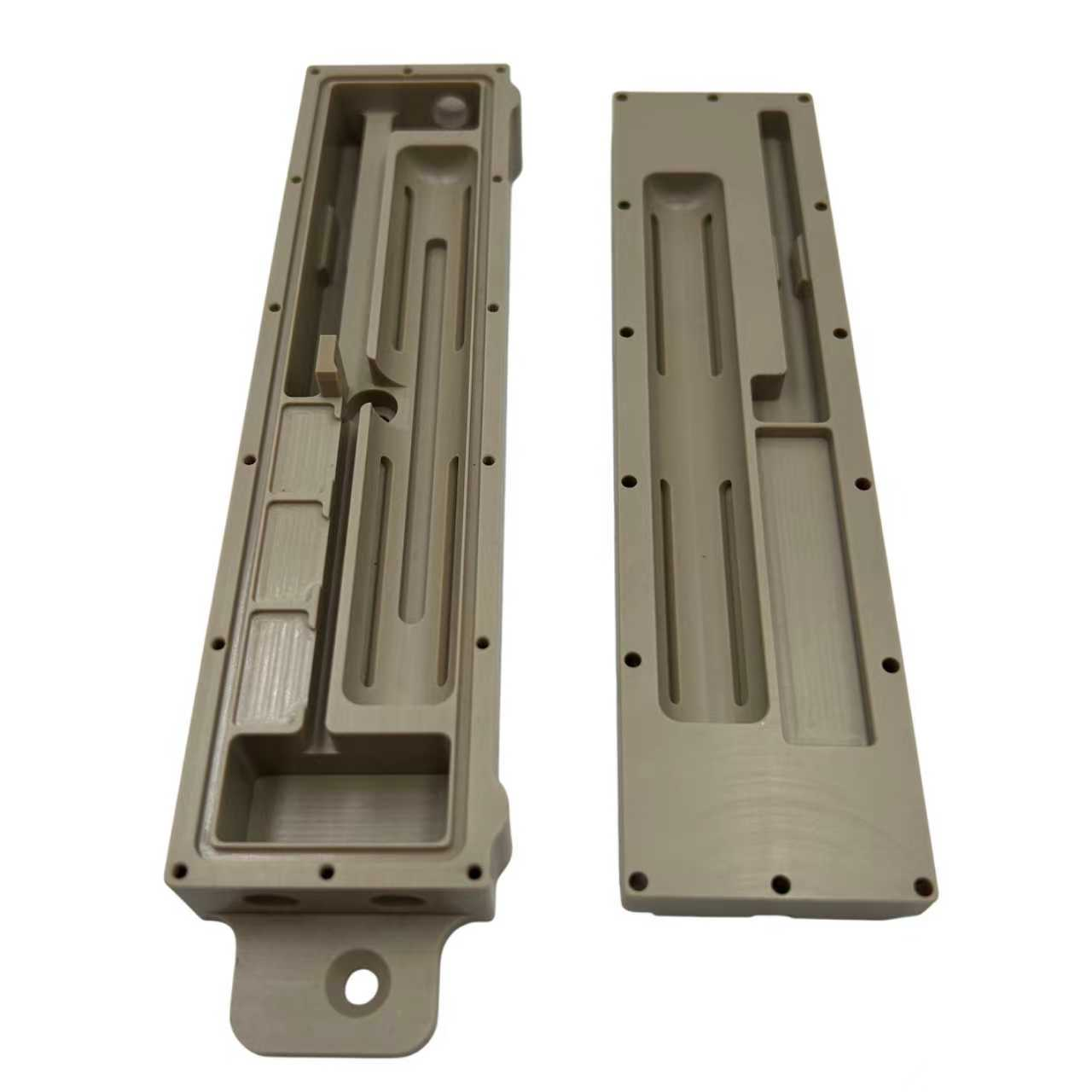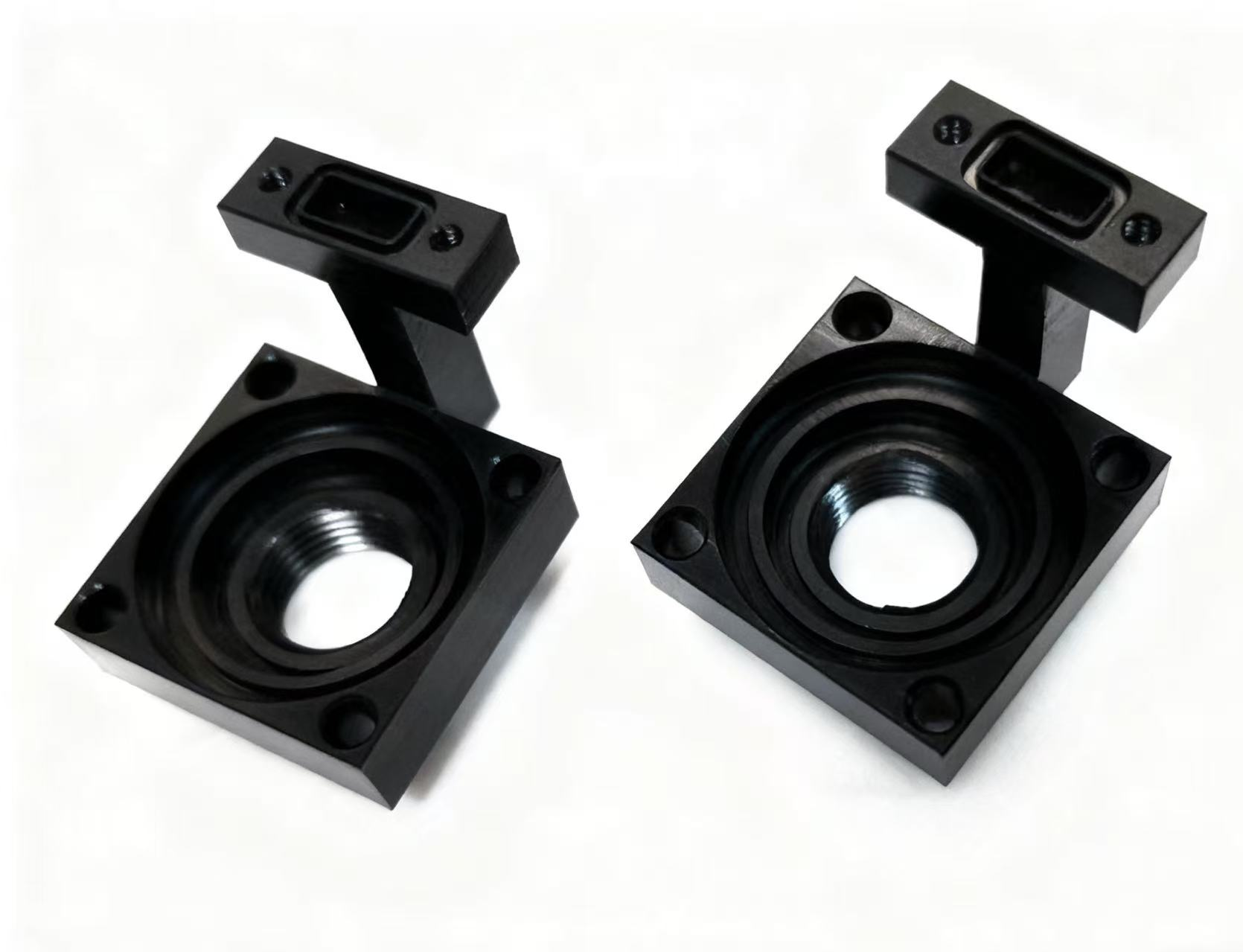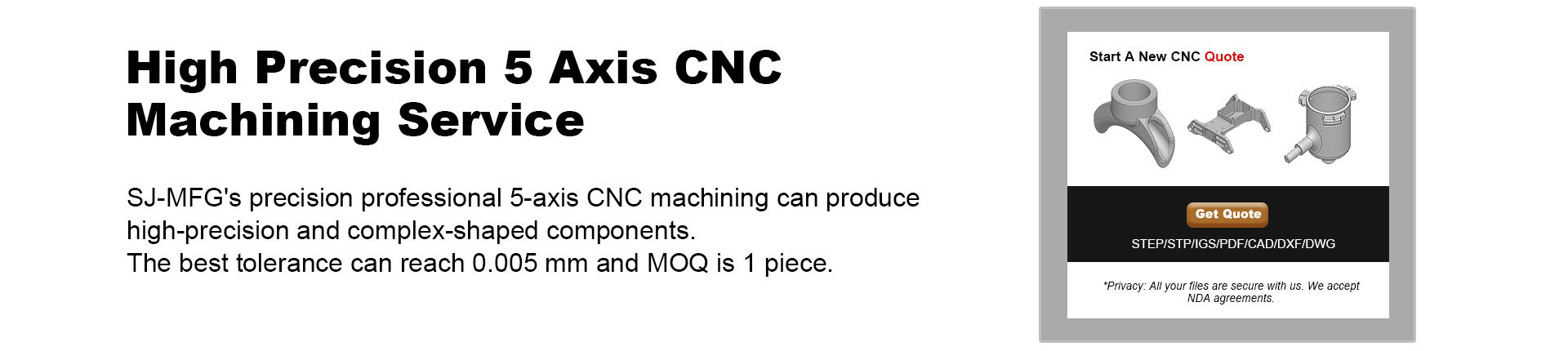
Five-axis CNC machining is one of the core technologies in modern high-end manufacturing. By adding two rotational axes (typically A, C axes or B, C axes) to the traditional three-axis (X, Y, Z linear motion), the tool can approach the workpiece from almost any direction, enabling one-time precise processing of complex geometries. Industries such as aerospace, automotive, and medical equipment rely on five-axis machining services to manufacture complex components requiring extremely high precision.
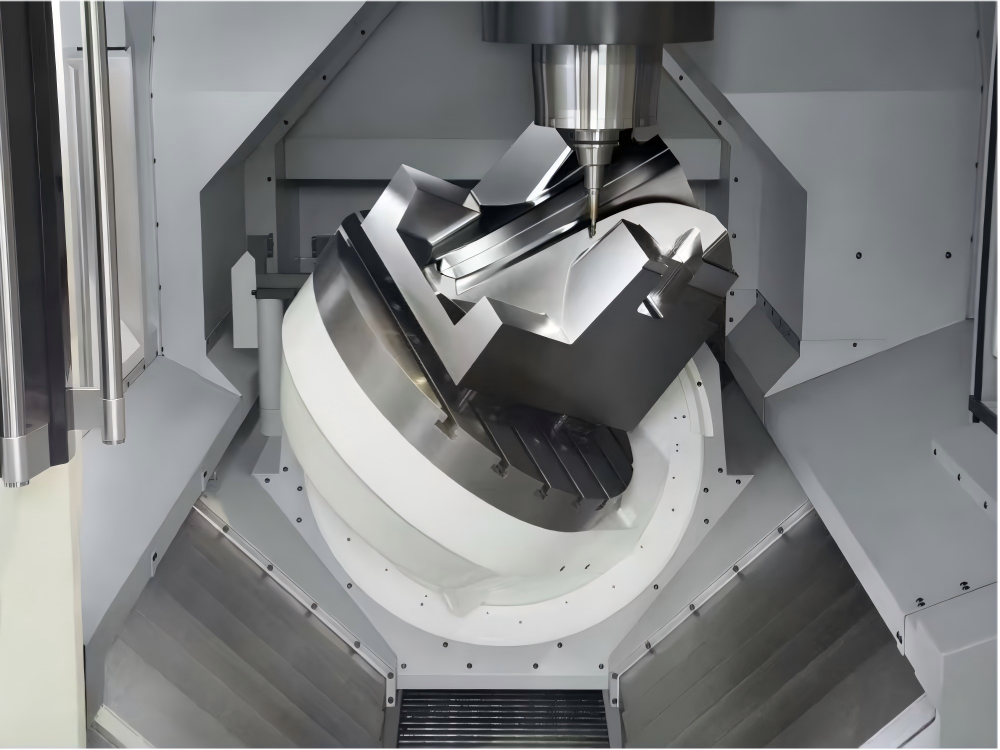
| Core processing capability: | Core technical advantages: |
| Efficient processing of complex surfaces | Improvement in precision and accuracy |
| Multi-angle Feature Integration Processing | Improvement in production efficiency |
| Processing of thin-walled stable parts | A wider range of processing capabilities |
| High-precision interferometric avoidance | Optimization of material and tool costs |
| High-quality surface forming | Breakthrough in design freedom |
Through the synchronous rotation and movement of the workpiece and the tool, it can operate simultaneously in multiple directions and angles, precisely processing multiple surfaces of the workpiece. It has obvious advantages when processing complex geometric shapes and high-precision parts.
SI-MFG has rich experience in CNC 5-axis machining, a professional 5-axis programming and production team, and proficient operation of processing equipment. It can provide customers with one-stop services from design optimization (DFM) to mass production.
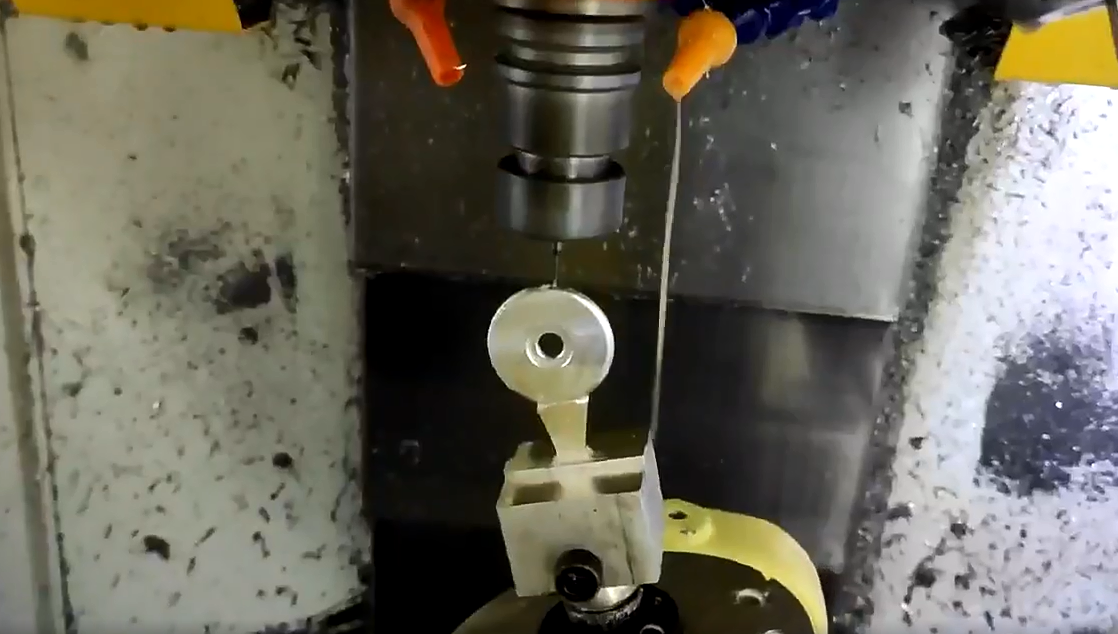

Low density, light weight, high strength, good electrical and thermal conductivity, excellent corrosion resistance, good appearance, and easy for CNC machining.
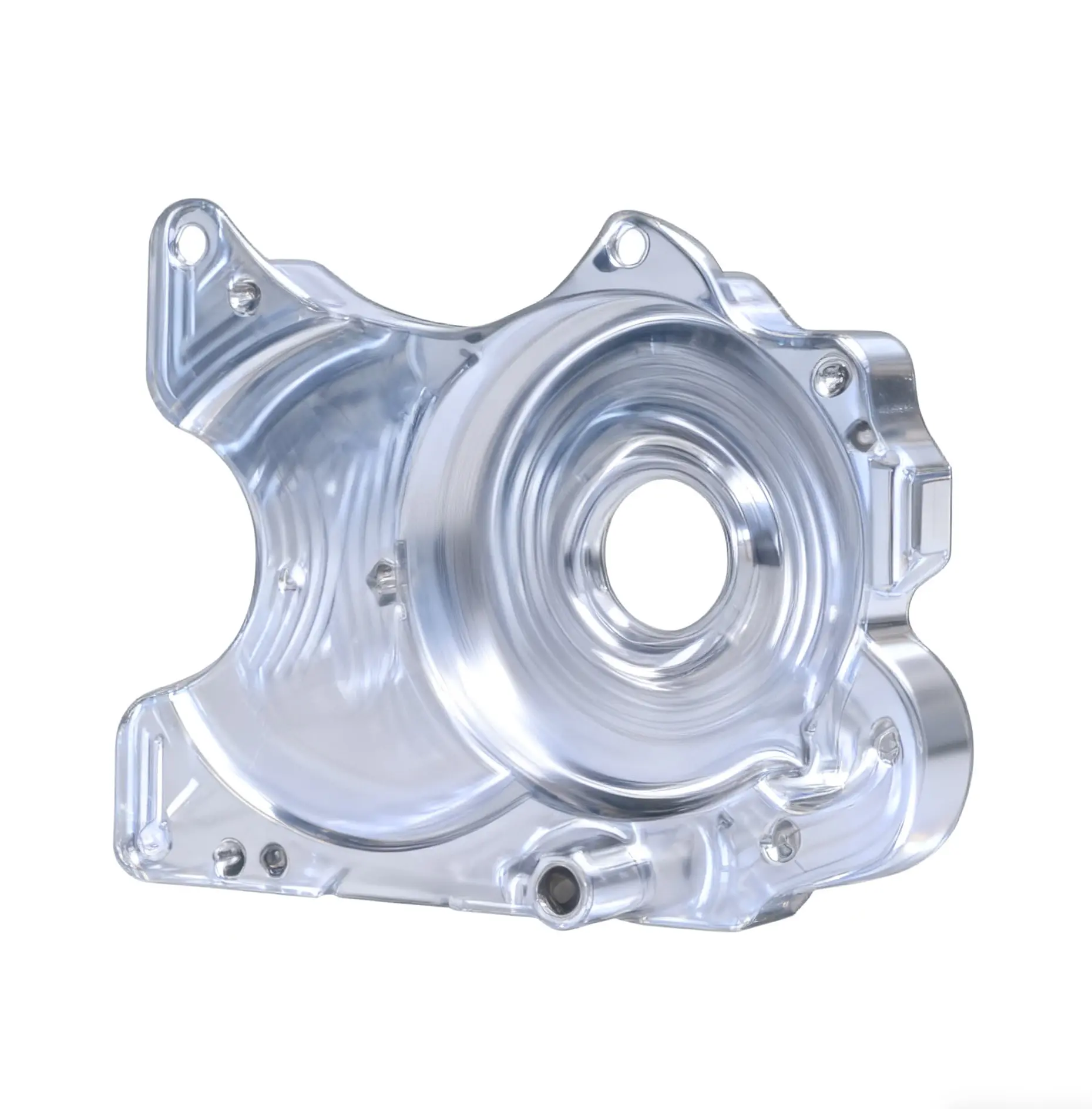
Easy to process and shape, good stability, resistant to chemical corrosion, excellent surface quality, good mechanical properties, resistant to impact and external forces
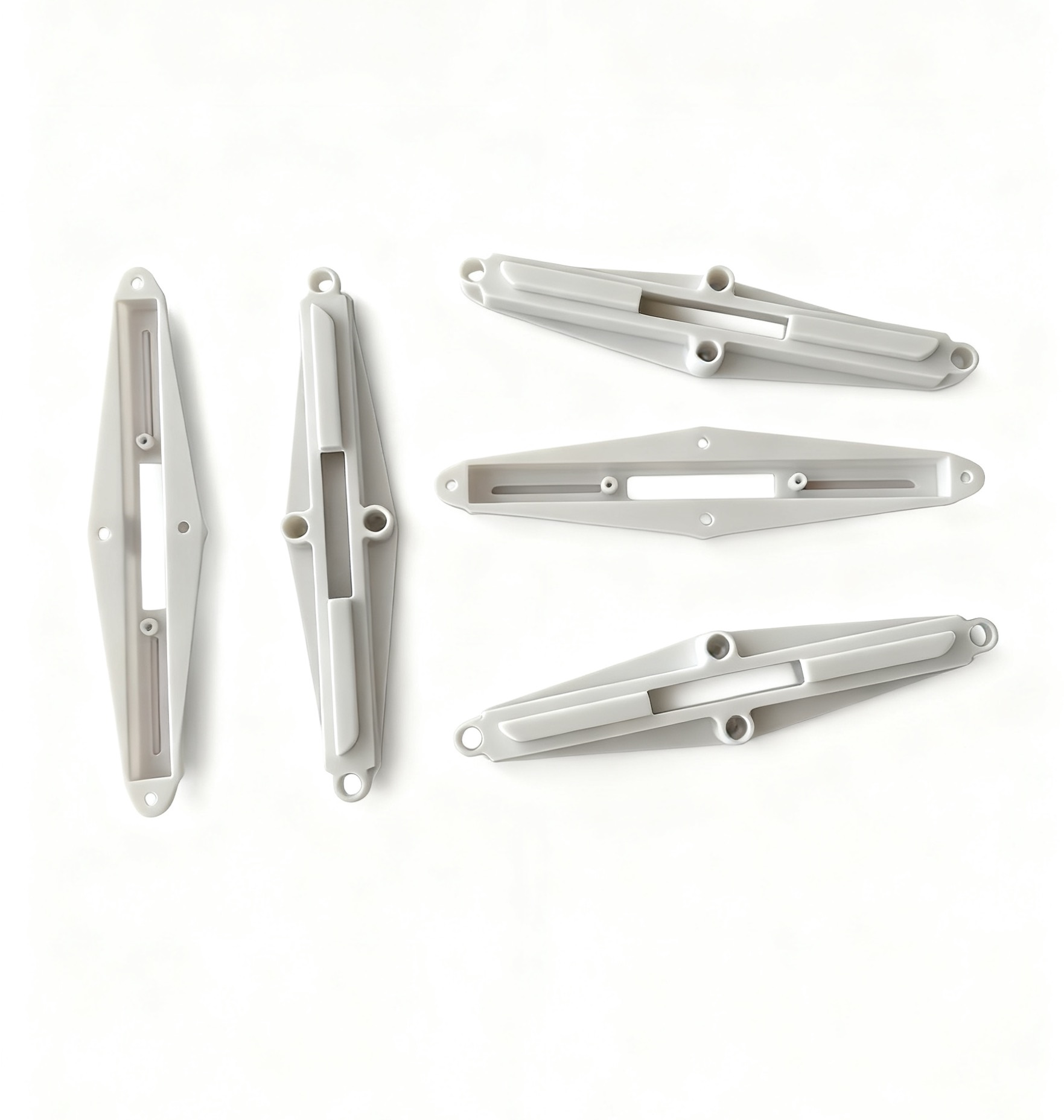
SJ-MFG offers a wide range of surface treatment options, which are applied to the surface treatment of 5 axis CNC parts. The main purpose is to meet specific functional requirements, enhance the appearance color, and improve the chemical and corrosion resistance of the part surface.
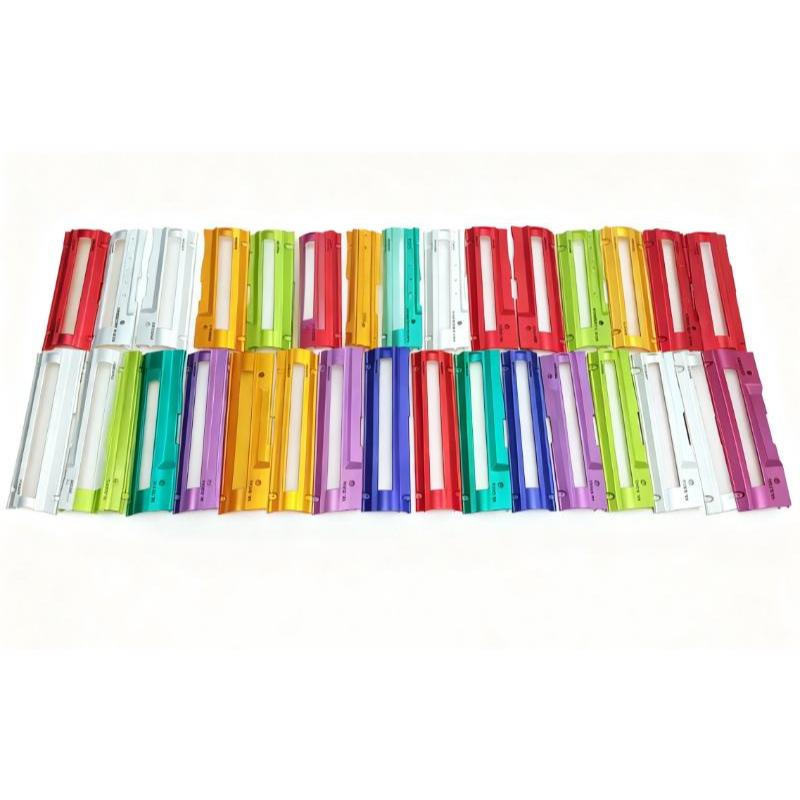
A protective oxide layer is formed on the surface of metal products, which is corrosion-resistant, wear-resistant, has a variety of colors and a beautiful appearance. It is most commonly used for aluminum alloy materials.
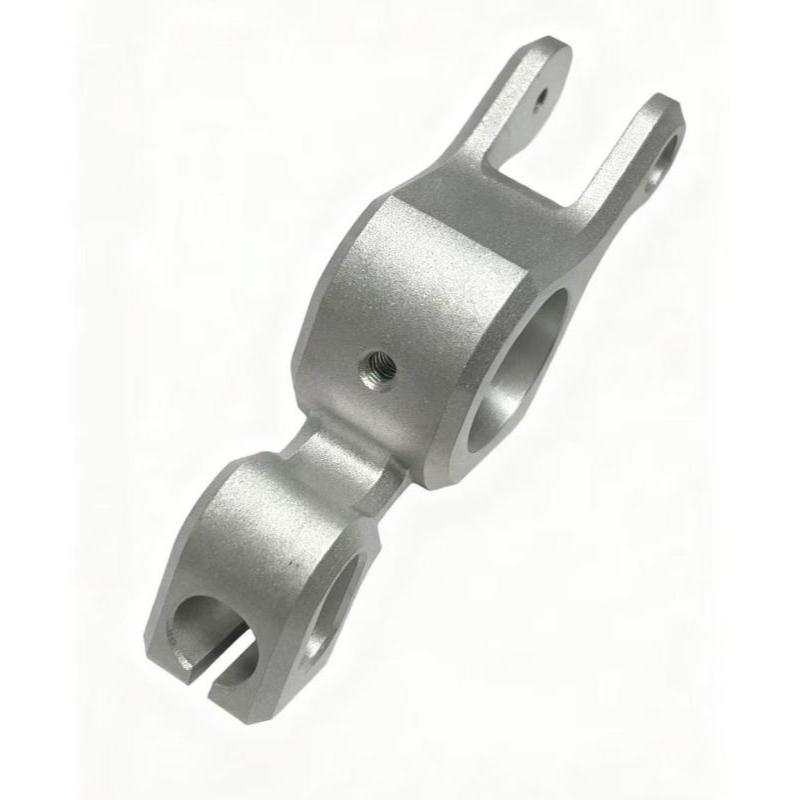
Using the impact effect of high-speed sand flow to clean and roughen the surface of the parts, a certain degree of cleanliness and different roughness can be achieved, and is applicable to both metal and plastic materials.
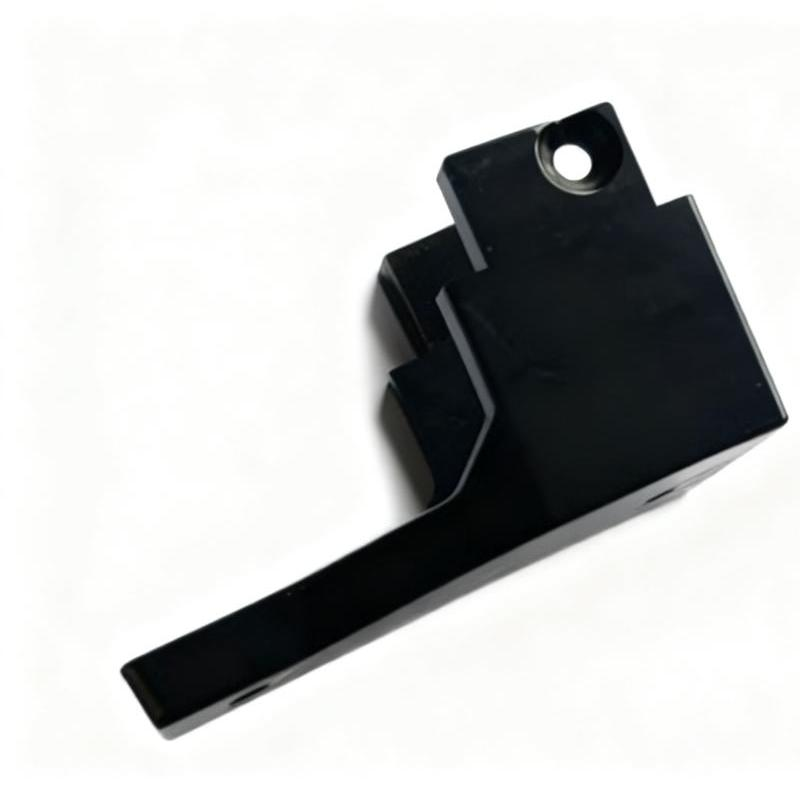
Heated in a high-concentration chemical solution, it forms a dense protective film, which is used to enhance the corrosion resistance, improve the appearance and minimize light reflection. It is commonly used for steel and stainless steel materials.
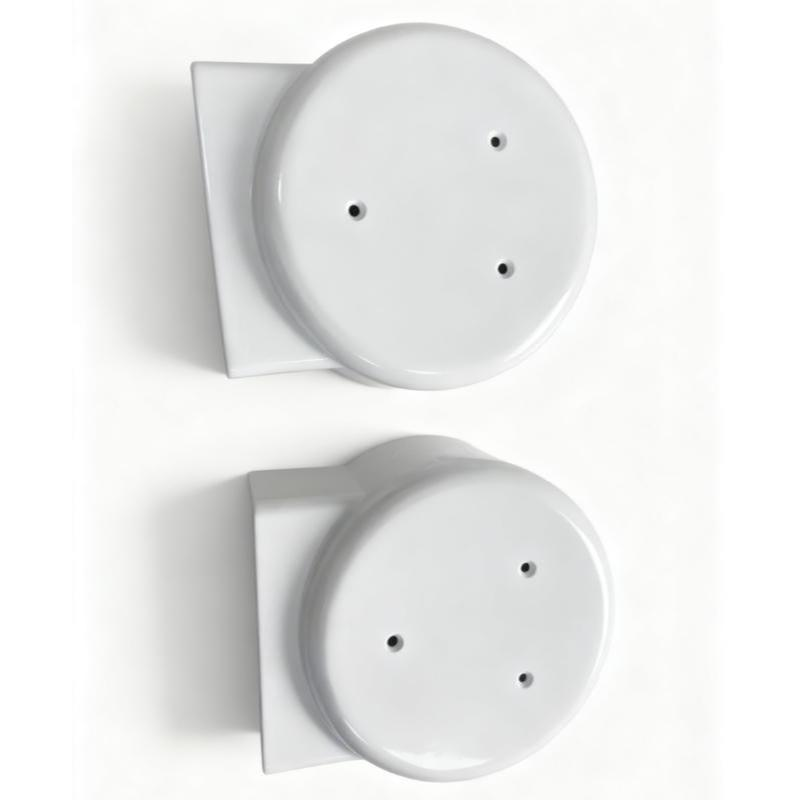
Enable the powder paint to adhere to the parts, forming a hard coating film on the surface. The coating thickness is uniform and it is wear-resistant. It is commonly used for metal parts.
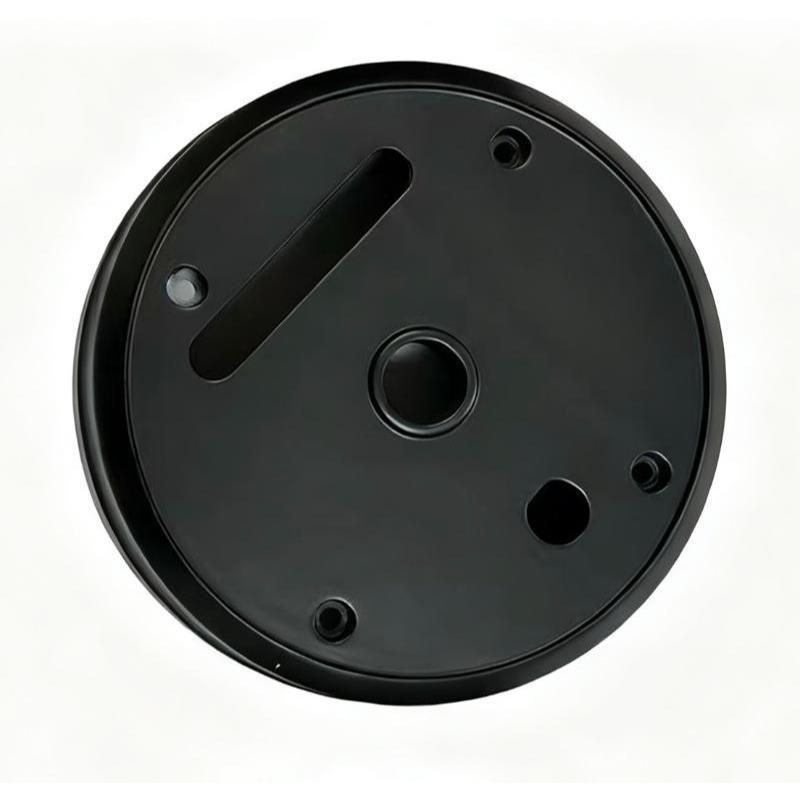
Liquid paint is sprayed onto the surface of the parts by compressed air. It is widely used for surface coating of products such as automobiles and electronics, and is applicable to both metal and plastic materials.
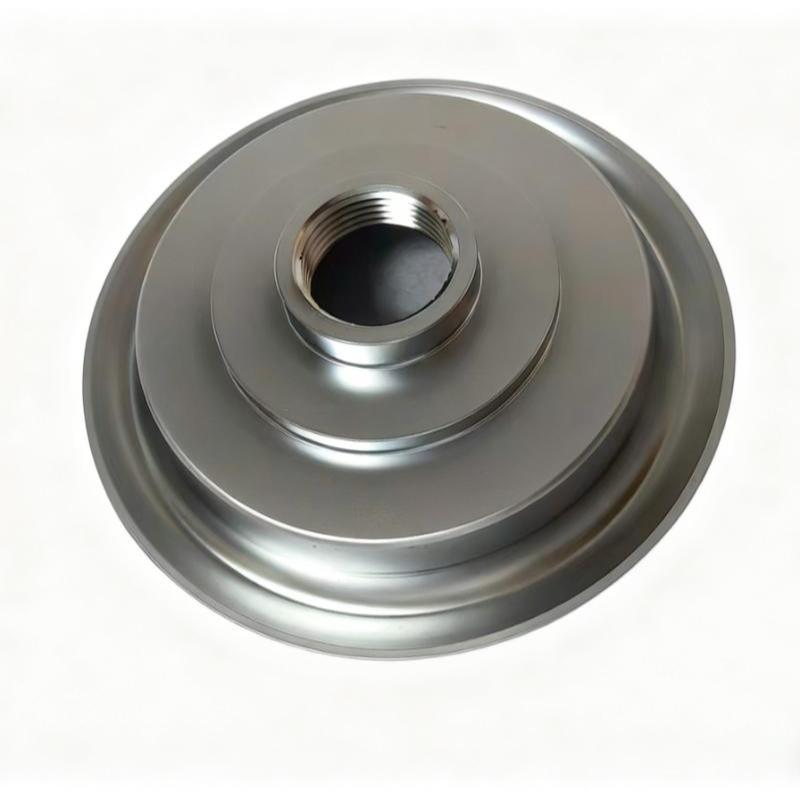
Coating a layer of another metal on the surface of the metal part, such as nickel, chrome, gold, zinc plating etc, it is corrosion-resistant, wear-resistant and has a beautiful appearance. It is suitable for metal parts.
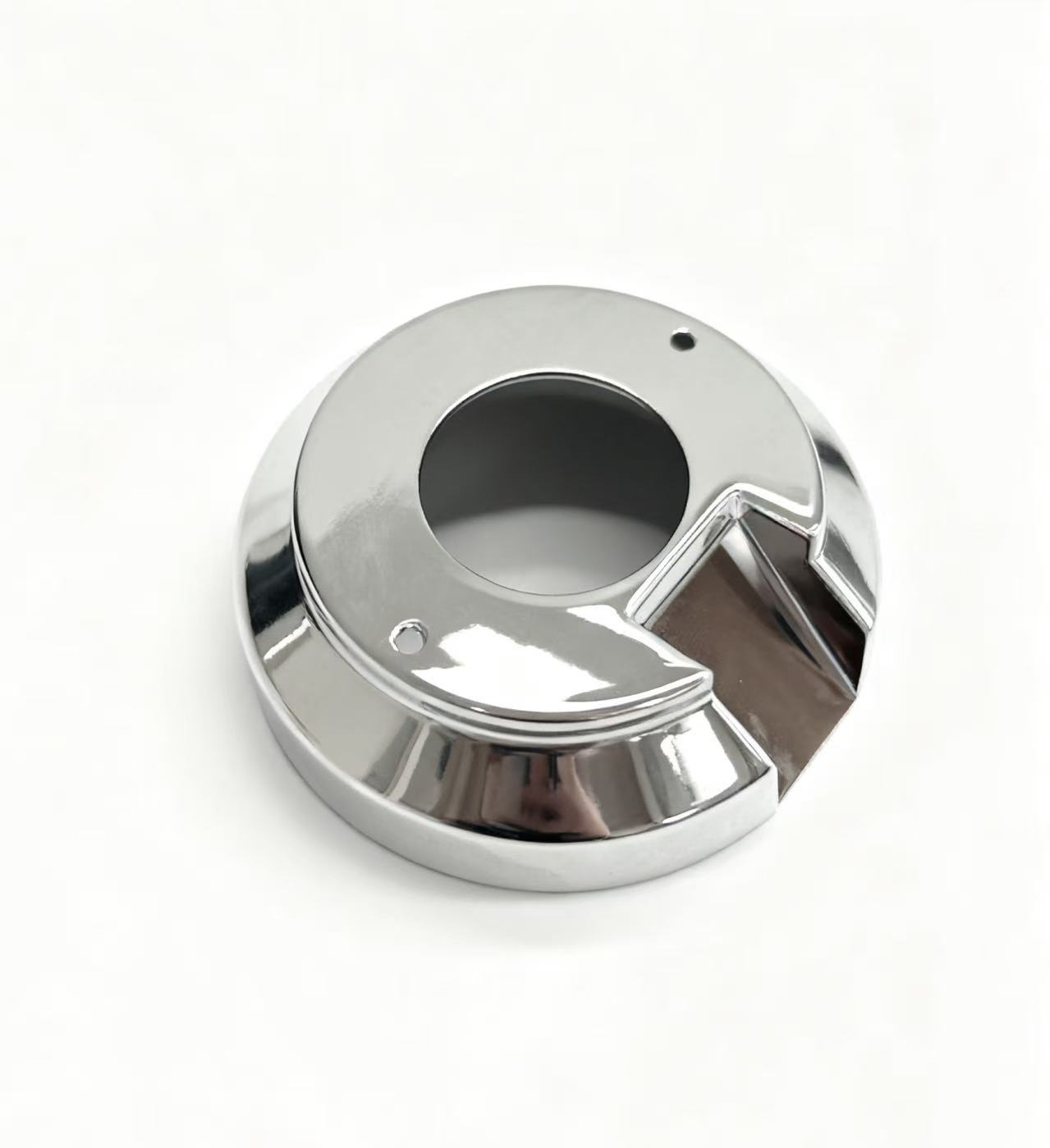
Based on the surface treatment with chemical plating solution, the parts are immersed in the plating solution to form a metal film, no need for electricity. Suitable for metals and a few plastic materials (ABS, PP, PC).
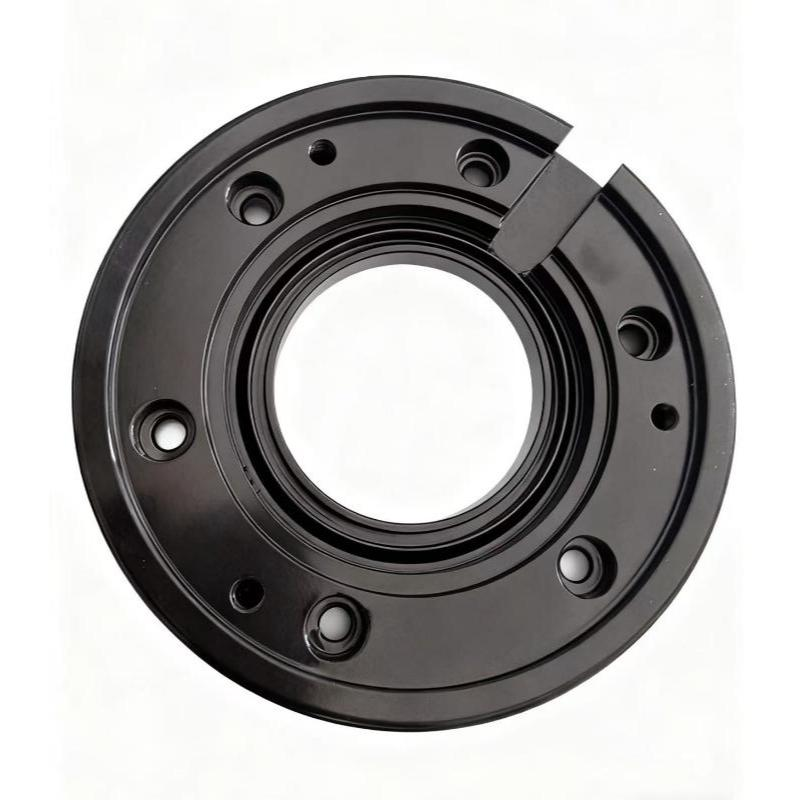
Using the charged particles in the solution to form a uniform coating on the surface of the parts. Suitable for metal parts.
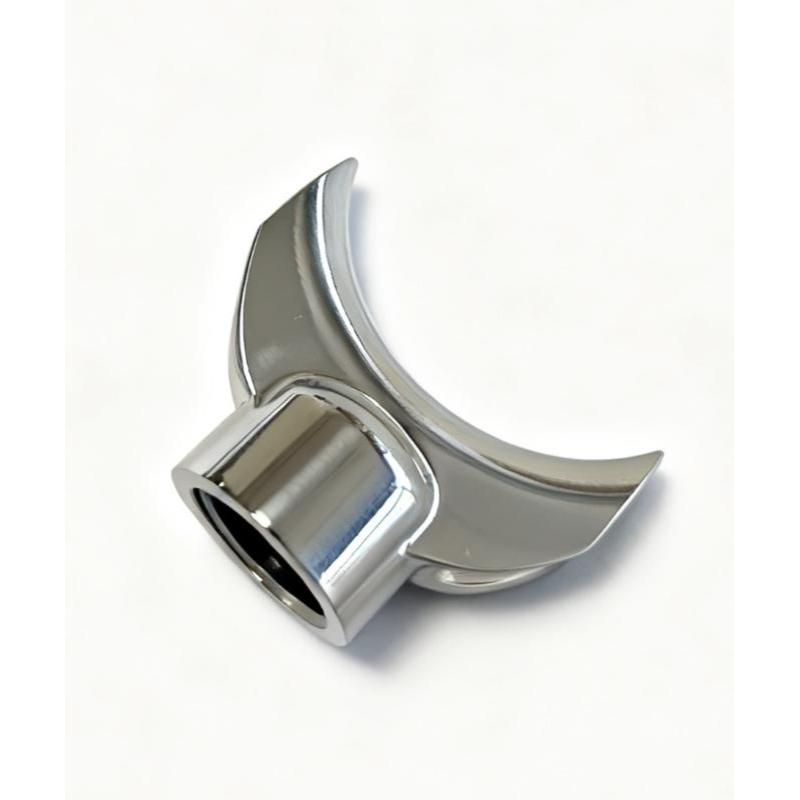
Reduce the surface roughness of the parts and achieve a shiny, smooth and mirror-like surface effect. Applicable to metal parts and plastic parts.
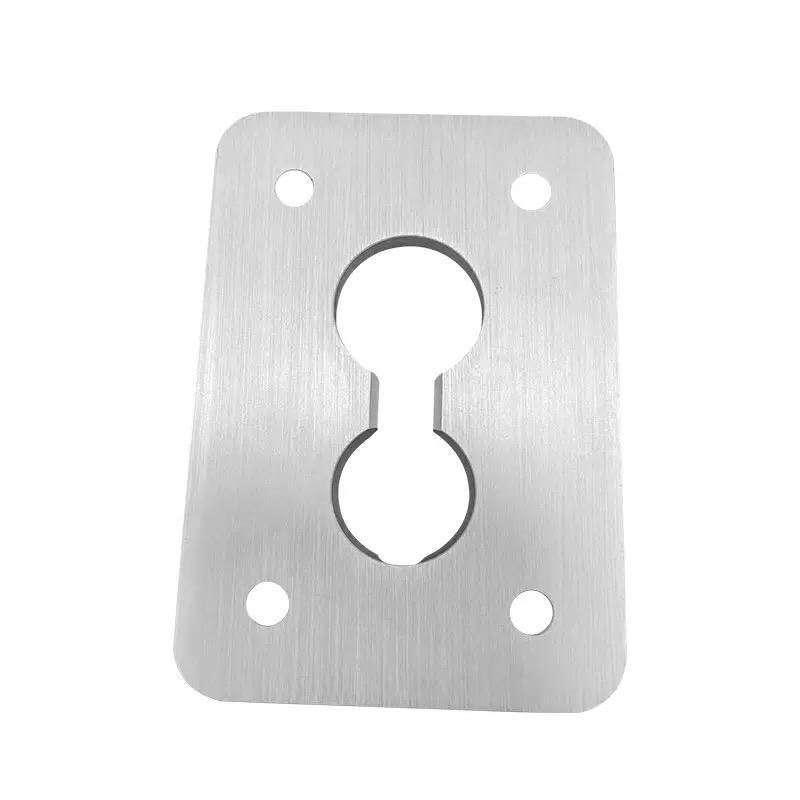
By grinding the surface of the parts to create lines, a fine and lustrous effect is achieved. Applicable to metal parts.
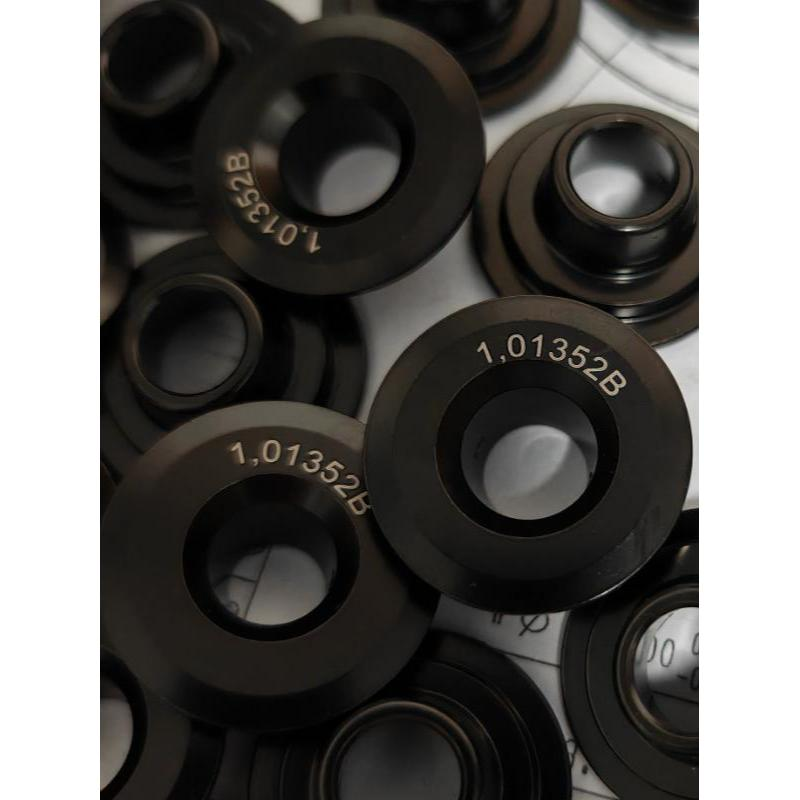
Using high-energy-density lasers to irradiate specific areas of the parts, special marks are left. Applicable to metal and plastic parts
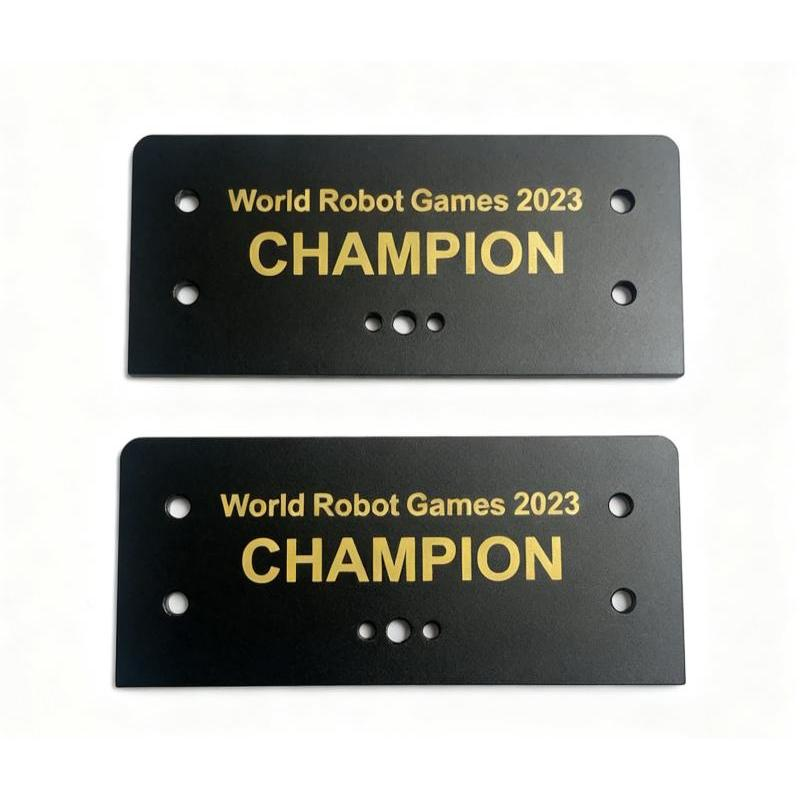
Press the screen-printed plates with graphics and text onto the surface of the parts, and offer a wide range of color options. Suitable for metal and plastic parts.
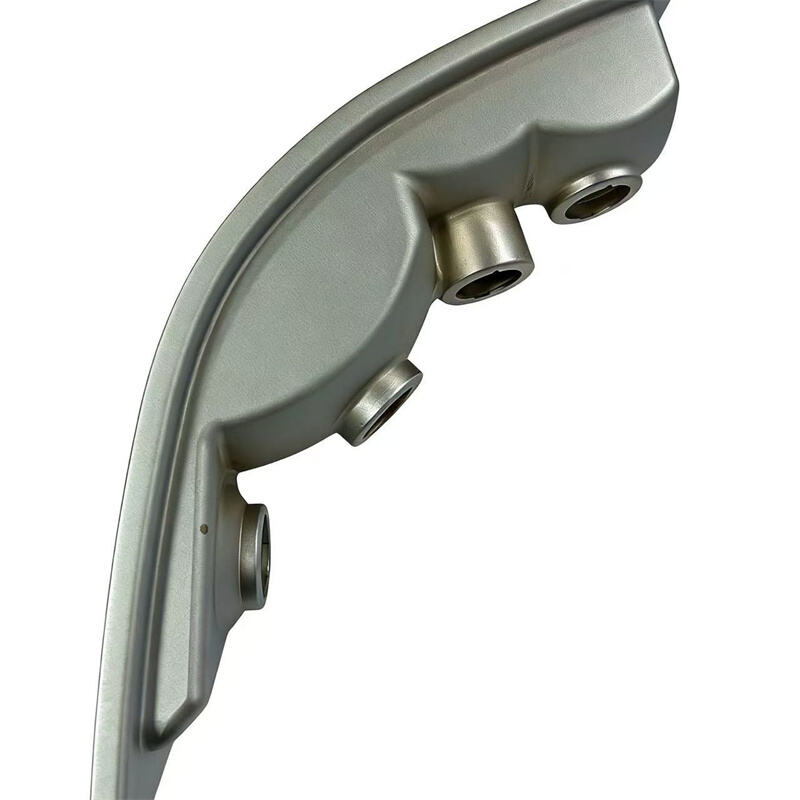
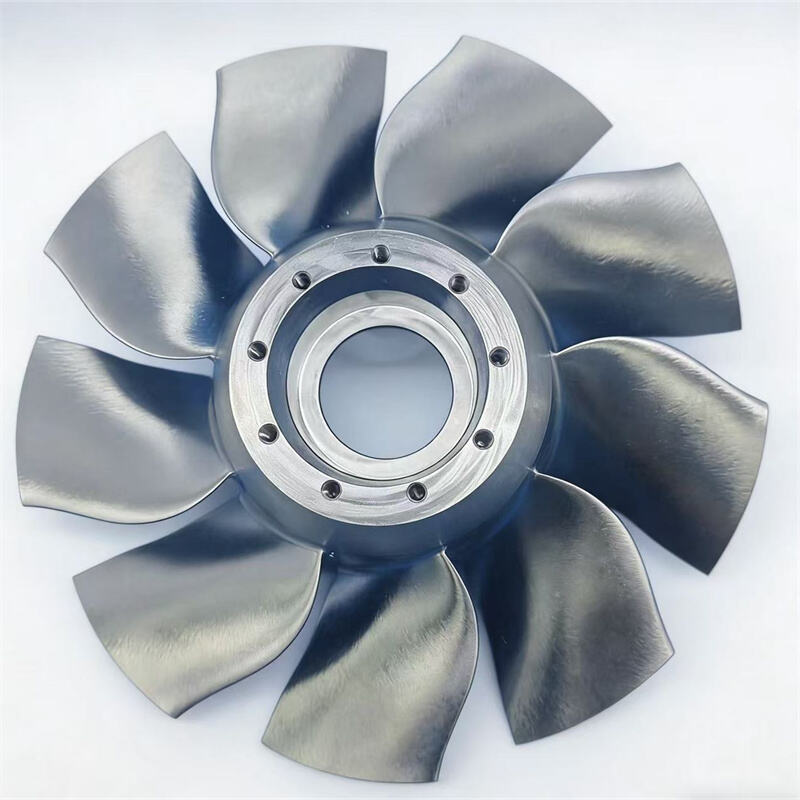
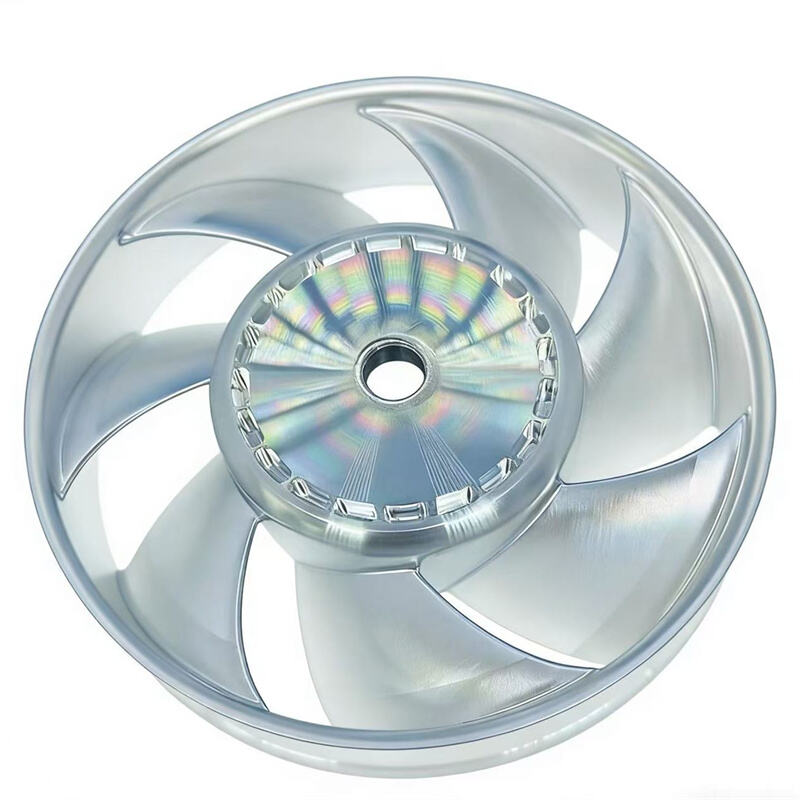
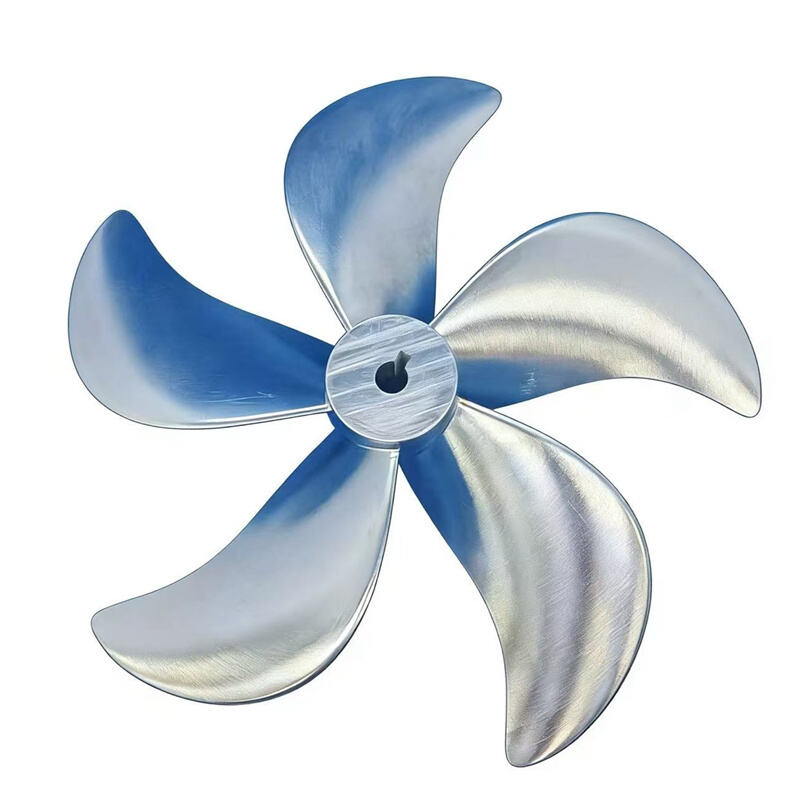
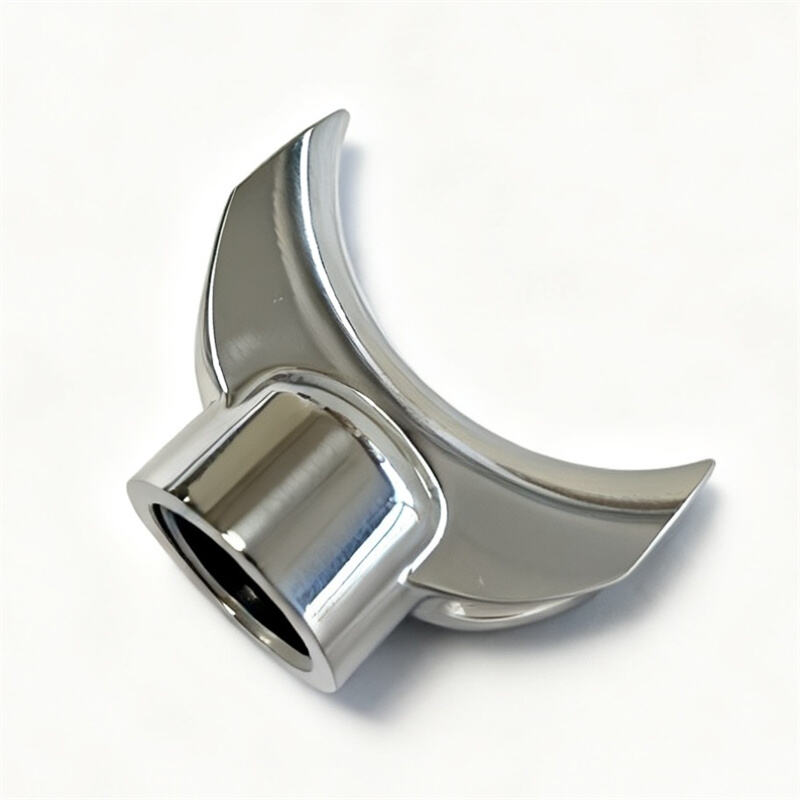
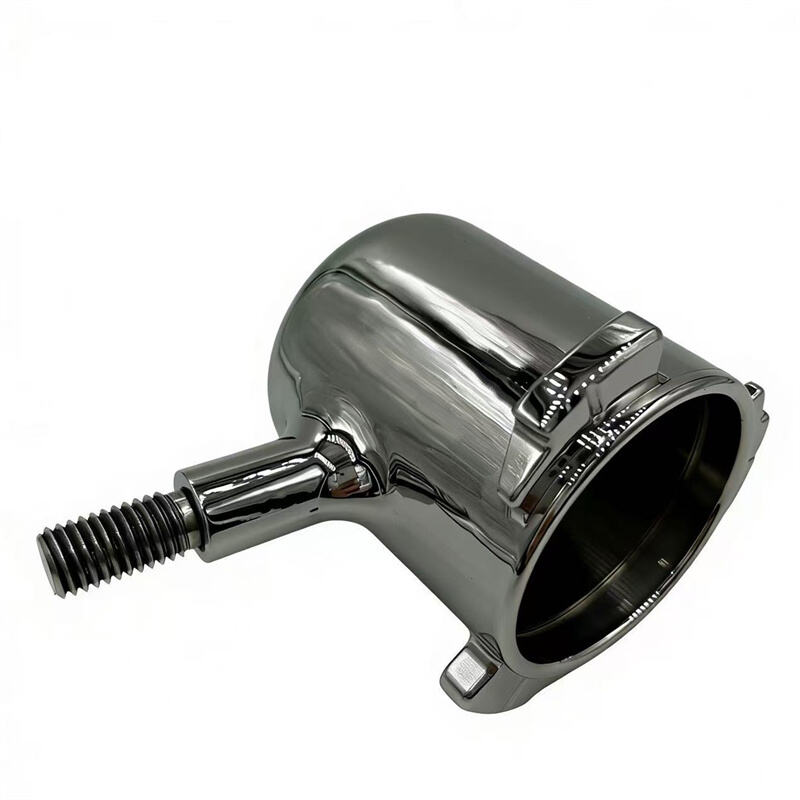
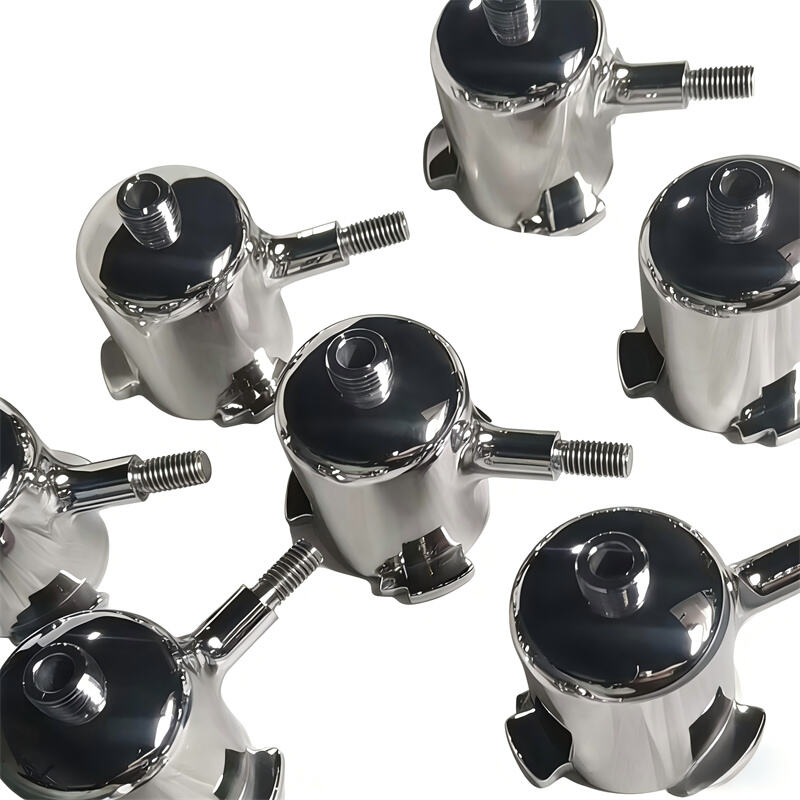
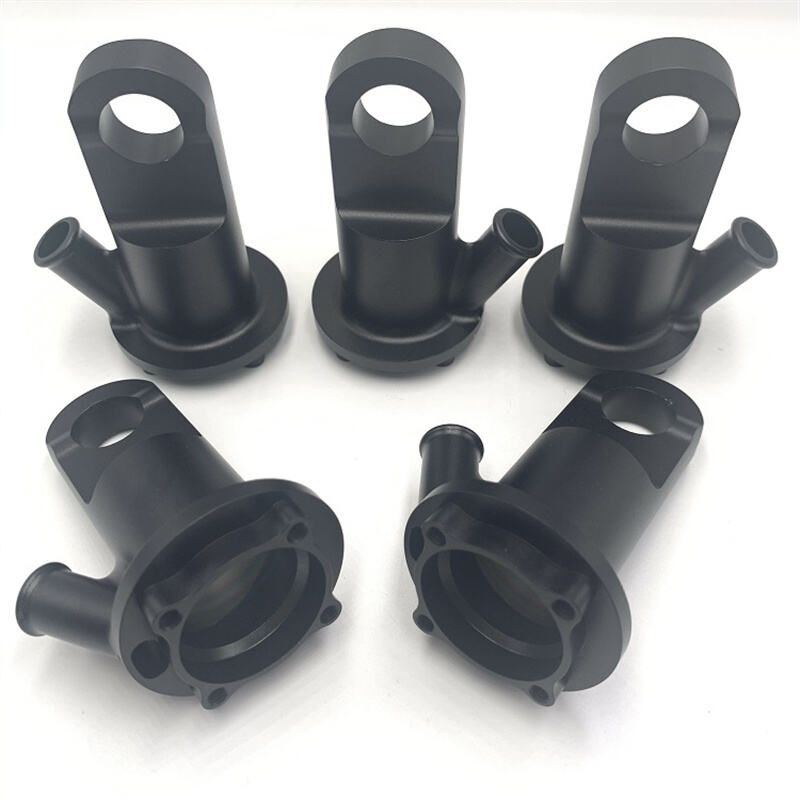
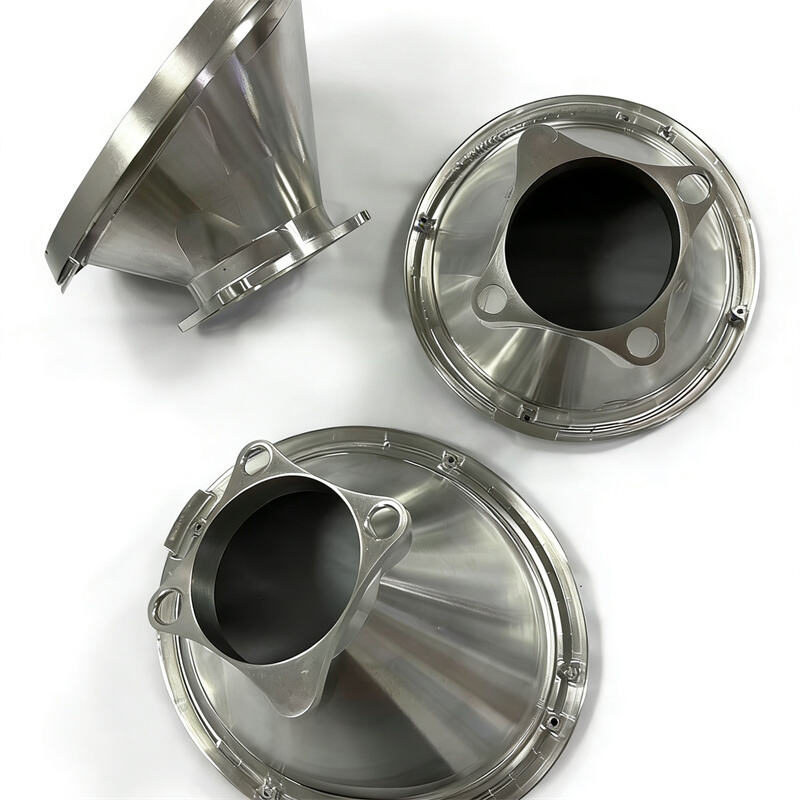
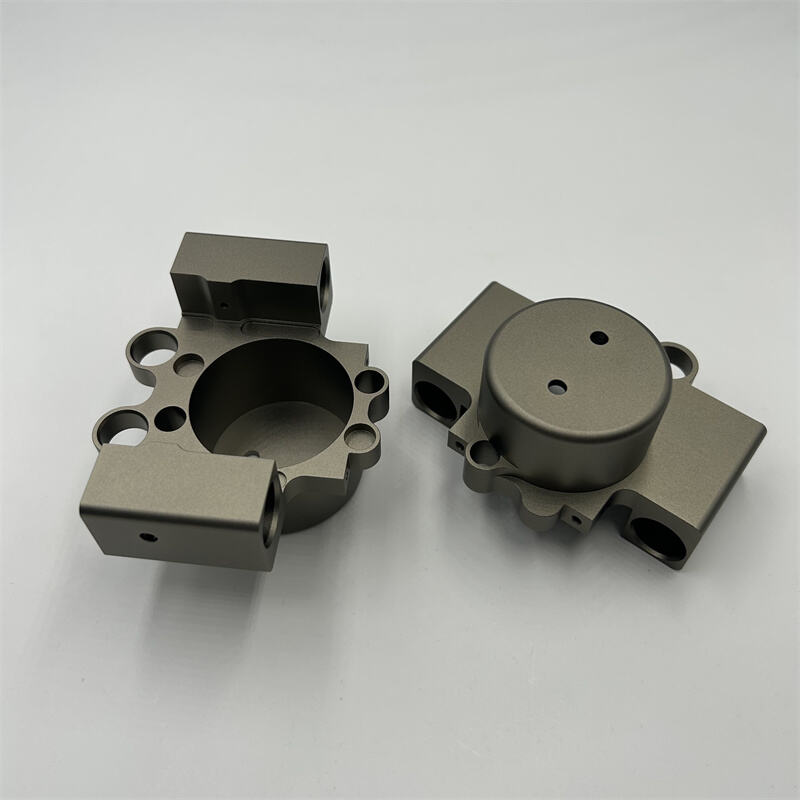
SJ-MFG’s standard tolerances of 5-axis CNC machining are applicable to ISO 2768 (medium) for plastic machining and ISO 2768 (fine) for metal machining. If the customer has specific requirements for more stringent tolerances, please provide a 2D technical engineering drawing that includes complete tolerance specifications. Our engineering team will communicate with you about the key dimension tolerances and provide the highest possible accuracy.
We produce high-quality and precise complex 5 axis CNC parts for our customers, with first-class dimensional stability.
|
Maximum processing dimensions: Maximum diameter 350mm. |
|
Minimum processing dimensions: Minimum diameter 25mm. |
|
General tolerance: ±0.1mm, best tolerance can meet ±0.005mm. |
|
Production time: Simple small 5-axis parts can usually be completed within 5 days. Large-sized complex structural components usually take 8 to 10 days. |
Five-axis machining of parts is widely used in various demanding fields such as aerospace (e.g. blades, fuselage frames), healthcare (e.g. implants, dental parts), automotive (e.g. molds, complex parts), energy (e.g. turbine blades), and mold manufacturing (e.g. shoe molds, plastic molds).
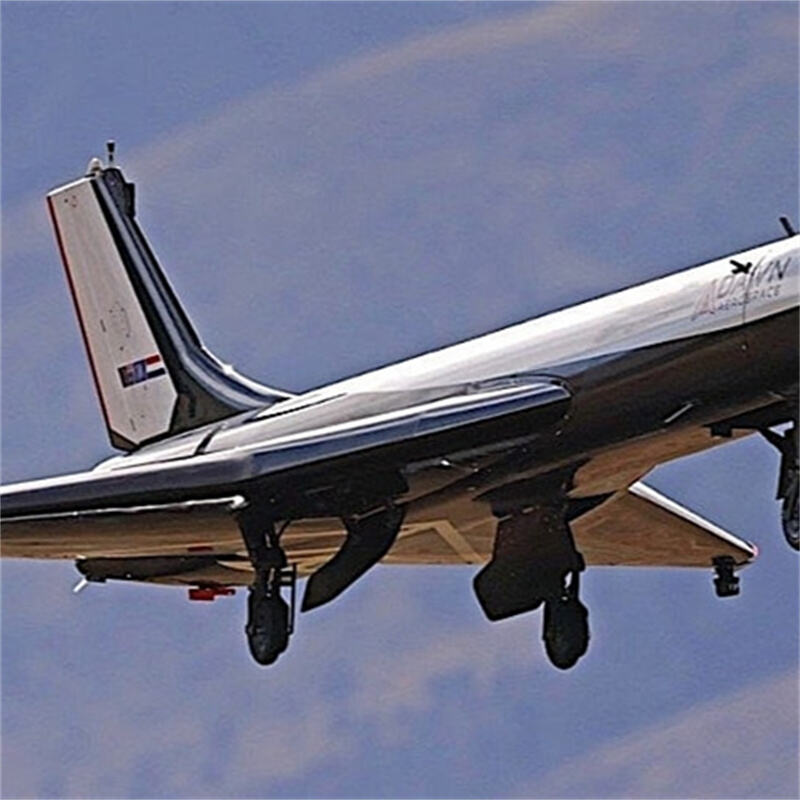
Aircraft engine turbine blades, rotors, casings, satellite components, complex structural parts of aircraft fuselage, etc., require lightweight, high strength and high precision.
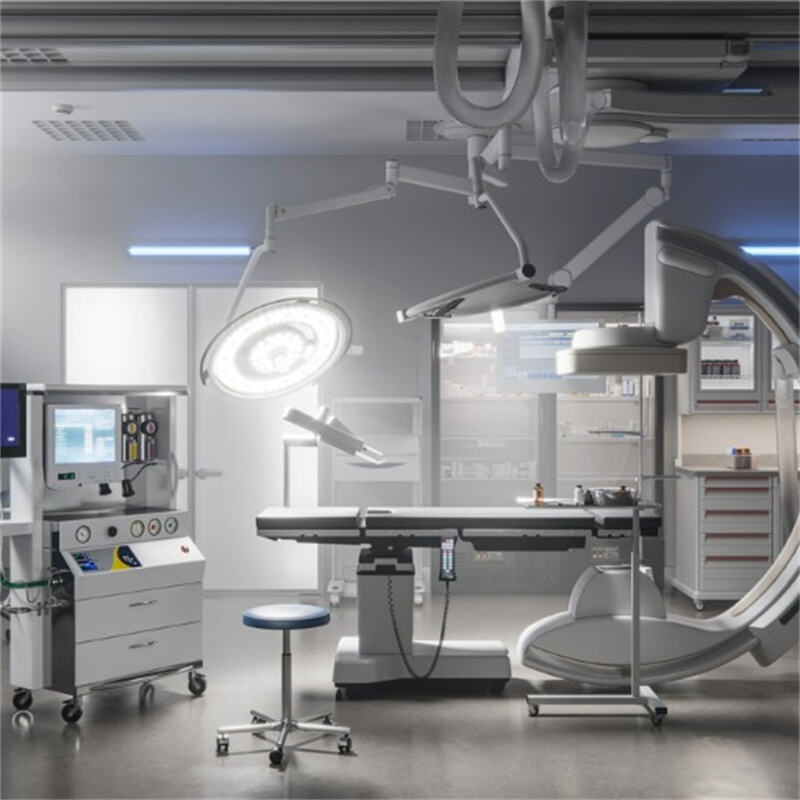
Artificial joints (hip joint, knee joint), orthopedic implants (screws, spinal fixators), dental orthodontic appliances, aiming for extremely high precision and biocompatibility.
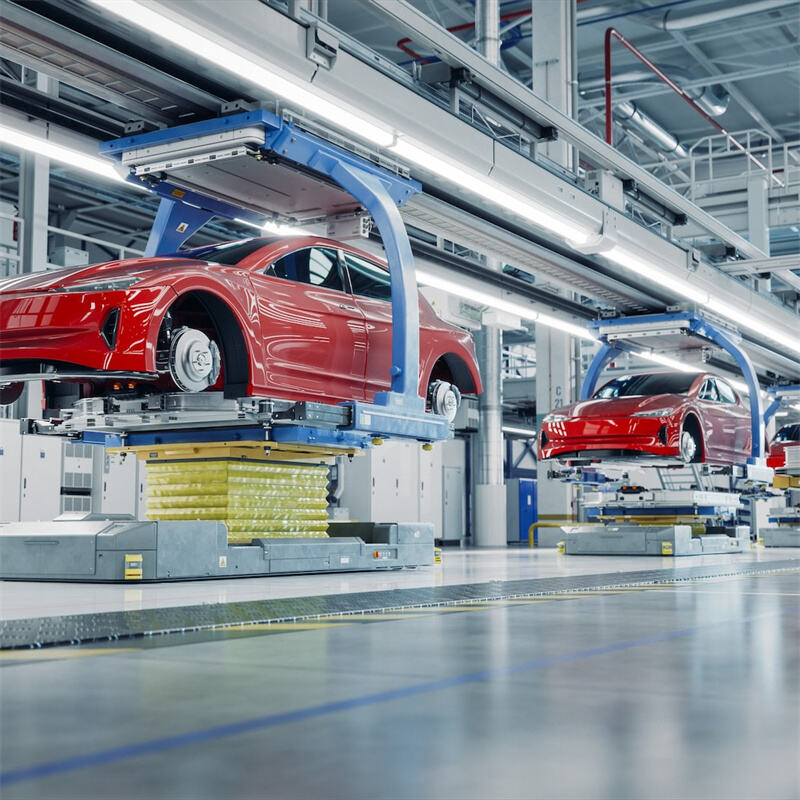
Engine block/cylinder head, crankshaft, connecting rod, complex components of chassis, enhancing performance and reducing weight.
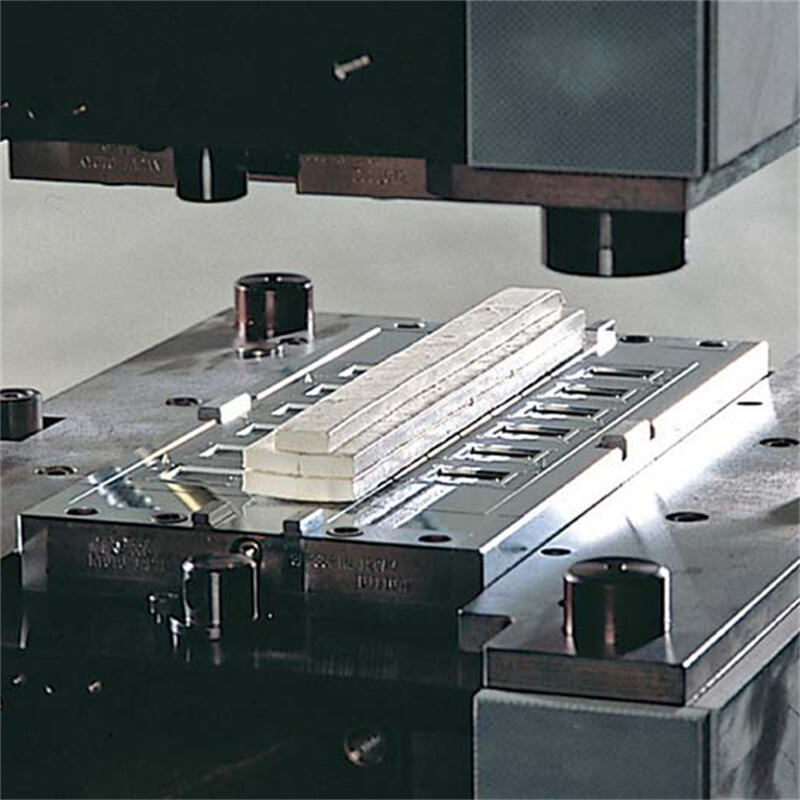
Complex cavities for high-end injection molds and blow molding molds, achieving high surface finish。
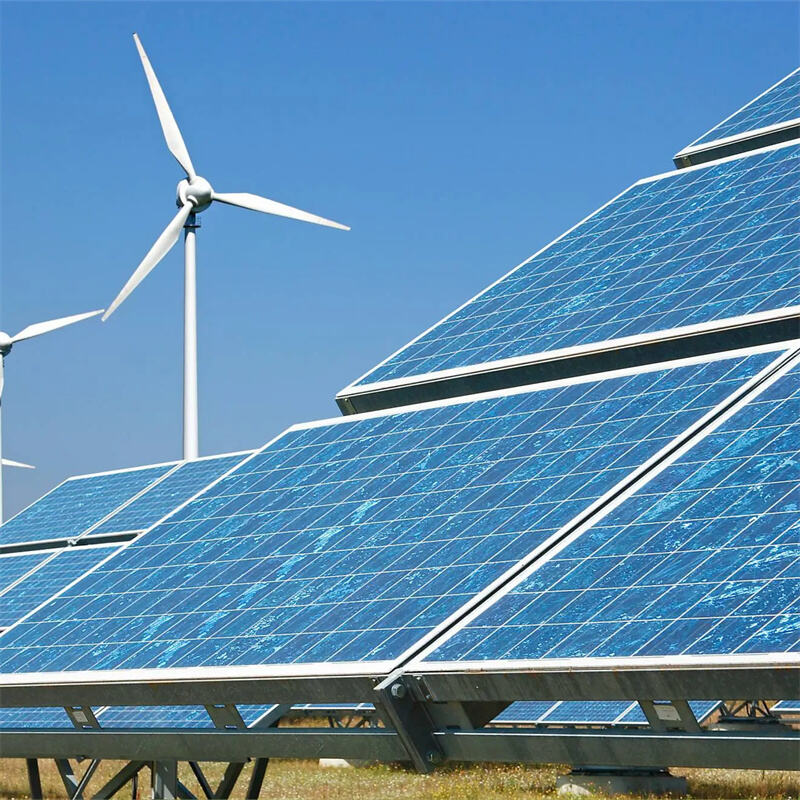
Wind turbine blades, compressor blades, complex components of oil drilling equipment, precision parts of solar energy equipment.
Steering knuckles, connecting arms, and other highly precise and complex components
Advantages of five-axis machining:
1. Strong processing capability for complex shapes: It can process complex curved surfaces and parts with multiple angles.
2. Enhances production efficiency: Five-axis processing reduces the number of tool changes and re-clamping during the processing.
3. Enables multi-directional processing: The spindle of five-axis processing can rotate and tilt in multiple directions, and perform cutting at any angle.
The disadvantages of five-axis machining:
1. High equipment investment cost: The investment cost of five-axis processing equipment is relatively high.
2. Difficult programming and operation: The programming and operation of five-axis processing are quite challenging.
3. High requirements for tools and tool wear: In five-axis processing, the quality and lifespan of tools are highly demanded.
 EN
EN