
What is Anodizing of Aluminum Alloy?
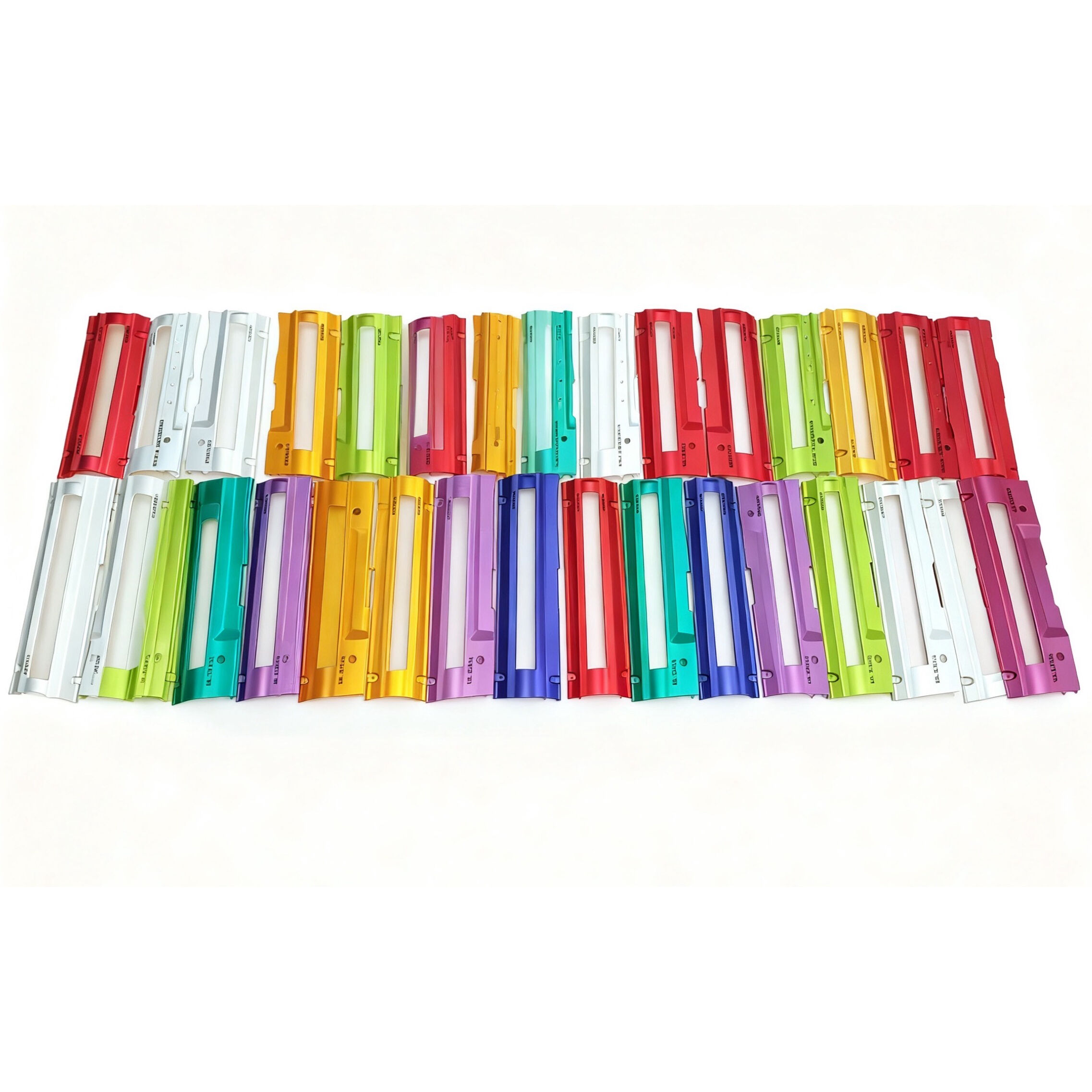
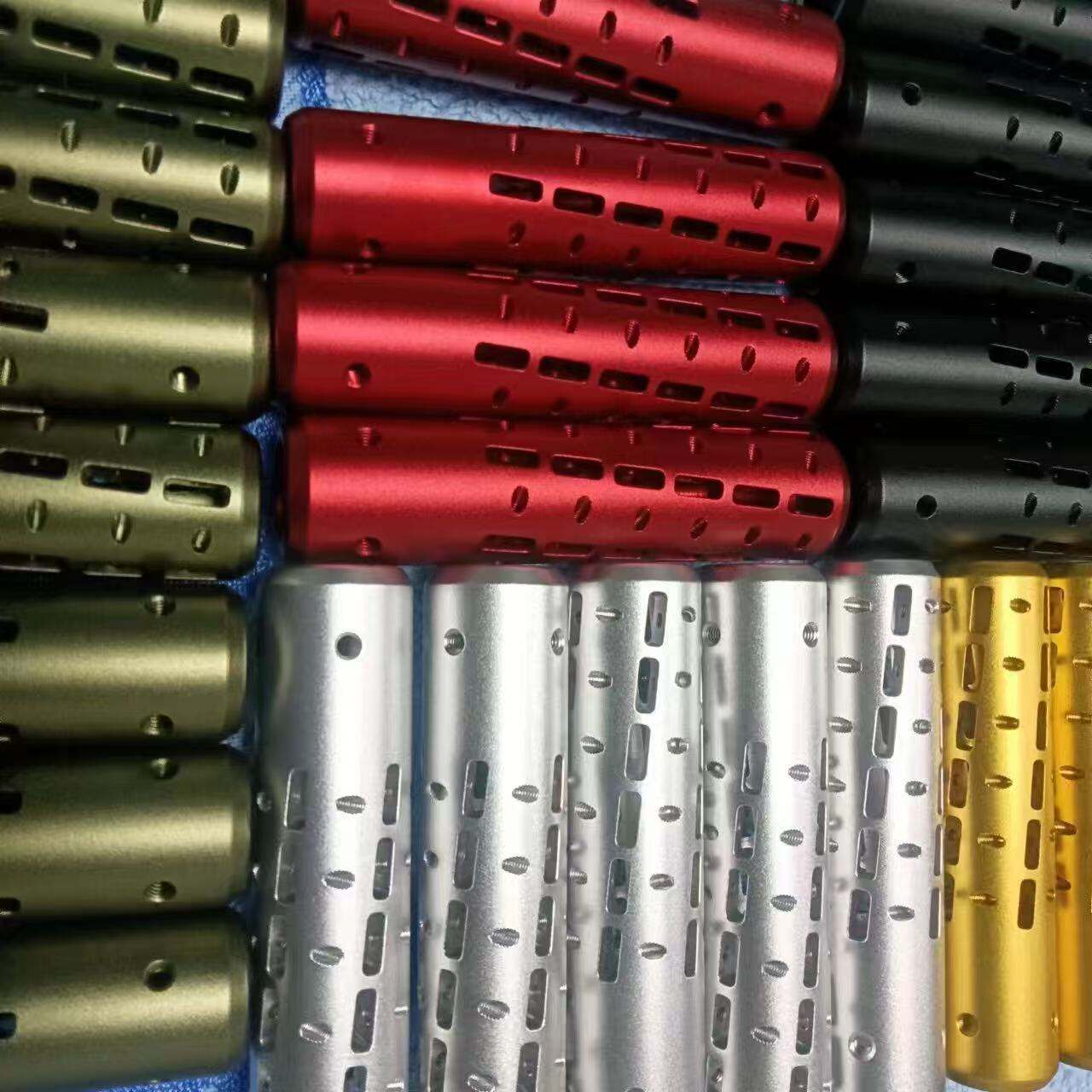
In simple terms, anodizing is a process that generates a hard, stable and porous aluminum oxide (Al2O3) film on the surface of aluminum alloys through an electrochemical method. The anodized film is highly hard, corrosion-resistant and has excellent performance. Moreover, it can adsorb dyes to achieve a multi-colored appearance.
Core principle:
1. Use an aluminum product as the anode, and connect it to the positive terminal of the power supply.
2. Use an inert electrode as the cathode, and connect it to the negative terminal of the power supply.
3. Place both of them together in a specific acidic electrolyte (such as sulfuric acid, oxalic acid, etc.).
4. After applying electricity, the aluminum serving as the anode will lose electrons and combine with oxygen ions in the electrolyte to form an aluminum oxide layer on its surface.
The main purposes and advantages of anodizing
1. Enhance corrosion resistance: The oxide film effectively isolates the aluminum substrate from the external environment, prolonging the lifespan of the workpiece.
2. Improve wear resistance: The oxide film (especially hard anodizing) has extremely high hardness, comparable to high-quality steel, and is very wear-resistant.
3. Provide decorative properties (coloring):
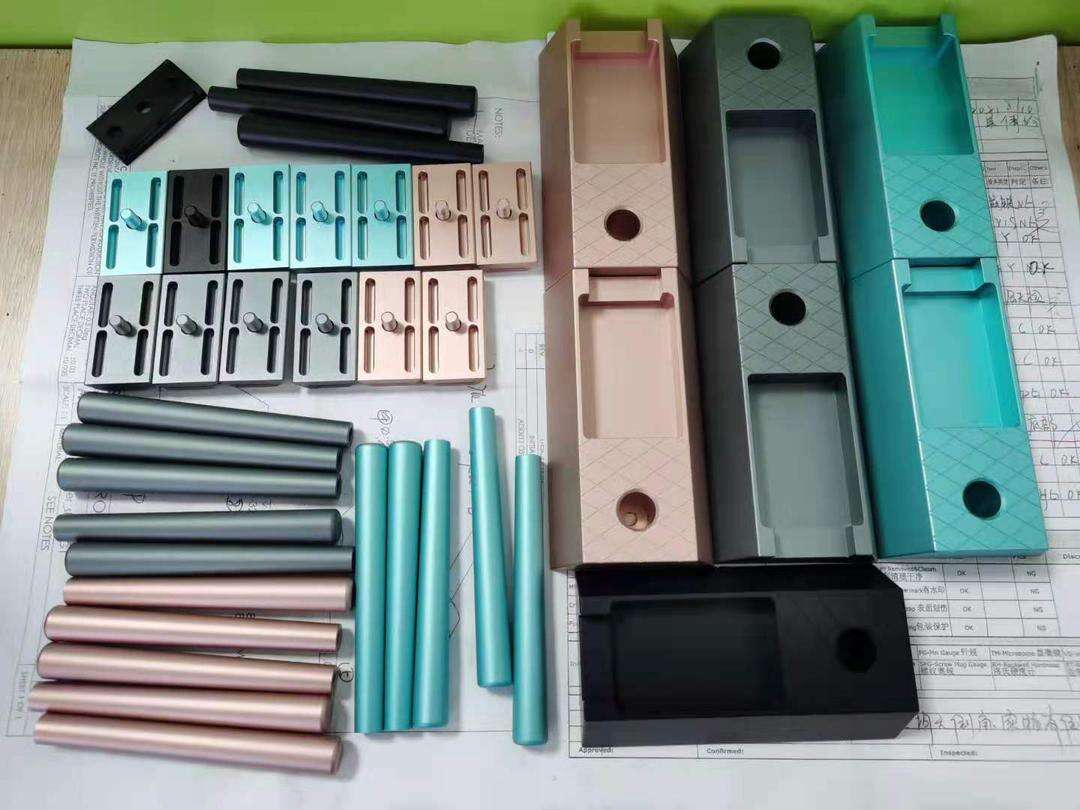
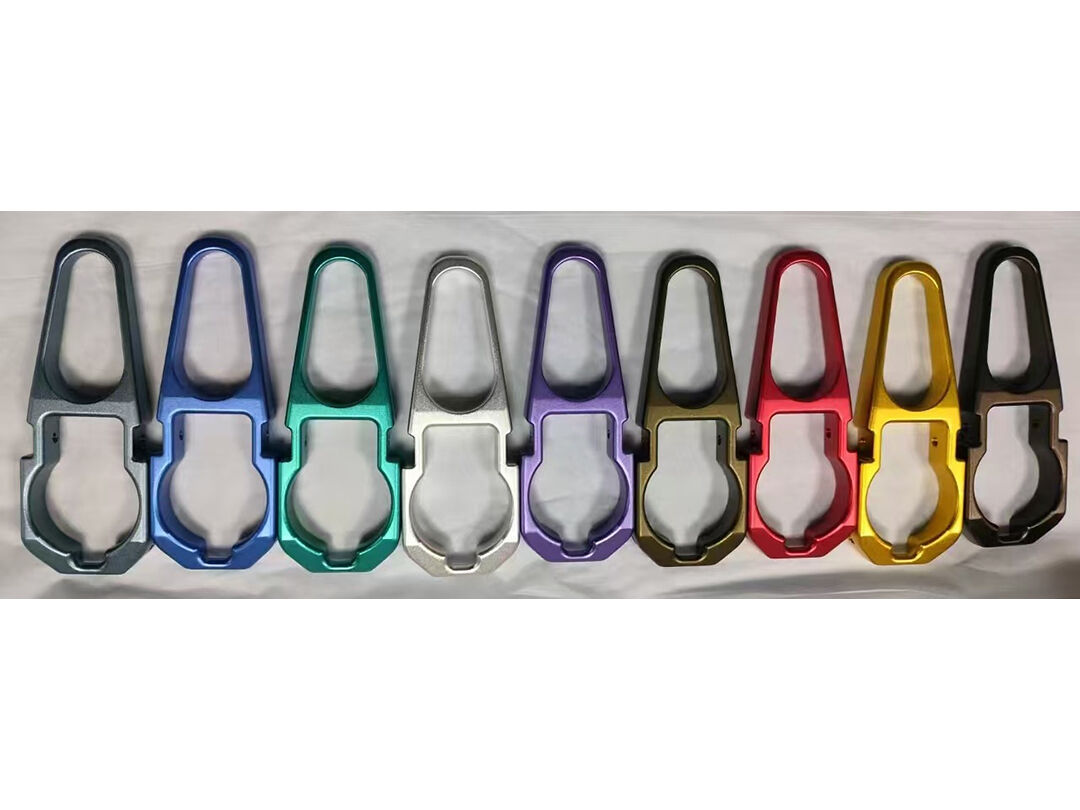
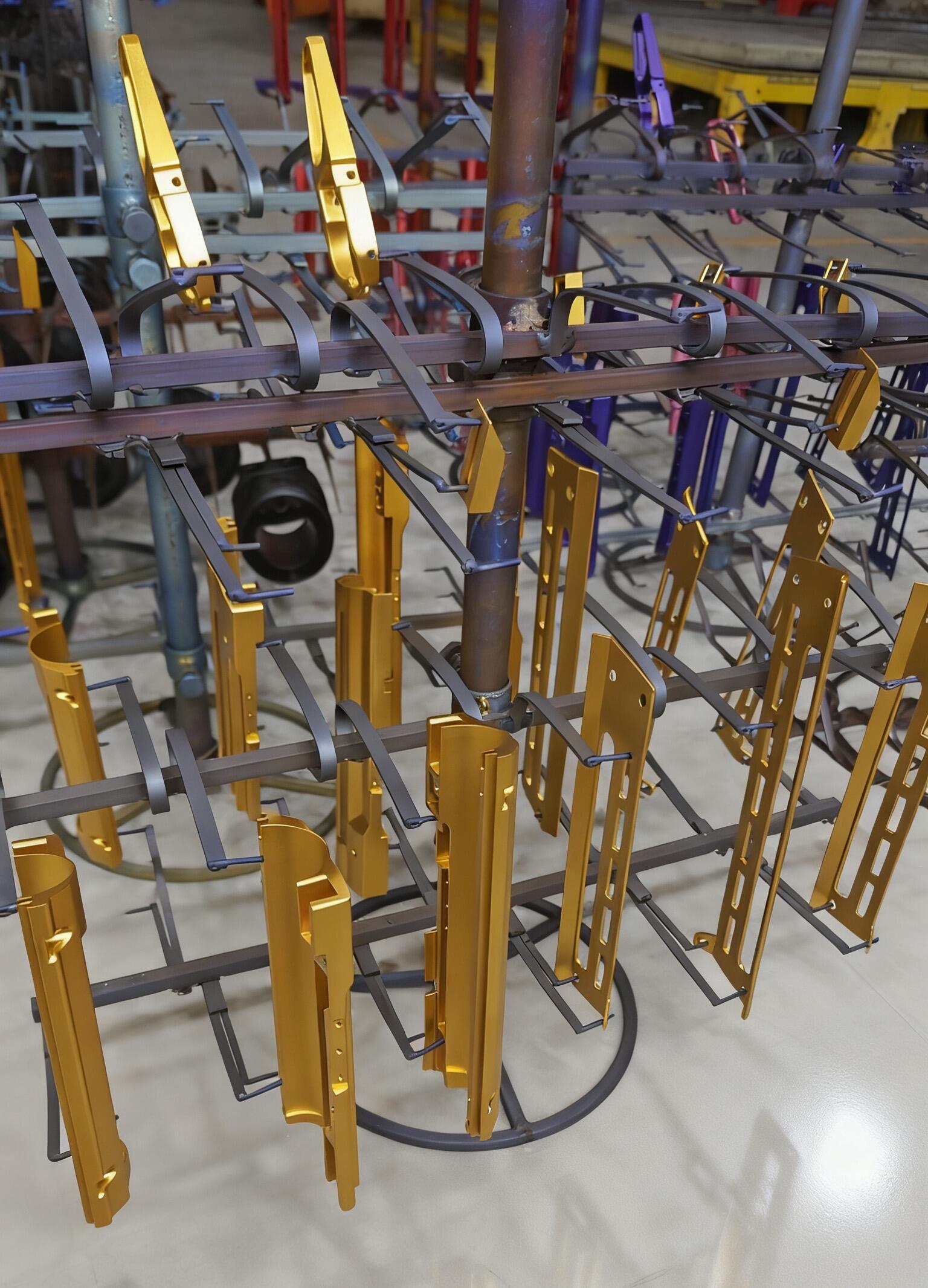
•Dyeing: Due to the porous structure of the oxide film, it can easily absorb dyes, enabling various bright colors.
•Electrolytic coloring: Through the deposition of metal ions at the bottom of the membrane pores, a series of colors such as bronze, black, and golden yellow are produced, with better color durability.
Improve surface insulation: Aluminum oxide itself is a good insulator. This layer of film can serve as an insulating layer for aluminum electrical components.
The basic process flow of anodizing
1. Pre-treatment-This is the key factor determining the appearance quality of the finished product!
•Decontamination: Remove the oil stains on the surface.
•Alkali etching: Use a hot alkaline solution to slightly corrode the aluminum surface, removing the natural oxide film and minor scratches, and forming a matte surface.
•Chemical polishing/Electro-polishing: Use chemical or electrochemical methods to achieve a mirror-like bright effect on the surface.
•Neutralization (brightening): Use an acid solution to remove the grayish-black residue left after alkali etching, making the surface clean.
Anodizing
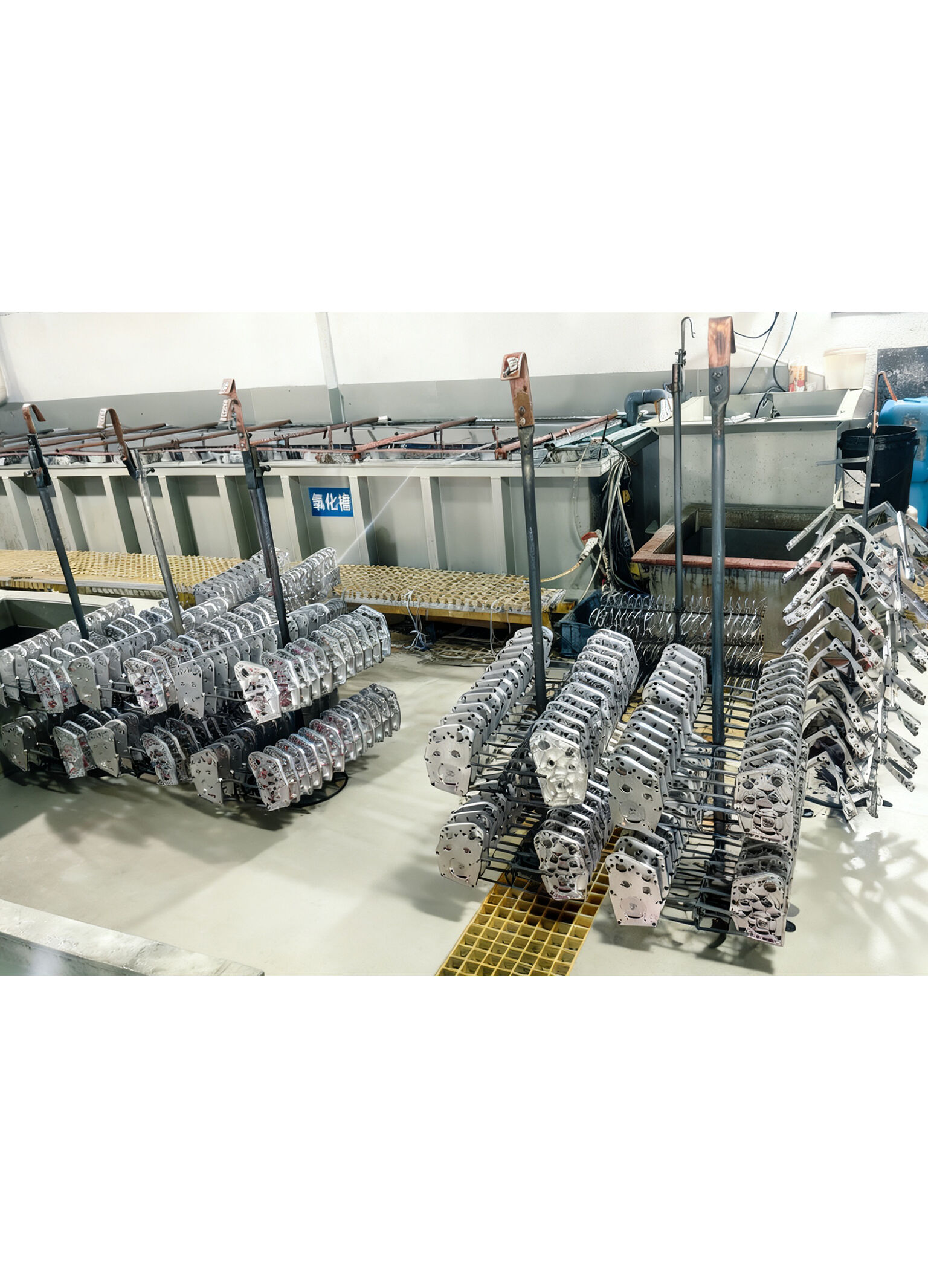
• Place the processed aluminum parts onto the fixture and then put them into the oxidation tank.
• Apply direct current and let them react under the set temperature, time, current density and electrolyte concentration. These parameters directly determine the thickness, hardness and porosity of the oxide film.
Coloring (optional)
•Adsorption coloring: Immersing the oxidized workpiece in an organic or inorganic dye solution.
•Electrolytic coloring: Coloring in a solution containing metal salts through alternating current.
•Natural coloring: Directly generating a specific color during the oxidation process (for example, yellow tone can be obtained through oxalic acid oxidation).
Sealing the hole- This is the final crucial step in determining the performance (corrosion resistance, wear resistance, color retention)!
•Objective: To seal the porous oxide film, making it inactive and stable.
•Hot water sealing: The most traditional method. Alumina reacts with water to form hydrated alumina, causing the volume to expand and sealing the pores.
•Medium/low temperature/cold sealing: The use of sealing agents containing substances such as nickel and fluorine results in higher efficiency and lower energy consumption.
•High-temperature steam sealing: The best performance, but at a high cost.
Main types
Sulfuric acid anodizing
The most common and widely used type.
• Advantages: Transparent colorless, thick film layer, good adhesion, easy to dye, low cost.
• Applications: Architectural aluminum profiles, consumer electronics, general decoration and protection.
2. Hard Anodic Oxidation
It is essentially an "enhanced version" of sulfuric acid anodic oxidation, usually carried out at low temperatures (0-5°C) and with high current density.
•Advantages: The film layer is extremely thick (up to 50-100 μm or more), has extremely high hardness (HV > 400), and has excellent wear resistance.
•Applications: Components that require high wear resistance, such as pistons, cylinders, bearings, guides, and military equipment.
3. Chromic Acid Anodic Oxidation
The electrolyte used is chromic acid.
•Advantages: The film layer is thin, soft, has good corrosion resistance, has little impact on the fatigue strength of the workpiece, and the color is grayish white.
•Disadvantages: High environmental pressure (the problem of hexavalent chromium), the application is gradually decreasing.
•Applications: Aerospace, structural components with high fatigue performance requirements.
4. Oxidation with Oxalic Acid
The electrolyte used is oxalic acid.
•Advantages: The film layer has high hardness and good electrical insulation properties, and it can be yellow in color by itself.
•Disadvantages: The cost is relatively high and the electrolyte is somewhat toxic.
Applications: Electrical insulation layer, decorative coating.
Summary
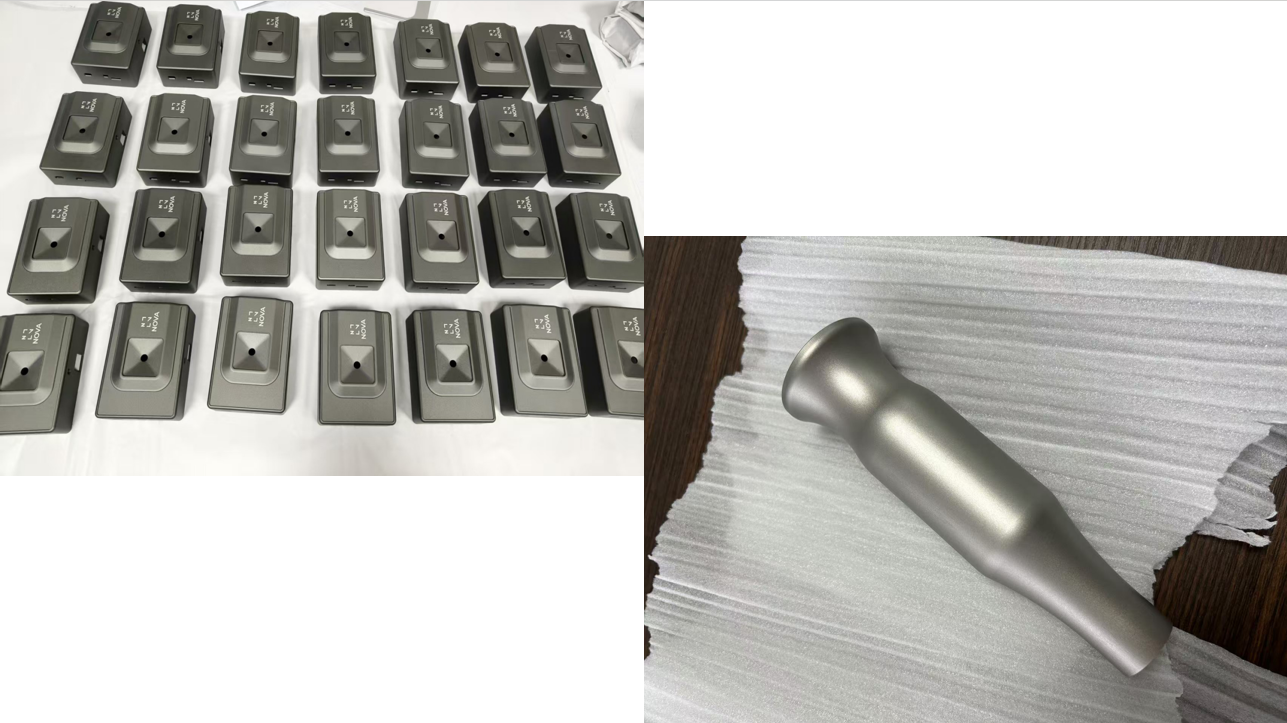
Aluminum alloy anodizing is a highly mature and powerful surface treatment technology that perfectly combines aesthetics and functionality. From the smartphones and laptops we use daily, to the highly sophisticated aerospace and military equipment, all of these are supported by anodizing technology. Understanding its principles, processes, and design points is crucial for product designers, engineers, and enthusiasts.
 EN
EN