
Five-Axis CNC Machining: Comprehensive Introduction And Analysis.
I. What is 5-Axis CNC machining?
5-Axis CNC machining refers to an advanced CNC processing technology that, in addition to the three linear axes (X, Y, and Z), adds two rotational axes, enabling the tool or workpiece of the machine to move freely in five degrees of freedom.
Core understanding: It enables the tool and the workpiece to move in five directions, thus allowing for the processing of complex spatial curved surfaces with a single setup.
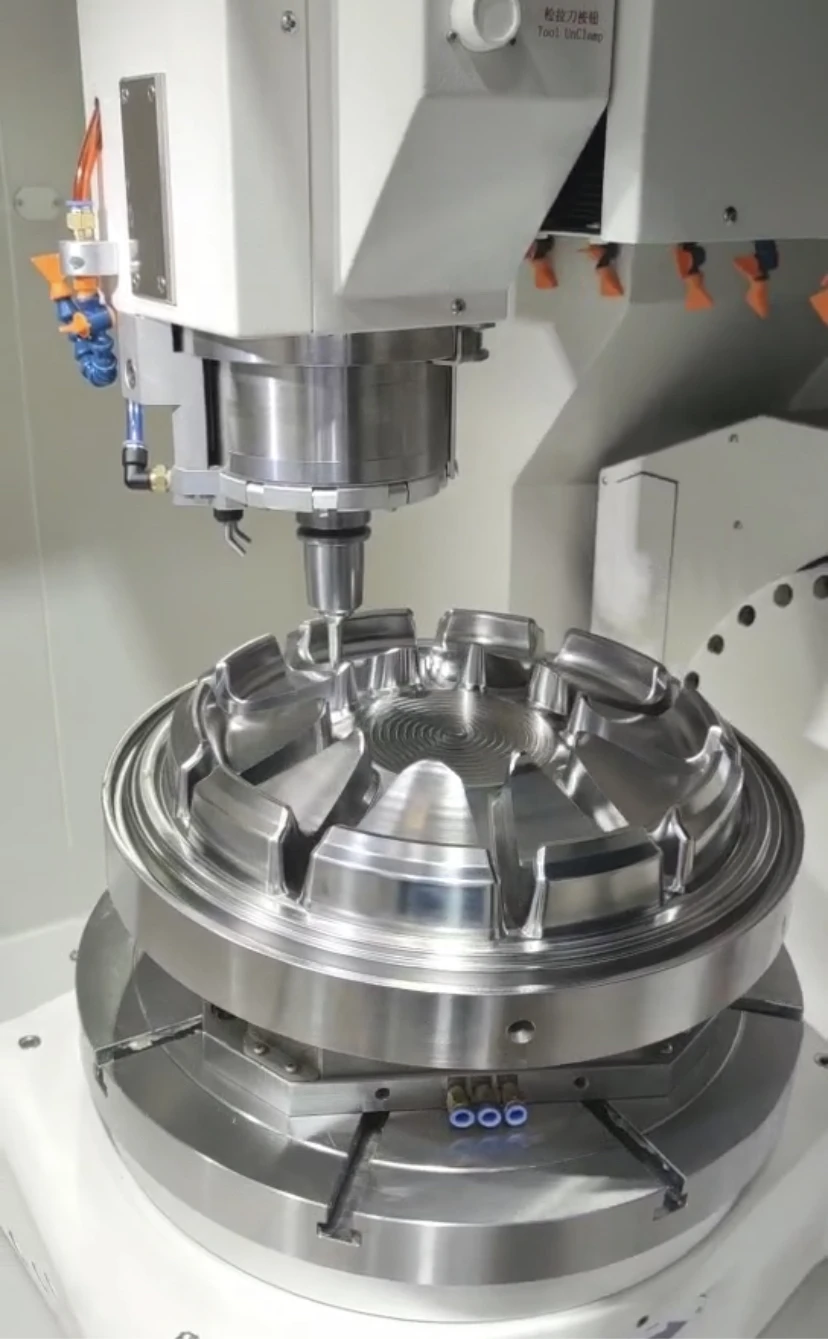
Two main structural forms:
1. Dual-rotary table type: Both rotation axes (such as A axis and C axis) are designed on the worktable, driving the workpiece to rotate. This is the most common type and is suitable for processing small and medium-sized parts.
2. One rotary table and one swivel head type: One rotation axis is on the worktable (such as C axis), and the other is on the tool head (such as B axis), driving the tool to swing. This is suitable for processing large and heavy parts.
3. Dual-swivel head type: Both rotation axes are on the tool head. This structure is complex and is applied relatively less, mainly used in specific fields.
II. Core Working Principles and Advantages of 5-axis Machining
Core principle: Through tool tip point programming and tool radius compensation, the CNC system will calculate and coordinate the movements of the five axes in real time, ensuring that the cutting point of the tool always contacts the workpiece surface in the most optimal position.
Compared with the significant advantages of 3-axis machining:
1. One-time clamping, completing complex processing
3-axis limitation: When processing complex parts, multiple re-clamping is required to switch processing surfaces. This not only results in low efficiency but also causes cumulative errors due to changes in the reference point.
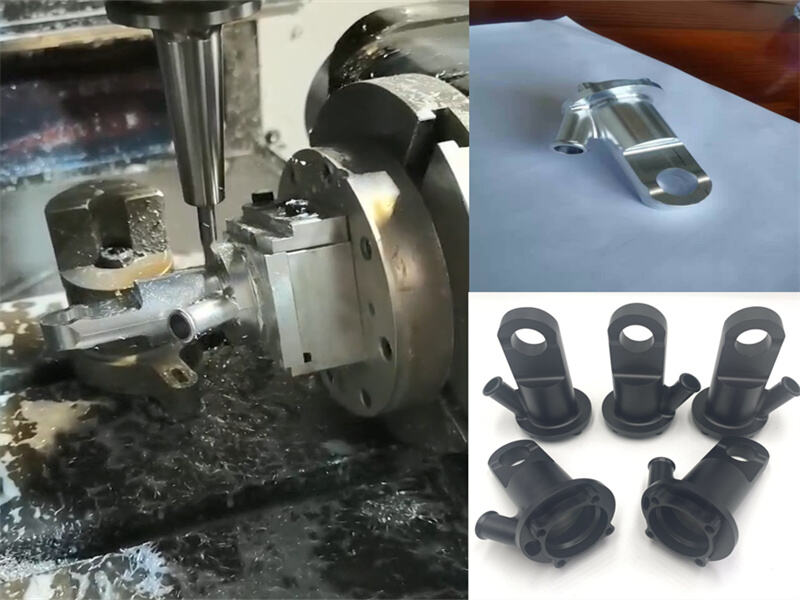
5-axis advantage: One-time clamping enables processing of all five surfaces except the bottom surface and various complex angle features. It avoids repetitive positioning errors and significantly improves processing accuracy and consistency.
2. Avoid tool interference and optimize tool posture.
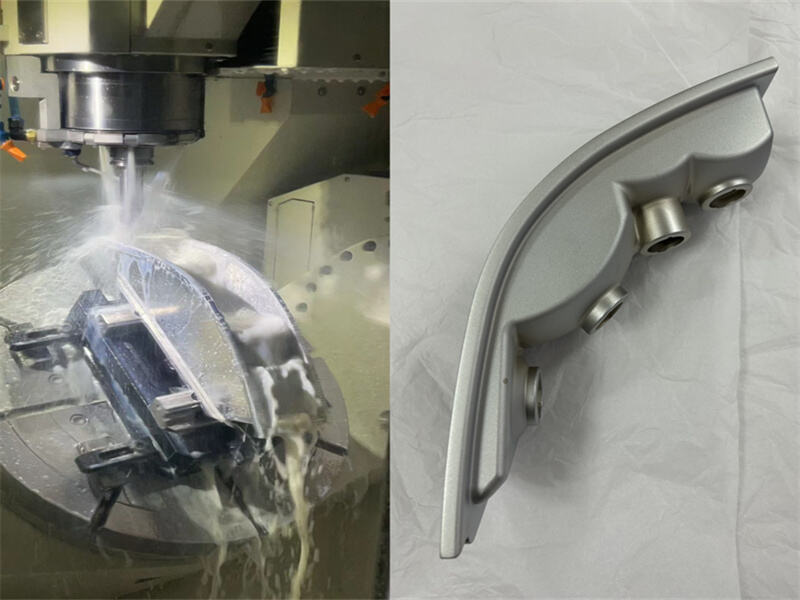
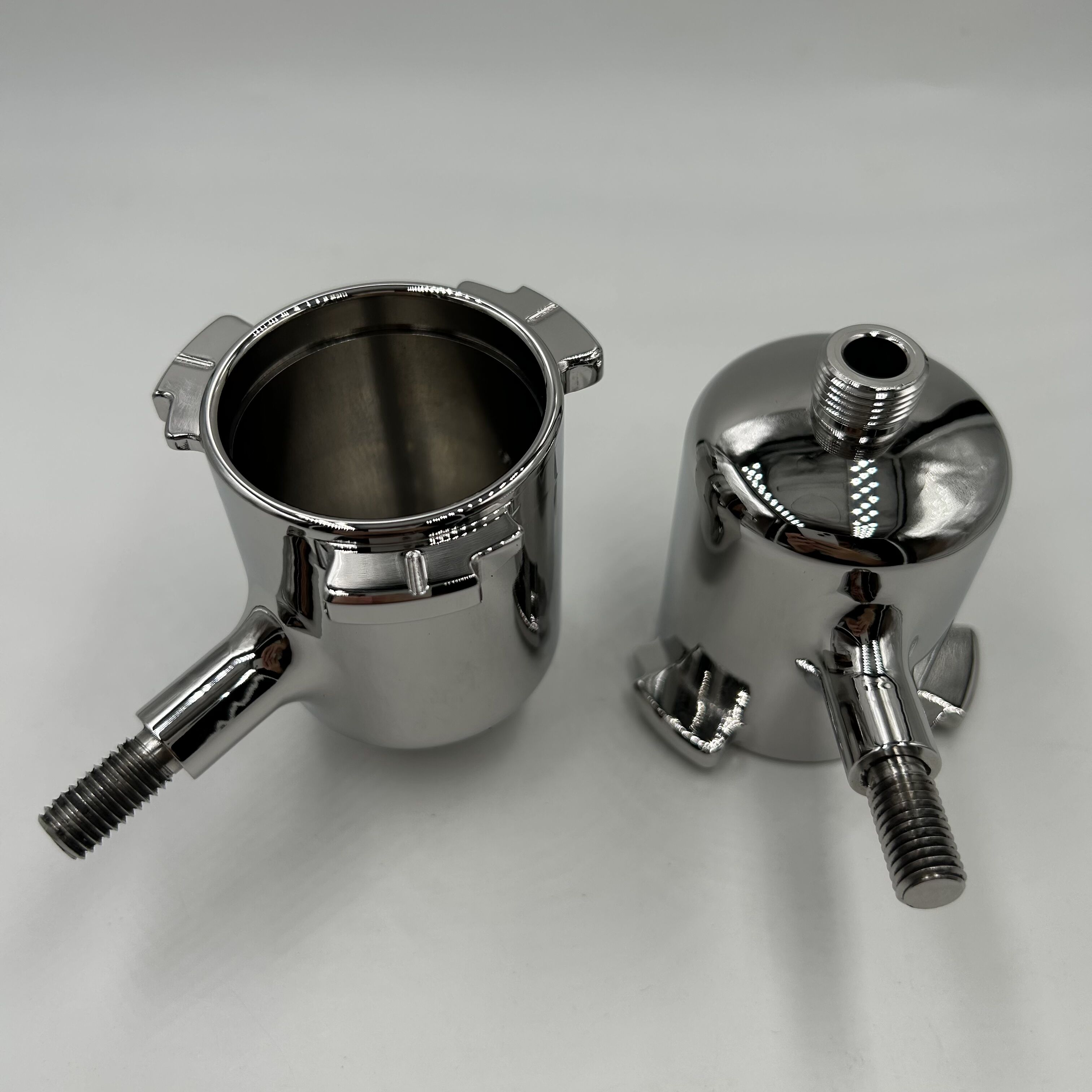
For deep cavities, side walls, or parts with hooked edges, 5-axis machining can enable the tool to swing, allowing shorter tools to approach the workpiece surface at the optimal angle. This avoids tool collisions (interference) with the workpiece. Additionally, by using shorter tools, vibrations are reduced, improving processing quality and tool lifespan.
3. Enhance processing efficiency and surface quality.
By rotating the processing surface to the optimal position, the cutting tool can maintain a nearly vertical cutting state at all times. This enables the effective utilization of the tool's linear speed, improves the cutting efficiency, and results in better surface finish.
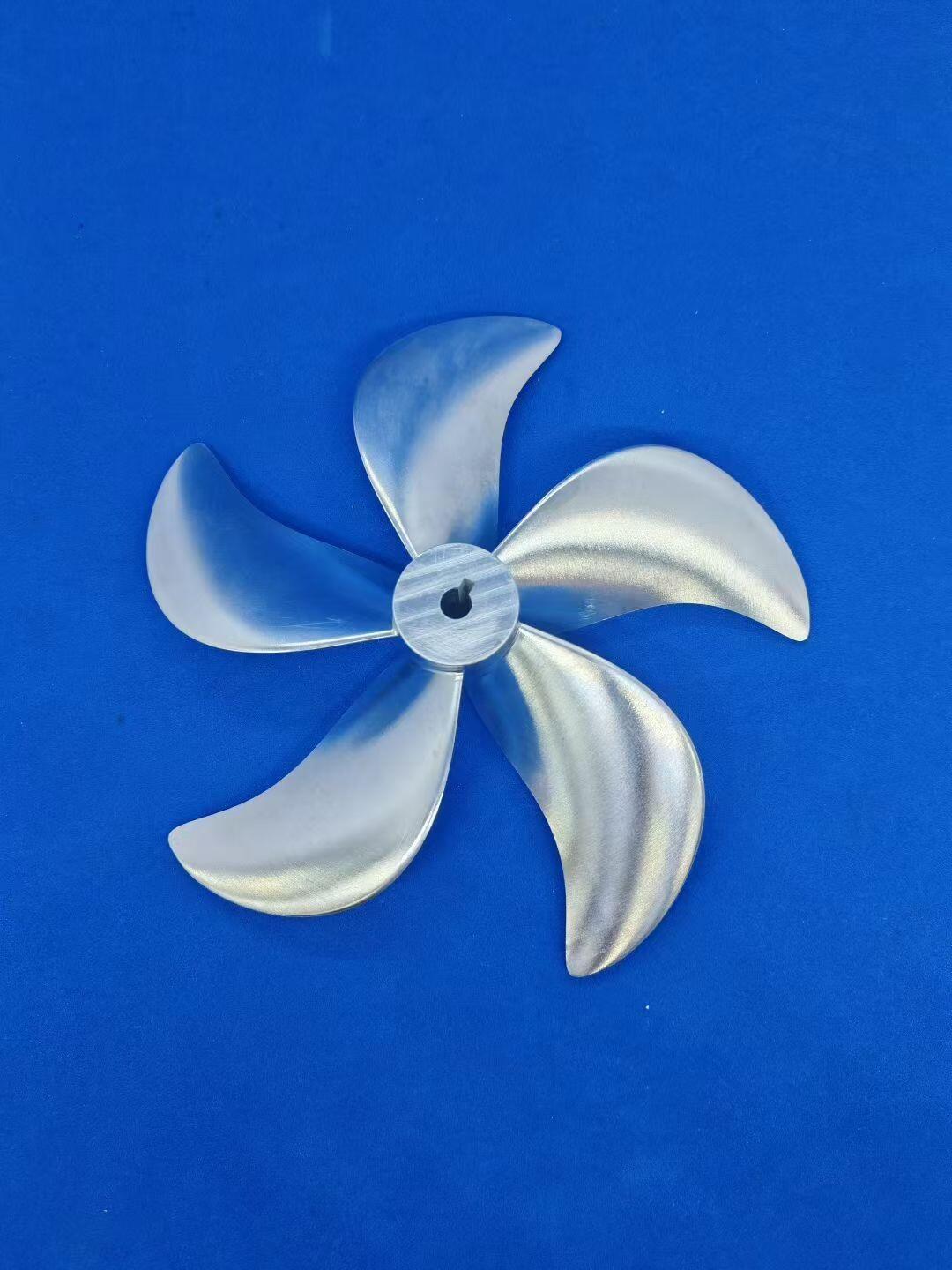
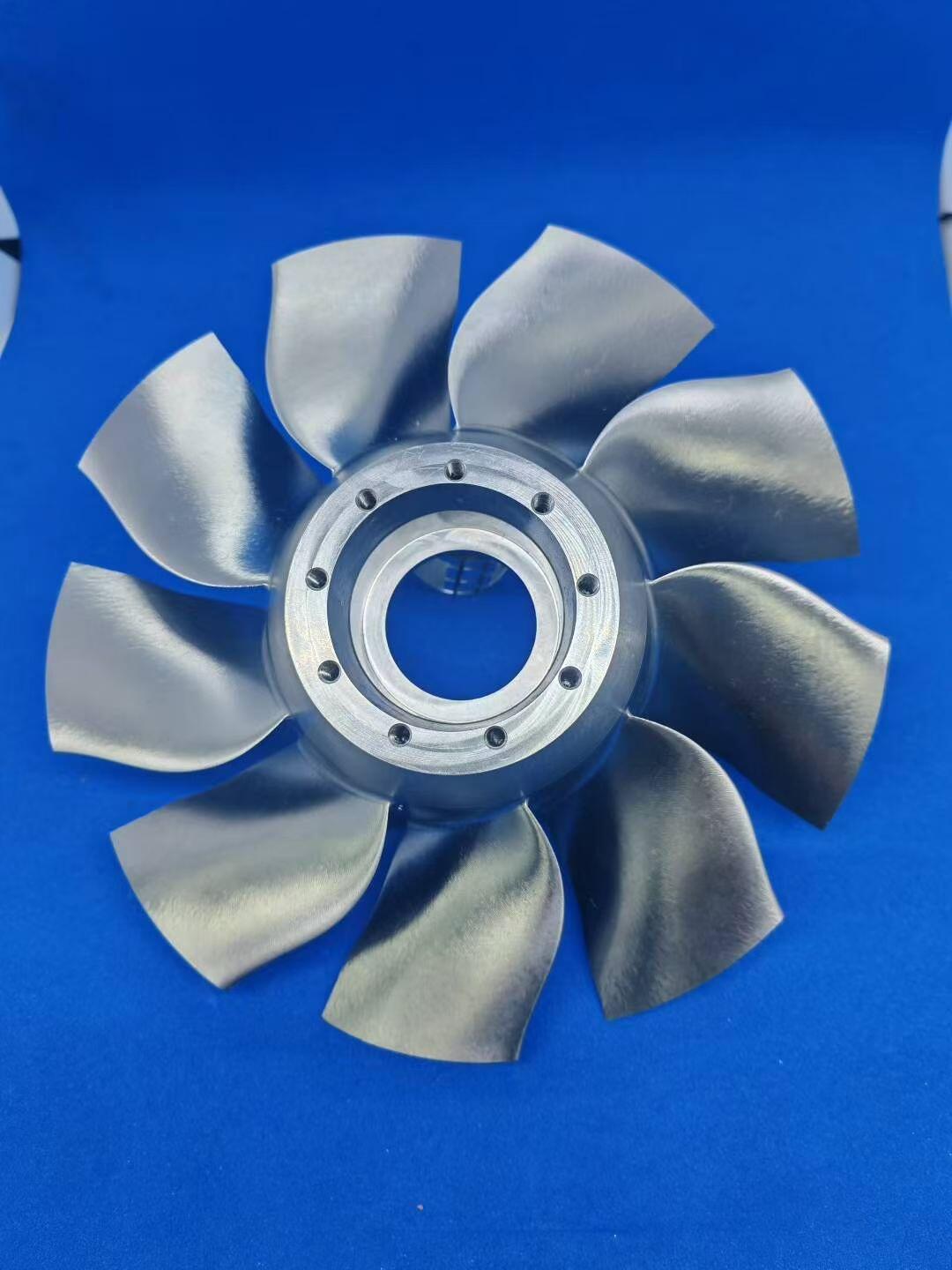
When processing free-form surfaces (such as impellers, molds), the 5-axis linkage enables the side cutting edge of the tool to perform cutting, replacing the point contact in 3-axis processing. As a result, the cutting efficiency and quality are greatly enhanced.
4. Capable of performing "impossible" machining
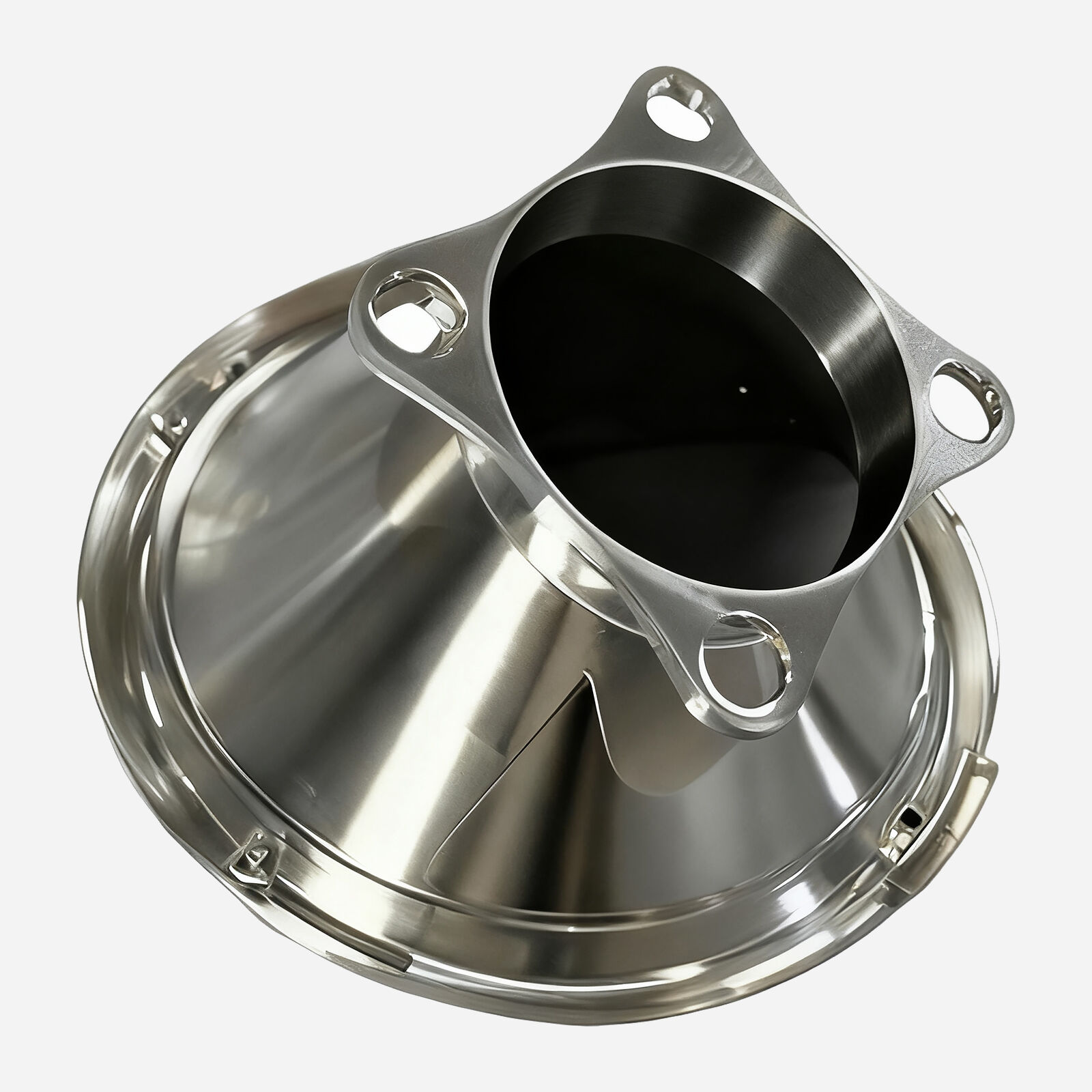
Certain extremely complex geometric shapes, such as complete impellers, engine cylinder heads, and human bone implants, are beyond the capabilities of 3-axis machines and must be processed using 5-axis linkage technology.
III. Analysis of Key Technologies in 5-axis CNC Machining.
1. RTCP / TCP / TCPM (Tool Tip Following Function)
This is the essence of a 5-axis machine tool.
Function: Once this function is enabled, the programmer only needs to focus on the trajectory that the tool tip (the end of the tool) should follow. The CNC system of the machine tool will automatically calculate and compensate for the displacement of the tool tip caused by the movement of the rotating axes, ensuring that the tool tip moves strictly according to the programmed trajectory.
"Fake 5-axis" without RTCP: The programming is extremely complex. Manual calculation of the center offset of the rotating axes is required, and it can only be used for simple angle positioning processing. It cannot perform complex surface linkage.
2. Post-processing
In the CAM software, 5-axis programming generates a "tool path source file" based on the workpiece coordinate system. The role of the post-processor is to convert this general file, taking into account the structure, axis definitions and RTCP algorithm of a specific machine tool, into the G-code that the machine tool can recognize. A precise post-processor is the key to ensuring the success of 5-axis machining.
3. Collision Avoidance
The five-axis motion space is complex, and there is a high possibility of collisions between the tool, tool holder, spindle, workpiece, and fixture. Modern CAM software is equipped with powerful collision detection modules. During the programming stage, it simulates the entire processing process and automatically avoids potential collision risks.
4. Programming Complexity
Programming on 5 axes requires much higher proficiency from engineers than on 3 axes. Engineers not only need to be proficient in CAM software, but also need to have a deep understanding of the machine tool structure, tool performance, and cutting processes, which is a field that integrates multiple disciplines.
IV. Application Areas of 5-axis CNC Machining
• Aerospace: Complex aluminum/titanium alloy parts such as engine blades, vanes, fuselage structural components.
• Automotive manufacturing: Engine cylinder heads, transmission housings, body moldings.
• Medical devices: Artificial joints, bone implants, surgical instruments (with extremely high requirements for biocompatibility and surface smoothness).
• Energy industry: Turbine blades, water turbine rotors, nuclear power components.
• Precision molds: Injection molds, die-cast molds, stamping molds, especially those with deep cavities and countersunk designs.
• Higher education and research: Production of complex models and prototypes.
Summary
Five-axis CNC machining is one of the cornerstone technologies in modern high-end manufacturing. It is not merely a machine with two additional rotating axes; rather, it represents a complete solution encompassing design, programming, process, and execution. Despite facing challenges in terms of cost and technical barriers, its significant advantages in enhancing machining accuracy, forming complex parts, and improving production efficiency make it indispensable in high-value-added industries such as aerospace and precision medicine, and it is gradually penetrating into a wider range of industrial sectors. Mastering five-axis machining technology is the necessary path for enterprises to move towards digital and intelligent manufacturing.
 EN
EN