
Automotive component customization and processing is a highly specialized, technologically intensive and demand-driven field. It covers the entire value chain from prototype development, small-batch trial production to high-performance modifications and classic car restoration.
Core Definition
Automotive component customization processing refers to the process of producing non-standard, small-batch or unique automotive components by using digital design, advanced manufacturing techniques, and rigorous testing, based on the specific requirements of customers (automotive manufacturers, racing teams, modification enthusiasts, or individual car owners)
The key difference between it and large-scale standardized production lies in "customization", emphasizing flexibility, high performance, precise matching and unique design.
Main Application Scenarios
* Functional samples: Used for design verification, assembly testing, aerodynamic testing, etc.
* Tooling fixtures: Specialized tools used for positioning and clamping on the production line.
* Small batch pre-production: Before mold release, vehicle components used for road testing, certification and marketing promotion.
2. High-performance and Racing Field:
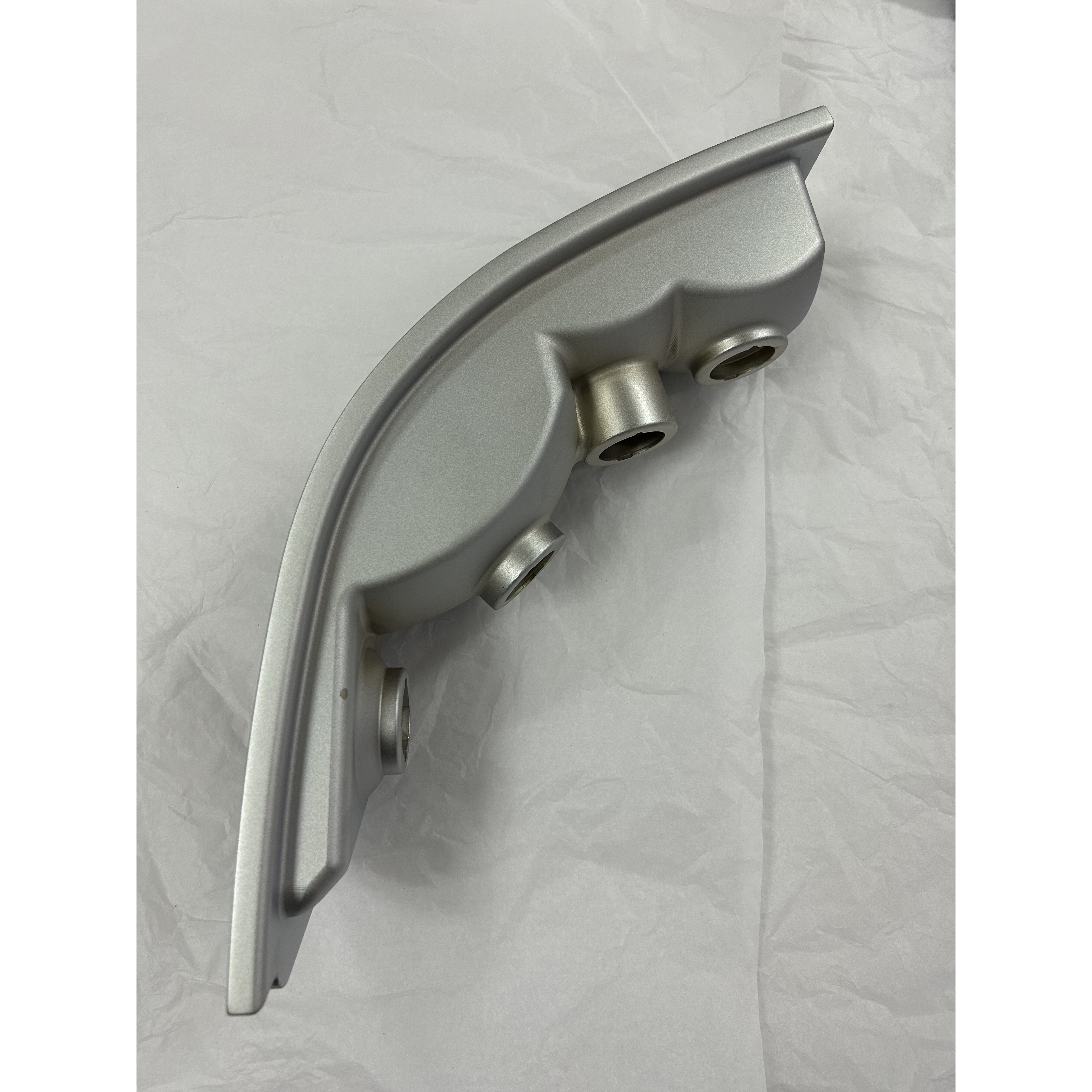
* Lightweight Components: The brake caliper brackets, suspension connecting rods, engine brackets, etc. are manufactured using 7075 aluminum alloy, titanium alloy, carbon fiber composite materials, etc.
* Power System Upgrades: Customized intake manifolds, turbocharging pipelines, intercoolers, camshafts, high-strength bolts, etc.
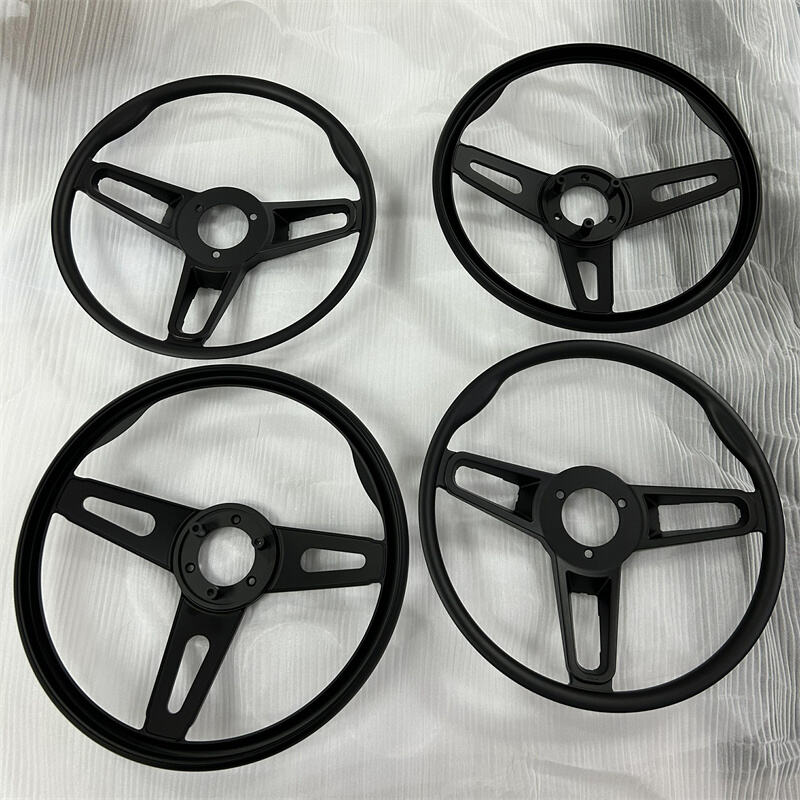
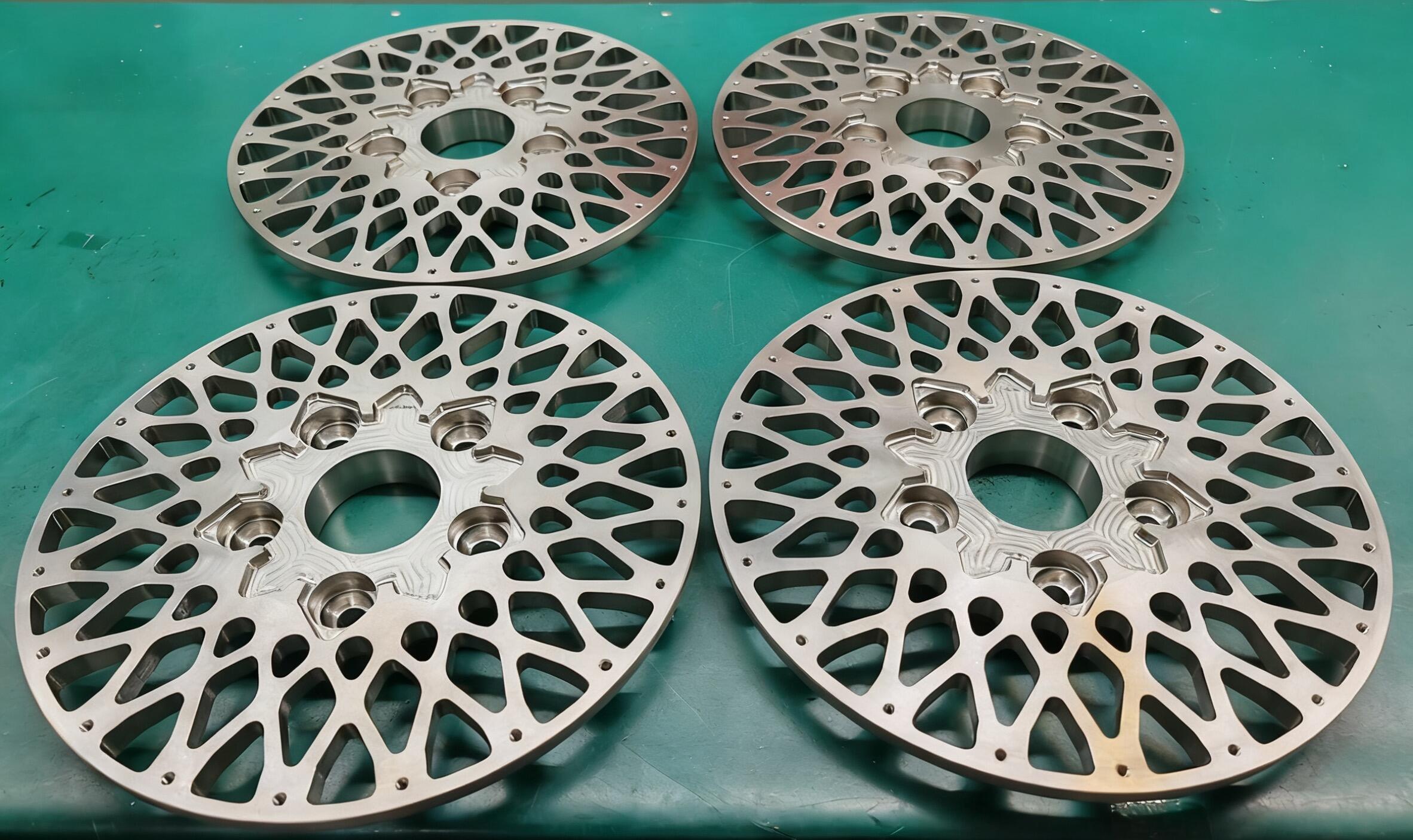
* Chassis and Transmission: Processed slip differential housing, customized wheels, tie rods, steering knuckles, etc.
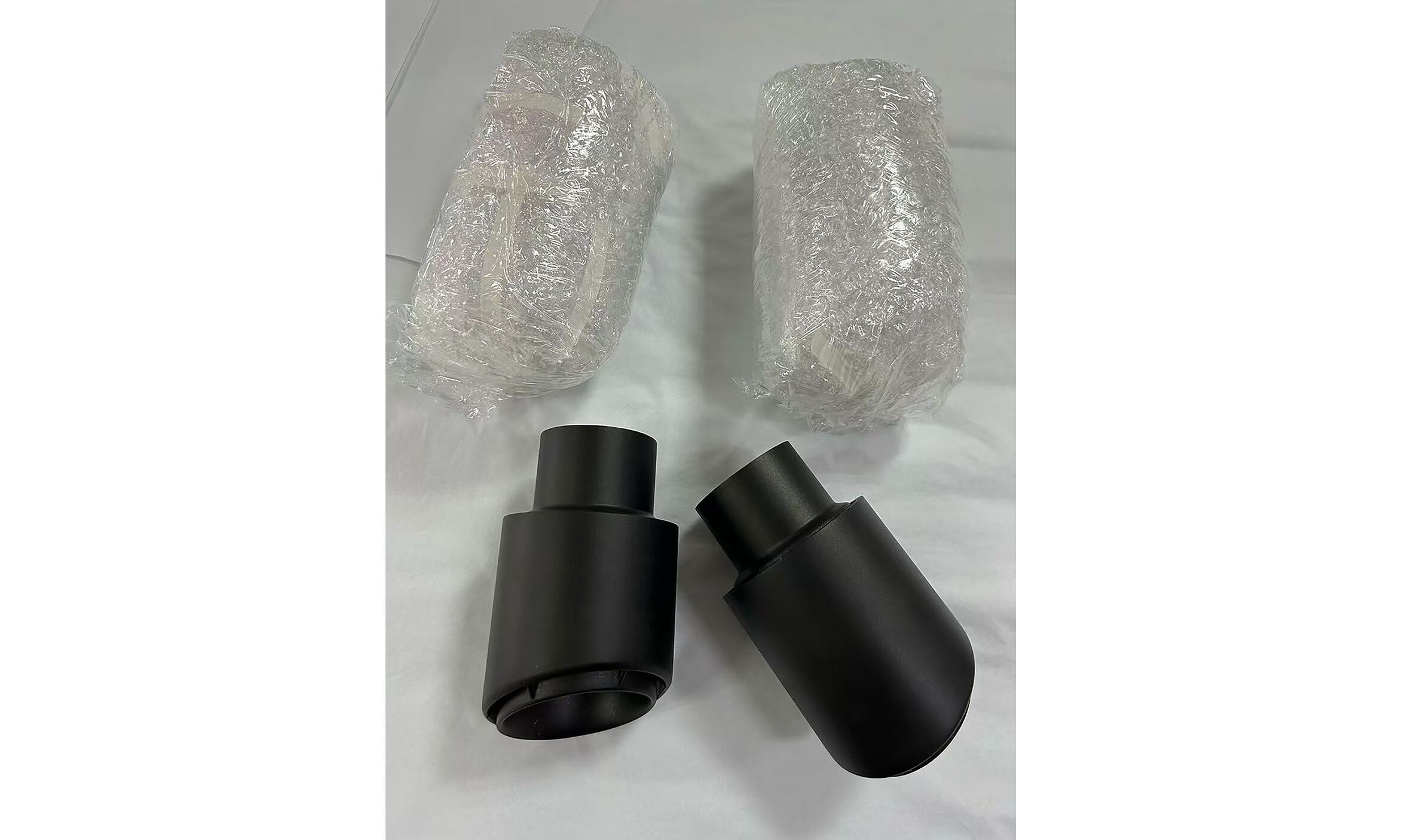
3. Restoration of classic and vintage vehicles:
* Replicating or repairing discontinued parts, such as engine covers, door handles, trim strips, gears, etc.
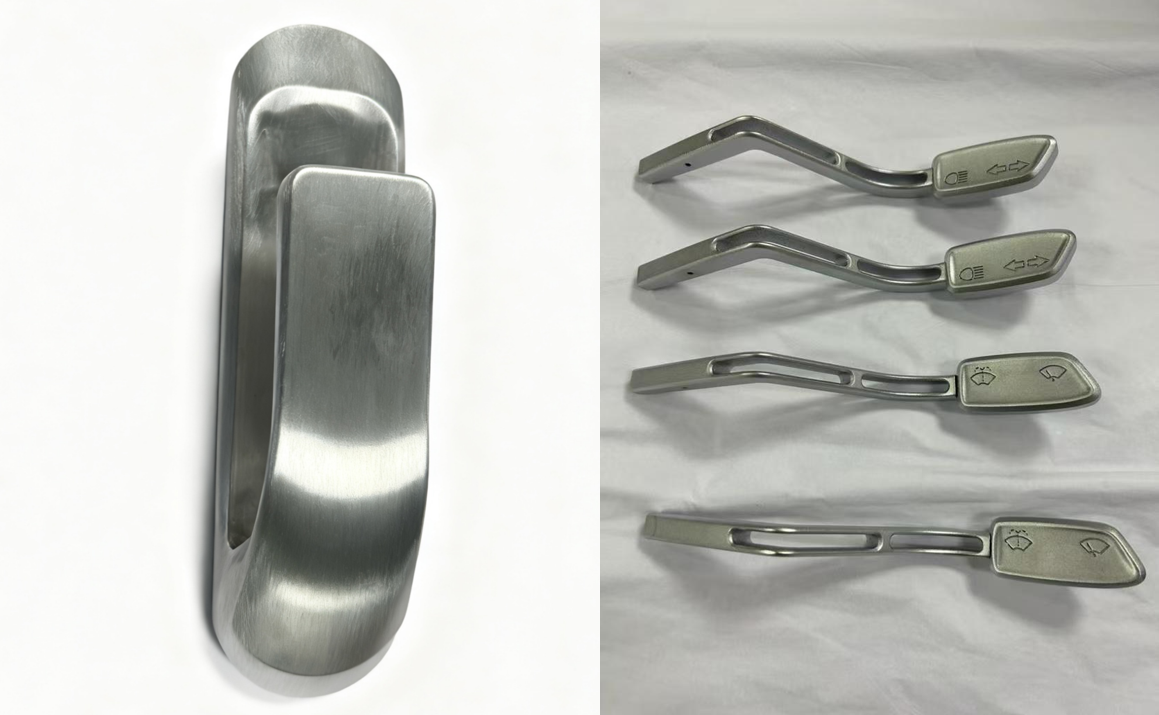
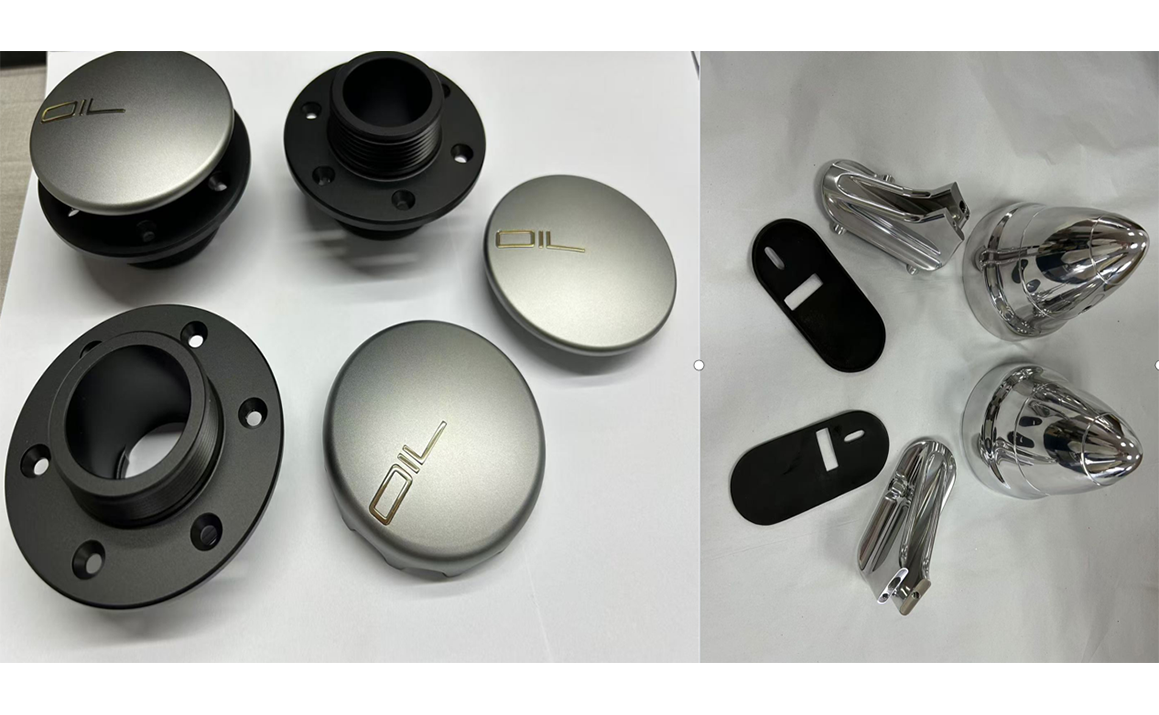
4. Personalized Customization and Upgrades:
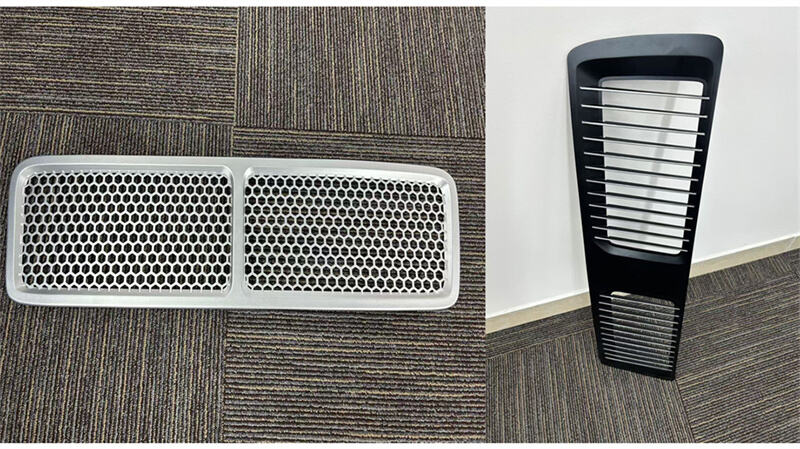
* Exterior Components: Custom grilles, rear wings, widebody kits, decorative plaques.
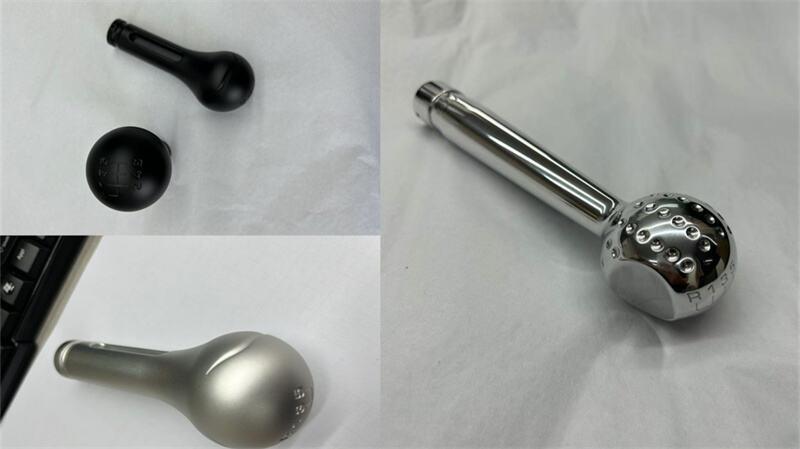
* Functional Interior: Personalized gearshift knobs, pedals, dashboard frames.
* Performance Enhancement: Brake ventilation ducts, oil venting cans, engine reinforcement parts.
Key Processing Technologies and Materials
|
Technical classification |
Specific process |
Applicable scenarios and advantages |
Commonly used materials |
|
Subtractive manufacturing |
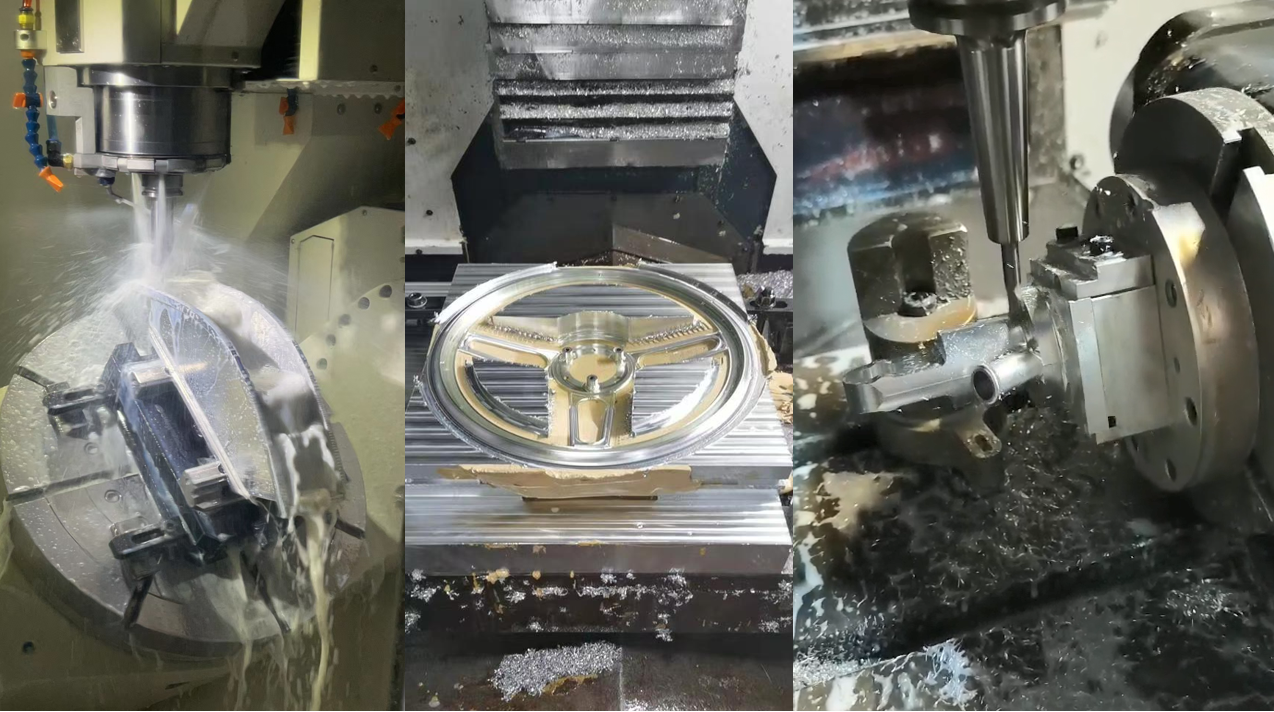
CNC Machining |
High precision (up to ±0.01mm), excellent surface quality, suitable for metal parts with complex structures. Five-axis linkage enables processing of spatial curved surfaces. |
Aluminum(6061, 7075),Stainless steel(304,316), Alloy steel,Titanium,Brass,Engineering plastics(POM, PA) |
|
Subtractive manufacturing |
Precision Milling And Turning |
For shaft, disc and cavity-type parts |
Core Advantages
1. Performance-oriented: Optimal materials and structures can be selected based on specific requirements (such as weight reduction, strength enhancement, heat resistance).
2. Precise matching: Through 3D scanning and other technologies, a perfect fit with the existing vehicle body can be achieved.
3. Rapid response: Digital processes shorten the cycle from design to physical production, accelerating research and iteration.
4. Small-batch economy: Avoiding high mold investment costs, it is suitable for small-scale production.
5. Innovation and uniqueness: Realizing the most advanced ideas of engineers and designers, meeting personalized needs.
Complete Service Process
1. Requirements analysis and conceptual design: Clearly define performance indicators, budget, and appearance requirements.
2. Digital modeling:
* Forward design: Create from scratch using CAD software (such as CATIA, SolidWorks).
* Reverse engineering: Use 3D scanners to obtain data of existing parts or vehicle bodies for replication or modification.
3. Engineering analysis and optimization: Utilize CAE software for strength, stiffness, and Computational Fluid Dynamics (CFD) simulations, and conduct topological optimization for weight reduction.
4. Process planning and programming: Develop machining plans and write CAM machining programs.
5. Production machining: Execute machining on high-precision machines and conduct process inspections.
6. Post-processing and inspection:
*Post-processing: deburring, sandblasting, polishing, anodizing, electroplating, spraying, etc.
*Precision inspection: Use a coordinate measuring machine and a 3D scanner to compare with the original design data to ensure the dimensions are qualified.
7.Assembly and testing: Conduct functional tests (such as durability, leakage tests) on the complete vehicle or test bench.
Challenges and Trends
Challenges:
* Cost Control: High costs associated with raw materials (such as titanium alloys) and investment in advanced equipment.
* Technical Barriers: Requires a team with a combination of automotive engineering knowledge and advanced manufacturing experience.
* Quality Consistency: Ensuring that each item in small batch production meets the same high standards.
Trends:
* Hybrid Manufacturing: Combining 3D printing (for creating complex cores) and CNC machining (to ensure accuracy of critical surfaces).
* Digital Twin: Simulating and optimizing the entire manufacturing and performance process in the virtual world.
* Online Collaboration Platform: Customers can remotely participate in design reviews and progress tracking.
* Sustainability: Utilizing more recycled materials and optimizing processes to reduce waste.
Summary
Customized processing of automotive components is a crucial underlying force driving innovation, performance enhancement, and personalized development in the automotive industry. It is not merely "manufacturing", but rather a solution that integrates design, engineering, materials, and precision manufacturing. Whether it is to gain a millisecond advantage in top racing cars or to breathe new life into classic vehicles, customized processing plays an indispensable role.
 EN
EN